
Imagine a moment when the power flickers and goes out while you or a loved one is in the ICU. It’s a scenario no one wants to face, but it’s crucial to think about.
Hospitals rely heavily on consistent power to keep life-saving equipment running smoothly. You might be wondering if a large gas generator can shoulder this critical responsibility. Is it up to the task of powering an ICU? This question isn’t just about technical specs; it’s about trust, safety, and peace of mind.
Discover what you need to know to ensure the safety and reliability of the power sources in your healthcare environment. Dive deeper to find out if a large gas generator can truly be your ICU’s lifeline when it matters most.
Role Of Power In Hospital Icus
Hospital ICUs rely on constant powerfor life-saving devices. Machines like ventilators, monitors, and infusion pumps need steady electricity. Even a brief power loss can be dangerous.
Power outages can cause equipment failureand threaten patient safety. Backup power sources, such as large gas generators, are essential to keep ICUs running smoothly.
These generators must deliver clean and reliable powerto support all critical devices. They also need to start quickly during an outage to avoid interruptions.
| Critical Equipment | Power Needs | Impact of Outage |
|---|---|---|
| Ventilators | Continuous, stable power | Breathing support stops |
| Heart monitors | Uninterrupted power supply | Vital signs not tracked |
| Infusion pumps | Constant electricity | Medication delivery halts |
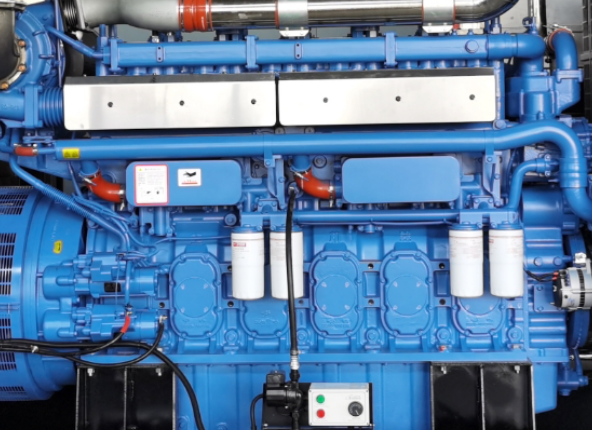
Credit: www.cqstart.com
Capabilities Of Large Gas Generators
Large gas generatorsprovide steady and high power output. They can produce enough energy to support critical hospital equipment like ICU machines. Efficiency varies by model but is generally high for modern units, ensuring less fuel waste and more reliable service.
Common fuel typesinclude natural gas, propane, and diesel. Natural gas is often preferred for its clean burn and availability in many areas. Fuel availability is crucial for continuous operation, especially in emergencies.
These generators have a long operational lifespan, often running thousands of hours before major maintenance. Regular maintenanceincludes oil changes, filter replacements, and system checks to keep performance steady and avoid failures during critical times.
Reliability Factors For Icu Power
Backup poweris essential for hospital ICUs to keep life-saving machines running. Large gas generators must start quicklyand provide stable powerwithout interruption.
Automatic transfer switcheshelp switch power from the main source to the generator smoothly. This switch reduces the delayin power supply, ensuring critical devices never lose power.
Redundancy systemsadd extra layers of safety. Hospitals often use multiple generatorsor batteriesto back up the main generator. This ensures power even if one system fails.
| Factor | Importance | Details |
|---|---|---|
| Backup Power | Critical | Keep ICU machines running during outages |
| Automatic Transfer Switch | High | Switches power without delay |
| Redundancy Systems | Very High | Multiple generators/batteries ensure no power loss |
Comparing Gas Generators With Alternatives
Diesel generatorsare common backup power sources for hospital ICUs. They provide stable and reliable powerbut can be noisy and emit harmful gases. Maintenance is needed to keep them running well. Fuel storage is also a concern during long outages.
Battery storage systemsoffer a quiet and cleanalternative. They store electricity and supply power instantly. The main limit is the short runtime, which may not cover long blackouts. Batteries need charging and replacement over time.
Renewable energy options, like solar panels, help hospitals reduce fuel use. They are clean and sustainablebut depend on weather conditions. Combining renewables with batteries or generators can improve power security.
Safety And Compliance Standards
Hospitals must follow strict regulationsto keep their power systems safe. Generators need to meet national safety codesand get regular checks. This ensures reliable powerfor critical equipment in the ICU.
Noise from large gas generators can disturb patients. So, hospitals use soundproof enclosuresor install generators far from patient areas. Emission rules limit harmful gases. Filters and proper fuel use help meet these standards.
| Aspect | Requirement |
|---|---|
| Safety Codes | Compliance with NFPA and local laws |
| Noise Levels | Soundproofing and distance from ICU |
| Emissions | Use of low-emission fuels and filters |
| Maintenance | Regular inspections and testing |

Credit: lj-machine.com
Case Studies Of Gas Generators In Hospitals
Many hospitals use large gas generatorsto power their ICUs during outages. These generators provide a stable and strong power supplythat keeps life-saving machines running. Hospitals in different countries have reported success in using gas generators for long hours without failure.
Generators must have enough capacityto support all ICU equipment, including ventilators and monitors. Proper maintenance and testingensure the generator works when needed. Some hospitals install automatic systems to switch power quickly.
| Challenge | Details |
|---|---|
| Fuel Supply | Ensuring enough gas is available during long outages. |
| Noise | Generators can be loud, which may disturb patients. |
| Space | Large generators need enough room for installation. |
| Regular Checks | Without frequent tests, generators may fail unexpectedly. |
Future Trends In Hospital Power Solutions
Hospitals need a reliable power supply for their ICU units. Smart grid integrationhelps by connecting hospitals to a more flexible and stable power network. This system can quickly respond to power needs and reduce outages. It uses real-time datato manage energy better and keep vital machines running without interruption.
Hybrid power systemscombine different energy sources like gas generators, solar panels, and batteries. This mix ensures power is always available, even if one source fails. It also helps reduce fuel use and pollution. Such systems can automatically switch between power sources to keep the ICU safe and operational.

Credit: www.cqstart.com
Frequently Asked Questions
Can A Large Gas Generator Power A Hospital Icu?
Yes, a large gas generator can power a hospital ICU. It supplies reliable, continuous electricity during outages. Proper capacity and maintenance are essential to support critical ICU equipment without interruption.
How Long Can A Gas Generator Run An Icu?
A gas generator can run an ICU as long as it has sufficient fuel. Typically, it can operate for several hours or days with proper fuel supply and regular maintenance.
What Are The Benefits Of Using Gas Generators In Hospitals?
Gas generators provide reliable backup power during outages. They ensure ICU equipment functions without disruption, safeguarding patient care. Gas generators are cost-effective and easier to maintain compared to other power sources.
Are Gas Generators Safe For Sensitive Icu Equipment?
Yes, with proper installation and voltage regulation, gas generators are safe for ICU equipment. They must be maintained to prevent power surges that could damage sensitive devices.
Conclusion
A large gas generator can provide reliable power to a hospital ICU. It keeps critical machines running during outages. Proper maintenance and fuel supply are essential for smooth operation. Hospitals must choose generators that meet their power needs exactly. Safety checks ensure the equipment works when needed most.
Backup power saves lives in emergencies. Trusting a strong power source brings peace of mind. This makes large gas generators a smart choice for hospital ICUs.