Imagine setting sail on a vast ocean with the confidence that your boat’s power needs are fully covered. Can marine diesel generators really power your entire boat?
This is a question that sparks curiosity and concern alike. Whether you are a seasoned sailor or planning your first maritime adventure, understanding the capabilities of marine diesel generators is crucial. You may wonder if they can handle the demands of your onboard systems, from lighting to navigation, and more.
Dive into this article to uncover the truth about marine diesel generators and how they can transform your boating experience. Discover why they might just be the reliable powerhouse you’ve been seeking for your vessel.
Marine Diesel Generators Basics
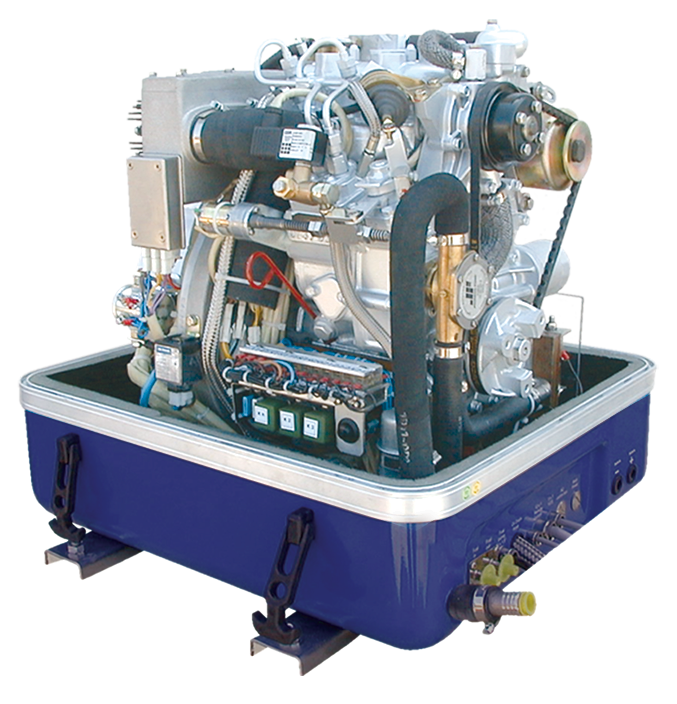
A marine diesel generatorworks by burning diesel fuel to create mechanical energy. This energy turns a generator that makes electricity for the boat. Diesel engines are strong and last long, making them good for boats.
There are different types of marine diesel generators:
- Portableunits for small boats.
- Built-ingenerators for larger vessels.
- Hybridsystems that mix diesel with other power sources.
Key parts of a marine diesel generator include:
| Component | Function |
|---|---|
| Diesel Engine | Creates mechanical energy by burning fuel. |
| Alternator | Converts mechanical energy into electricity. |
| Fuel System | Supplies diesel fuel to the engine. |
| Cooling System | Keeps the engine from overheating. |
| Control Panel | Monitors and controls the generator’s operation. |
Power Needs Of A Boat
Estimating the total power requirements involves adding up all electrical needs on the boat. This includes lighting, navigation, communication, and appliances. Each device’s power use is measured in watts. Summing these values gives the total wattage needed.
Essential systems must always have power. These include navigation lights, bilge pumps, and communication radios. Optional systems like air conditioning or entertainment can be powered when extra capacity is available.
| System Type | Examples | Power Demand |
|---|---|---|
| Essential | Navigation lights, bilge pumps, radios | Continuous low to medium |
| Optional | Air conditioning, water heaters, TVs | Intermittent high |
Peak power demand is the highest power level used at one time. This happens when multiple devices run together. Knowing peak demand helps choose the right generator size.
Generator Capacity And Sizing
Choosing the right generator sizedepends on the total power needed. Add the wattage of all devices on the boat. This includes lights, appliances, navigation tools, and engines. The generator must supply enough power for all loads combined.
Match the generator capacity to the expected load. A generator too small will fail during use. Too large wastes fuel and space. Aim for a balance that covers peak power needs.
Include a safety marginof about 20-30%. This helps handle sudden power surges without damage. It also extends the generator’s life by avoiding overload. Overload protection features add extra security during unexpected spikes.
Integration With Boat Systems
Marine diesel generatorsconnect to a boat’s main electrical system. They supply power to all onboard devices through a well-planned electrical distribution setup. This setup includes circuit breakers and switches for safety and control. Power flows from the generator to a distribution panelthat sends electricity where needed.
Battery chargingis a key part of the system. The generator charges batteries while running. These batteries store power for times when the generator is off or cannot meet the load alone. Good battery storageensures smooth power supply and protects sensitive electronics.
Backup and redundancyimprove reliability. Boats often have a second generator or alternative power sources. This backup starts automatically if the main generator fails. Redundancy keeps essential systems running and prevents power loss during long trips.
Fuel Efficiency And Runtime
Fuel consumption ratesvary based on the generator size and load. Smaller generators use less fuel but may not power the entire boat. Larger models consume more fuel but can run more equipment. Fuel efficiency depends on maintaining the right balance.
Optimizing runtimemeans running the generator at a steady load. Avoid frequent starts and stops. Running at low power wastes fuel and may damage the engine. Regular maintenance also helps keep runtime efficient.
Impact of load variationsis significant. Sudden changes in power needs cause the generator to work harder. This increases fuel use and wear. Keeping load stable or using multiple generators can reduce fuel consumption and improve performance.

Credit: www.morganscloud.com
Maintenance And Reliability
Routine maintenanceis vital for marine diesel generators. Check oil levels regularly and replace oil after recommended hours. Inspect and clean fuel filters to avoid clogs. Coolant levels must be monitored to prevent overheating. Battery terminals should be clean and tight for good power flow.
Common issuesinclude fuel contamination, overheating, and starting problems. Dirt in fuel can cause engine failure. Overheating may happen if coolant is low or fans fail. Starting troubles often come from weak batteries or faulty wiring. Troubleshooting requires systematic checks of each part.
Extending the generator’s lifespan depends on good care. Use high-quality fuel and oil. Store the generator in dry places when not in use. Run the generator regularly, even if not needed, to keep parts lubricated. Schedule professional service yearly for deep checks and repairs.
Safety Considerations
Proper ventilationis critical for marine diesel generators. It helps remove harmful fumes and keeps the engine cool. Exhaust systems must be sealed well to avoid carbon monoxide leaks, which can be deadly inside a boat.
Fire prevention requires keeping the generator area clean and free of flammable materials. Regular checks for fuel leaks and worn wiring reduce fire risks. Having a fire extinguishernearby is essential for quick response.
Emergency shutdown procedures must be clear and easy to use. Crew members should know how to stop the generator quickly during overheating, smoke, or fuel leaks. Testing these procedures regularly ensures safety.
Environmental Impact
Marine diesel generators can produce power for an entire boat but may impact the environment. They emit pollutants and consume fossil fuels, affecting air and water quality. Choosing efficient models and proper maintenance helps reduce their environmental footprint.
Emissions And Regulations
Marine diesel generators produce exhaust gasesthat can harm the environment. Laws limit the amount of pollutionthese engines can release. Boats must follow rules to reduce carbon dioxideand nitrogen oxides. Using cleaner fuelshelps lower harmful emissions. Regular maintenance keeps engines running efficiently and cleaner.
Noise Control
Diesel generators can be loudand disturb marine life and people. Soundproofing and insulationreduce noise levels. Placing generators in special compartments helps control sound. Quieter engines protect animals and improve life on board.
Eco-friendly Practices
- Choose low-sulfur dieselto cut pollution.
- Use energy-savingdevices to reduce fuel use.
- Install exhaust filtersto trap harmful particles.
- Practice regular engine checksto keep efficiency high.
- Consider hybrid systemsto mix diesel with cleaner power sources.
Alternative Power Options
Hybrid systemscombine diesel generators with electric motors and batteries. They reduce fuel use and lower noise. These systems can switch between power sources to save energy. They offer flexibilityand better fuel efficiencyfor boats.
Solar and wind integrationuses natural power to help run the boat. Solar panels charge batteries during the day. Wind turbines generate power when the boat is moving or parked. This reduces dependence on diesel fueland helps the environment.
- Battery-only solutionsuse large battery banks to store energy.
- Batteries power electric motors without noise or fumes.
- They need charging from shore power or renewable sources.
- Best for short trips or small boats.

Credit: m.industrialgeneratorset.com
Real-world Examples
Small boats often use diesel generators for power needs. These generators supply energy for lights, small appliances, and navigation systems. They are compact and efficient enough to fit on most small vessels.
Large vessels need more power to run engines, electronics, and living spaces. Diesel generators on these boats are bigger and stronger. They can provide full power for the entire ship.
| Boat Type | Power Needs | Generator Role |
|---|---|---|
| Small Boats | Low to medium | Primary power source for basics |
| Large Vessels | High | Full power supply for all systems |
Marine operators often balance fuel use and power output carefully. They select generator size based on boat size and power needs. Proper maintenance keeps generators reliable during trips.

Credit: www.morganscloud.com
Frequently Asked Questions
Can Marine Diesel Generators Power A Whole Boat?
Yes, marine diesel generators can power an entire boat. They provide reliable, continuous electricity for onboard systems and appliances. Their capacity depends on the boat’s size and power needs. Properly sized generators ensure efficient energy supply without overloading or fuel wastage.
How Efficient Are Marine Diesel Generators On Boats?
Marine diesel generators are highly efficient, converting fuel into energy with minimal waste. They offer better fuel economy than gasoline engines. Maintenance and load management improve efficiency further. This makes them ideal for long voyages and consistent power supply on boats.
What Size Marine Diesel Generator Do I Need?
The size depends on your boat’s total electrical load. Calculate total wattage of all devices and add 20-30% for safety. A generator too small won’t meet needs, while too large wastes fuel. Consult professionals for accurate sizing and optimal performance.
Are Marine Diesel Generators Noisy During Operation?
Marine diesel generators produce moderate noise, often quieter than gasoline models. Soundproof enclosures and proper installation reduce noise levels significantly. Noise varies by model and load. Choosing quieter units improves onboard comfort during generator use.
Conclusion
Marine diesel generators can supply enough power for most boats. They run efficiently and handle heavy loads well. Maintenance is key to keep them working smoothly. Choosing the right size matters to meet all energy needs. Diesel generators also provide reliable backup power during emergencies.
Many boat owners trust them for long trips at sea. Safe use and proper care extend their life. So, marine diesel generators remain a strong choice for boat power. Simple, steady, and dependable energy on the water.