
Ever found yourself on a boat, craving the cool breeze of an air conditioner as the sun blazes down? You might be wondering if your marine diesel generator can power that AC unit to keep you comfortable during your nautical adventures.
This isn’t just a technical question; it’s about enhancing your experience on the water. Imagine setting sail without worrying about sweltering heat. Curious to know if your generator has what it takes? You’re about to discover insights that could transform your marine escapades.
Let’s dive into the possibilities and find out if your diesel generator can indeed keep your boat cool and your spirits high.
Marine Diesel Generators Basics
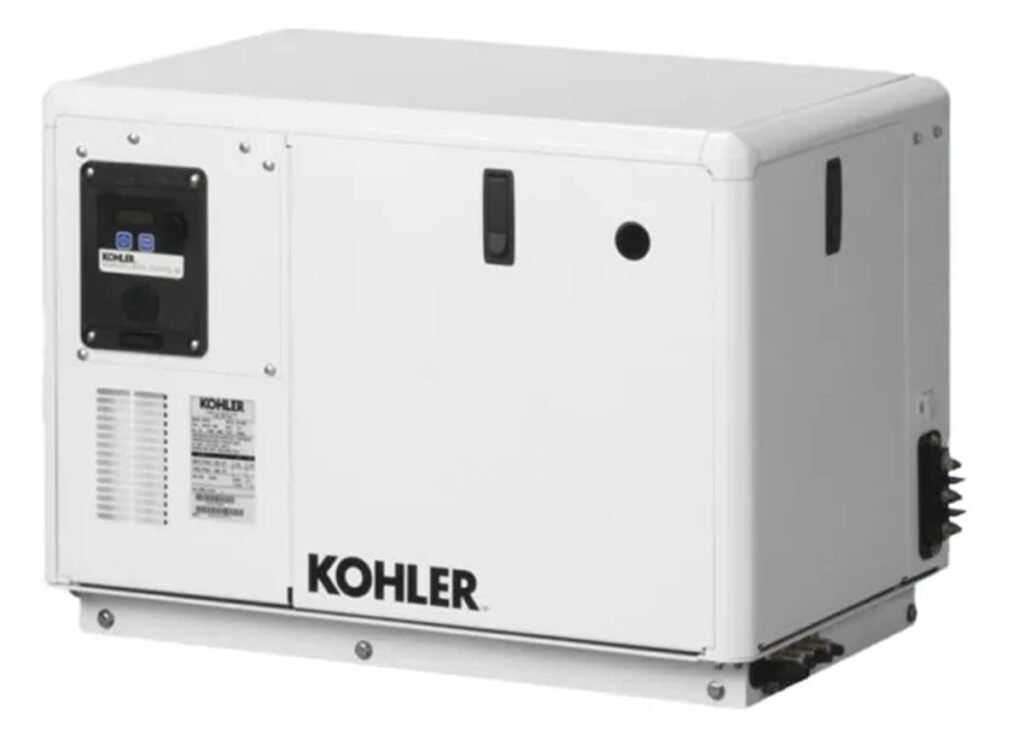
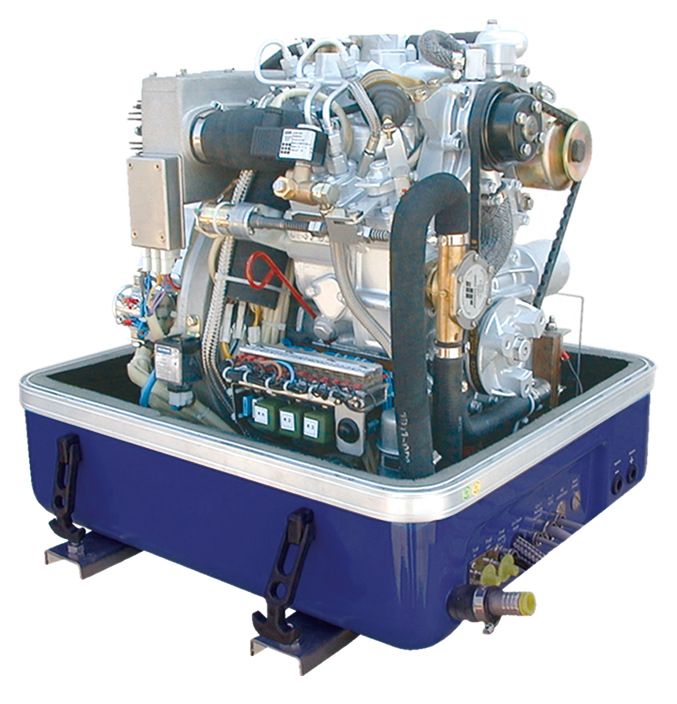
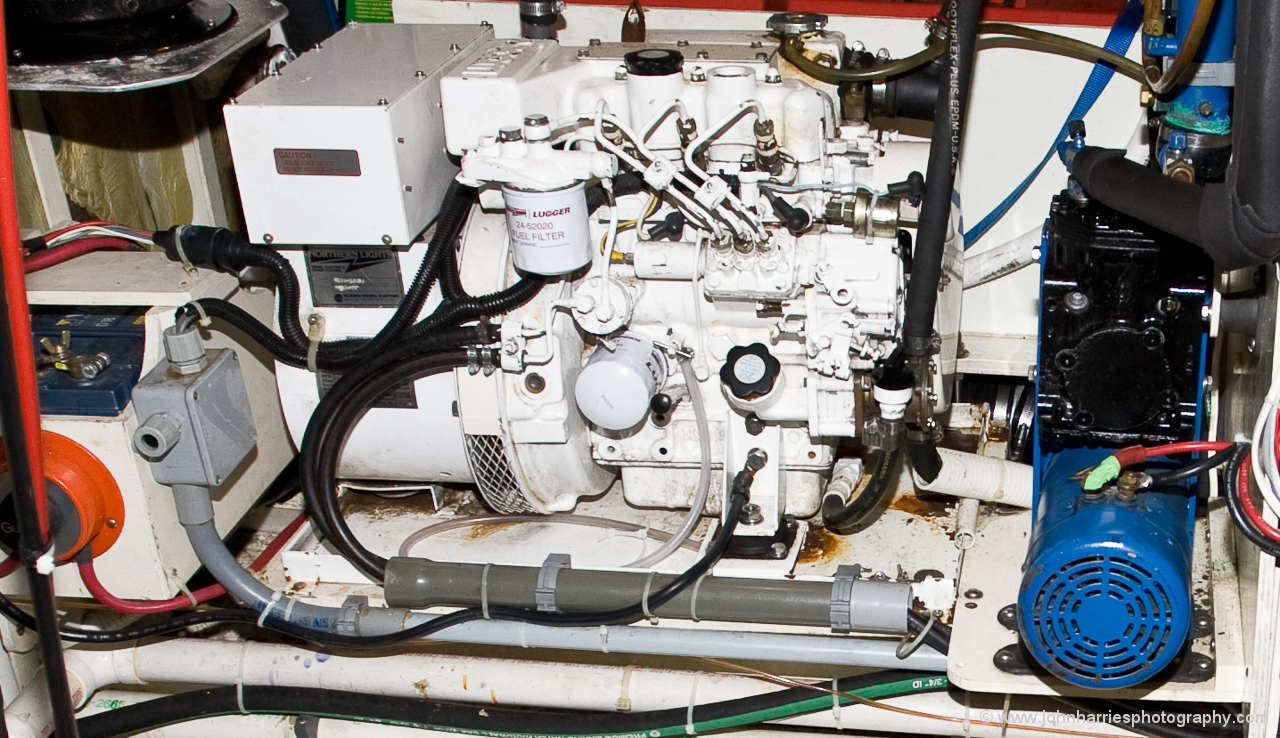
Marine diesel generators use diesel fuel to make electricity. They have an engine that burns the fuel and a generator that creates power. This power runs many devices on a boat, including lights and small machines.
The engine turns a rotor inside the generator. This rotor spins inside a magnetic field. The spinning creates electric current. This current then powers your boat’s electrical systems. Diesel generators are strong and last long.
| Model | Power Output (kW) | Typical Use |
|---|---|---|
| MarineGen 100 | 10 | Small boats |
| SeaPower 250 | 25 | Medium vessels |
| OceanDrive 500 | 50 | Large yachts |
Credit: bestgenerators.org
Ac Units On Boats
Boats use special air conditioning systems designed for marine life. These marine AC systemshandle salt water, humidity, and movement well. Common types include:
- Self-contained units that are compact and easy to install
- Split systems with separate compressor and evaporator parts
- Water-cooled systems that use seawater to cool the air
Marine AC units need a steady and strong power source. Power requirementsdepend on unit size and boat type. Usually, marine diesel generators provide the right power. They run quietly and efficientlyto keep the AC working well. Checking the generator’s output is key to avoid power issues.
Compatibility Factors
Marine diesel generatorscan run AC units if their capacitymatches the load. AC units need a lot of power at startup. This is called surge power. The generator must handle this surge without tripping.
The running poweris usually lower than the surge. The generator should provide steady power for the AC to work well.
| Factor | Explanation |
|---|---|
| Generator Capacity | Must be higher than total AC starting and running power |
| Starting Surge | High initial power demand when AC starts |
| Running Power | Lower continuous power needed to keep AC running |
| Voltage | Needs to match AC unit’s voltage rating |
| Frequency | Should be stable and suitable for AC unit (usually 50 or 60 Hz) |
Voltage and frequency must be steady. Fluctuations can damage the AC unit or reduce its life. Marine diesel generators with stable output work best for AC units.
Credit: www.morganscloud.com
Installation Tips
Proper wiringensures safe and efficient power flow. Use marine-grade cablesto resist corrosion. Connect wires tightly to avoid sparks and power loss. Check connections regularly for any signs of wear or damage.
Good cooling and ventilationkeep the diesel generator running well. Place the unit where air can flow freely. Avoid tight spaces that trap heat. Use fans or vents to help move hot air out.
| Safety Measure | Why It Matters |
|---|---|
| Grounding | Prevents electric shocks and fires |
| Regular Inspections | Finds problems before they get worse |
| Use of Circuit Breakers | Protects equipment from overload |
Common Challenges
Marine diesel generators can face overloading riskswhen running AC units. Air conditioners need a lot of power, which may exceed the generator’s capacity. This can cause the generator to shut down or get damaged.
Noise and vibration issuesare common with marine diesel generators. These generators create sound and shaking that can disturb people on board. Extra insulation or mounts may be needed to reduce noise and vibration.
Fuel efficiency concernsarise because AC units demand high power. Running them on a marine diesel generator may use more fuel than usual. This leads to higher costs and more frequent refueling stops.
Maintenance For Reliability
Regular generator checkskeep the system running smoothly. Check oil and coolant levels often. Inspect filters and belts for wear and tear. Clean the generator to avoid dust buildup. Test the generator under load to ensure it powers the AC unit well.
AC units need clean filtersand clear vents for good airflow. Check refrigerant levels to avoid cooling problems. Clean the condenser coils to help the unit run efficiently. Make sure the thermostat is working right and set properly.
Power problems can be tricky. Look for loose wires or blown fuses. Listen for strange sounds from the generator or AC unit. Check if the generator switches on and off at the right times. Keep a log of any issues to help with future repairs.
Energy Efficiency Strategies
Optimizing generator load means running it near its best capacity. Running a marine diesel generator at very low load wastes fuel and reduces life. Try to match the AC unit’s power needs with the generator’s output. This keeps fuel use low and saves money.
Using energy-saving AC models helps reduce the power needed. Look for AC units with good energy efficiency ratings. These models use less fuel and run cooler, which is better for small generators on boats.
Alternative power sources can ease the load on your diesel generator. Solar panels or wind turbines can help power AC units during the day. This lowers fuel use and keeps the generator from working too hard.
Credit: www.morganscloud.com
Real-world Examples
Marine diesel generators can run AC units on boats and yachts. Many users report smooth operation with proper setup. The key is matching the generator’s power output to the AC unit’s needs.
User experiences show that a generator with at least 5 kW is often enough for small AC systems. Larger boats need more powerful generators. Running AC units at peak load may cause the generator to stall if it is too small.
- Use a generator with enough wattage for your AC unit
- Check the starting surge power required by the AC
- Keep the generator well-maintained for steady power output
- Consider a soft starter to reduce the initial power spike
- Monitor fuel consumption as AC units increase usage
| Boat Size | Generator Power Needed | AC Unit Type | Notes |
|---|---|---|---|
| Small (under 30 ft) | 5-7 kW | Window or portable AC | Good for short trips, light use |
| Medium (30-50 ft) | 8-12 kW | Split or central AC | Can run multiple units |
| Large (over 50 ft) | 15 kW or more | Central AC systems | Requires heavy-duty generator |
Frequently Asked Questions
Can Marine Diesel Generators Power Ac Units Efficiently?
Yes, marine diesel generators can efficiently power AC units. They provide stable and continuous electricity, suitable for air conditioning systems on boats and ships.
What Size Marine Generator Is Needed For Ac Units?
The generator size depends on the AC unit’s power consumption. Typically, a generator with higher wattage than the AC’s starting load is necessary for smooth operation.
Are Marine Diesel Generators Fuel-efficient For Running Acs?
Marine diesel generators are generally fuel-efficient and reliable. They consume less fuel under moderate loads, making them cost-effective for running AC units on marine vessels.
Can Marine Diesel Generators Handle Multiple Ac Units Simultaneously?
Yes, but the generator must have sufficient capacity. Calculate the total wattage of all AC units to ensure the generator can handle the combined load.
Conclusion
Marine diesel generators can power AC units effectively and reliably. They provide steady electricity, even during long trips at sea. Choosing the right generator size is key for smooth operation. Proper maintenance helps avoid breakdowns and keeps the system running well.
Knowing your power needs ensures the generator handles the load safely. Overall, marine diesel generators offer a practical solution for running AC units on boats. Simple steps can make your journey more comfortable and cool.