Imagine being able to power your essential medical devices anytime, anywhere. Portable battery stations promise just that.
But can they truly deliver on this promise? If you or a loved one rely on medical devices daily, the idea of a reliable, mobile power source could change everything. You might find yourself wondering about the potential risks and benefits.
Will these battery stations provide sufficient power? Are they safe for sensitive equipment? And how do they compare to traditional power sources? By the end of this article, you’ll have a clearer understanding of whether portable battery stations are the right solution for your medical needs. Prepare to uncover the truth behind their capabilities and how they can affect your life and well-being.

Credit: www.eblofficial.com
Portable Battery Stations Overview
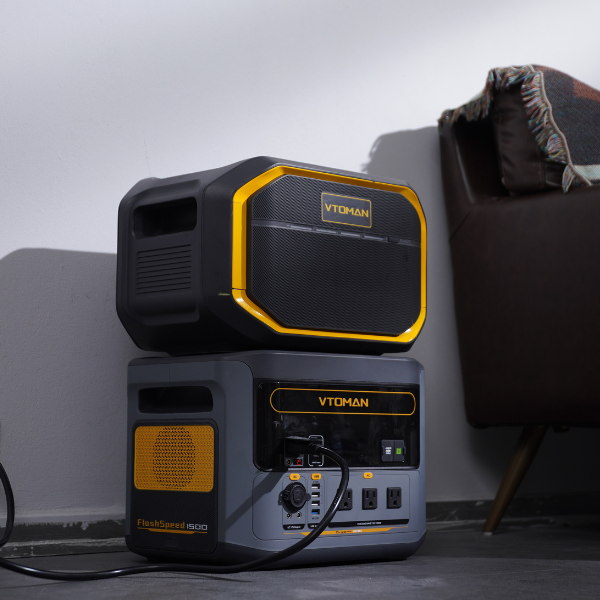
Portable battery stations are handy power sources. They come in different types. Some are small and light. Others are big and powerful. Many have special features. Some can charge multiple devices. Some are waterproof. Some have solar panels. These features make them versatile.
Types And Features
- Small and lightweight models
- Large and powerful units
- Multiple charging outlets
- Waterproof designs
- Solar panel options
Common Uses
People use portable battery stations for camping. They are useful during power outages. They help in emergencies. Some use them for outdoor events. Others use them to charge phones and laptops. They can even run small medical devices. These uses make them valuable.
Credit: www.techradar.com
Medical Device Power Requirements
Many medical devices need power to work. Oxygen concentrators and CPAP machines are common. These devices are important for health. Portable battery stations can help when power is out. They provide energy for these devices.
Understanding power use is crucial. Devices need different amounts of power. Some need less, like hearing aids. Others need more, like dialysis machines. Knowing the power each device needs is vital. This ensures the battery station can support it. Always check the power rating before use.
Safety Considerations
Medical devices need specific voltageand frequencyto work safely. Portable battery stations must match these requirements. Using the wrong voltage can damage devices. Make sure to check the device’s manual. Look for the correct numbers before connecting. Some battery stations have adjustable settings. This helps to match the device’s needs.
Battery capacity tells how long a device can run. It’s measured in watt-hours. Medical devices need enough power to run without stopping. Check the battery capacity before use. Larger devices need more power. Smaller devices use less power. Choose a battery station that can handle the device’s needs. A higher capacity means longer usage time.

Credit: vtoman.com
Compatibility And Connectivity
Portable battery stations can power medical devices, ensuring reliability and accessibility. Compatibility varies by device type and power needs. Proper connectivity is crucial for seamless operation.
Device Ports
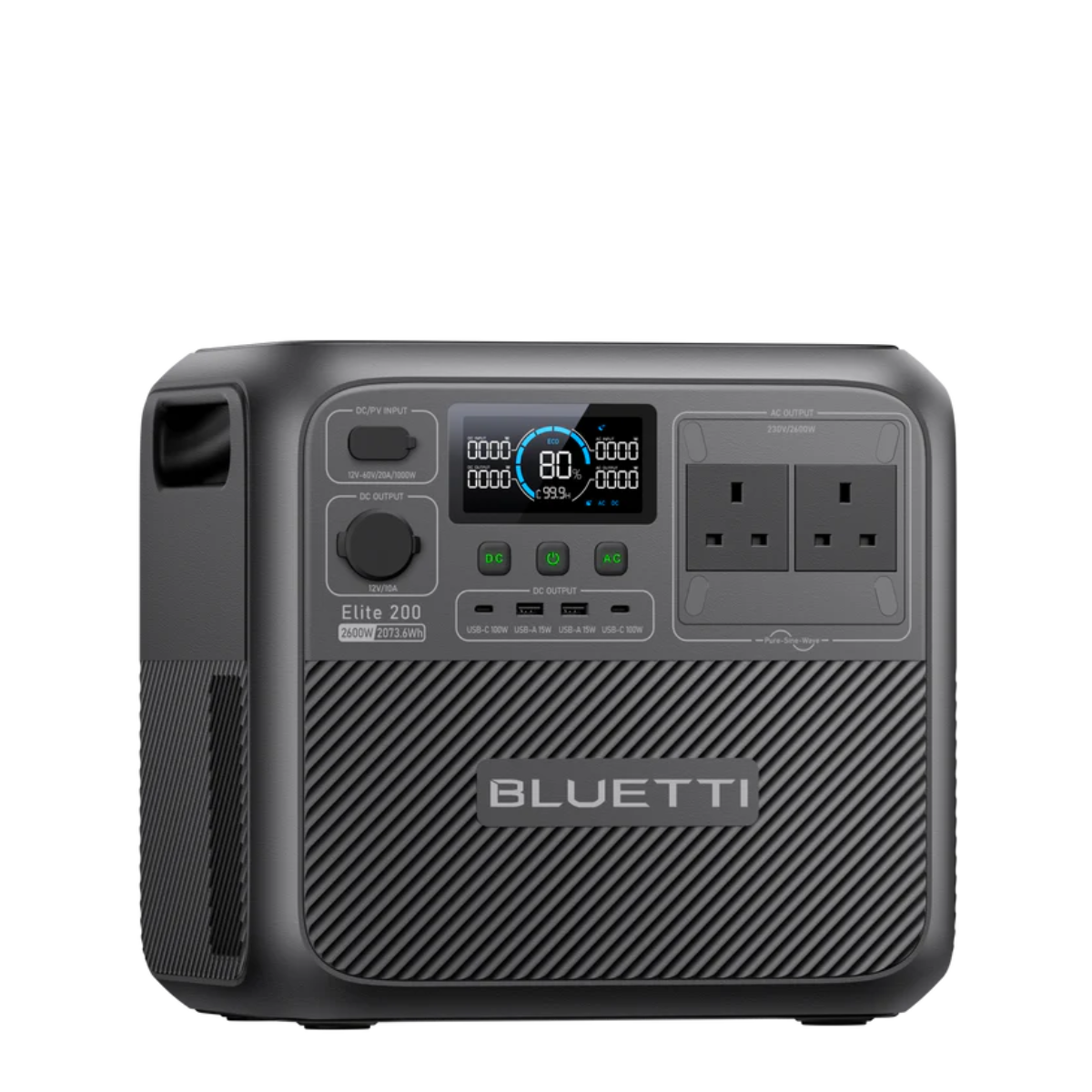
Portable battery stations often have multiple ports. These ports are crucial for connecting devices. USB ports are common and widely used. Some stations have AC outlets for larger devices. It’s important to check the port type before use. Not all ports support every device. You need to ensure compatibility.
Connection Standards
Different devices use different connection standards. Some may require specific cables. Others might need wireless connections. Ensure the battery station supports your device’s standard. This avoids connectivity issues. Proper connection ensures the device runs smoothly. Always verify the standard before connecting.
Reliability And Performance
Portable battery stations can provide reliable power for medical devices in emergencies. They ensure consistent performance, keeping essential equipment operational.
Operational Consistency
Portable battery stations offer consistent power for medical devices. They are built to maintain steady voltage and current levels. This ensures devices run smoothly without interruptions. Such consistency is crucial for life-saving equipment. Patients rely on these devices for constant support. Even during power outages, stations keep devices operational. Hospitals need this reliable performance to provide continuous care.
Backup Solutions
In emergencies, backup solutions become vital. Portable battery stations act as a reliable backup. They ensure medical devices keep working when main power fails. These stations are easy to transport. You can move them where needed quickly. They provide a safety net for critical devices. Power can be restored instantly, protecting patients and equipment. Simple setup allows immediate use during crises.
Regulatory And Compliance Standards
Portable battery stations can power medical devices, but they must meet strict regulatory and compliance standards. These standards ensure safety and reliability for both patients and healthcare providers.
Fda Guidelines
The FDA ensures medical devices are safe and effective. Portable battery stations must meet these guidelines. This keeps patients and devices safe. Devices should work correctly with these power sources. FDA checks if the power is stable and reliable. Any malfunction can affect device performance. Safety is the top concern for the FDA. Follow their guidelines to avoid problems.
Certification Requirements
Certification is vital for portable battery stations. It proves they meet safety standards. Certifications like CE and UL are common. They ensure the device is safe for use. Certification involves testing and inspection. It shows the product is trustworthy. Without certification, devices may not be approved. Proper certification protects users and patients. Always check for these certifications before use.
Real-world Applications
Portable battery stations can power medical devices in emergencies or remote areas. Reliable energy sources ensure continuous operation for critical equipment. These stations offer flexibility and independence from traditional power grids.
Case Studies
Doctors use portable battery stations for emergencies. These devices help when power fails. Some hospitals keep them ready for storm season. They provide power for life-saving equipment. Patients at home also use them. They can be a backup for home medical devices. This ensures continuous care without interruption.
User Experiences
Many people share positive stories. One family uses a battery station for their child’s ventilator. It’s a relief during power cuts. Another user found it handy for a CPAP machine. It gives peace of mind during travels. People say they feel safer with a backup plan. It’s an important tool for health.
Future Trends
Portable battery stations are becoming capable of powering medical devices. They offer a reliable solution for remote healthcare needs. As technology advances, these stations provide essential support for medical treatments outside hospitals.
Technological Advancements
Portable battery stations are getting smarter and smaller. These devices now include advanced featureslike fast charging and energy efficiency. New materials make batteries last longer and charge faster. This helps in critical situations. More devices can be powered by these batteries now. Doctors and patients find them useful for medical equipment.
Market Potential
The demand for portable battery stations is growing. More people need reliable power sources. Hospitals and clinics look for backup power. Portable batteries are a great choice. They are easy to carry and store. People feel safe knowing they have power anytime. This market is expected to expand. More companies are joining this field. They want to make better and cheaper products for everyone.
Frequently Asked Questions
What Is The Best Battery For Medical Devices?
Lithium-ion batteries are the best choice for medical devices. They offer high energy density and long life. Reliability and efficiency make them ideal for critical applications. Their lightweight design is beneficial for portable medical equipment. Always consult with the device manufacturer for specific requirements.
How To Prepare For Power Outages If Your Health Depends On Home Medical Devices?
Secure a backup power source for medical devices. Keep emergency contacts and device manuals handy. Store extra batteries and supplies. Inform your power company about medical needs for priority restoration. Create an emergency plan with family and caregivers. Regularly test equipment to ensure functionality during outages.
What Battery Is Used In Medical Devices?
Medical devices often use lithium-ion, lithium primary, nickel-metal hydride, or alkaline batteries. These offer reliability and long-lasting power. Battery choice depends on the device’s requirements and safety standards.
What Can You Power With A Portable Battery?
A portable battery can power smartphones, tablets, laptops, cameras, small appliances, and LED lights. The capacity determines usage duration. Check device compatibility and battery specifications for optimal performance.
Conclusion
Portable battery stations offer flexibility for medical device use. They can power devices during outages or travel. Check compatibility first. Not all devices work with every battery station. Important to ensure safety standards are met. This can prevent possible risks.
Consider battery life and capacity. This helps in choosing the right station. Always consult with professionals for advice. They provide guidance specific to your needs. Portable battery stations can be useful, but careful consideration is key. Proper research ensures reliable and safe power for your medical devices.