
Imagine you’re out on the water, enjoying the tranquility and freedom of being on your boat. The sun is shining, the waves are gentle, and everything seems perfect—until you need power for your devices.
That’s when you start wondering: “Can portable power stations be used on boats? ” This question might have crossed your mind more than once, especially if you love spending time on the water but hate the restrictions of limited power options.
You’re not alone in wanting to keep your devices charged and your gadgets running smoothly while sailing or anchored. This article is your gateway to understanding how portable power stations can revolutionize your boating experience. Dive in to discover if these compact power solutions can truly meet your needs on the open water, and how they can enhance your adventures.

Credit: truegear.com.au
Benefits Of Portable Power Stations On Boats
Portable power stations enhance boating experiences with reliable energy sources for essential devices. They offer a compact, eco-friendly alternative to traditional generators, ensuring smooth sailing. Ideal for charging electronics and powering appliances, they provide convenience on the water.
Enhanced Energy Independence
Portable power stations give boats extra energy. They help keep lights and devices on. This means less worry about running out of power. Boaters can enjoy longer trips. Energy independence is important on the water.
Reduced Environmental Impact
Using portable power stations is eco-friendly. They don’t make smoke or noise. This is good for the ocean and sea life. Boats with green power help protect nature.
Convenience And Versatility
Portable power stations are easy to use. They work with many devices. Boaters can charge phones, lights, and more. They are small and lightweight. This makes them easy to carry and store. They fit well on any boat.
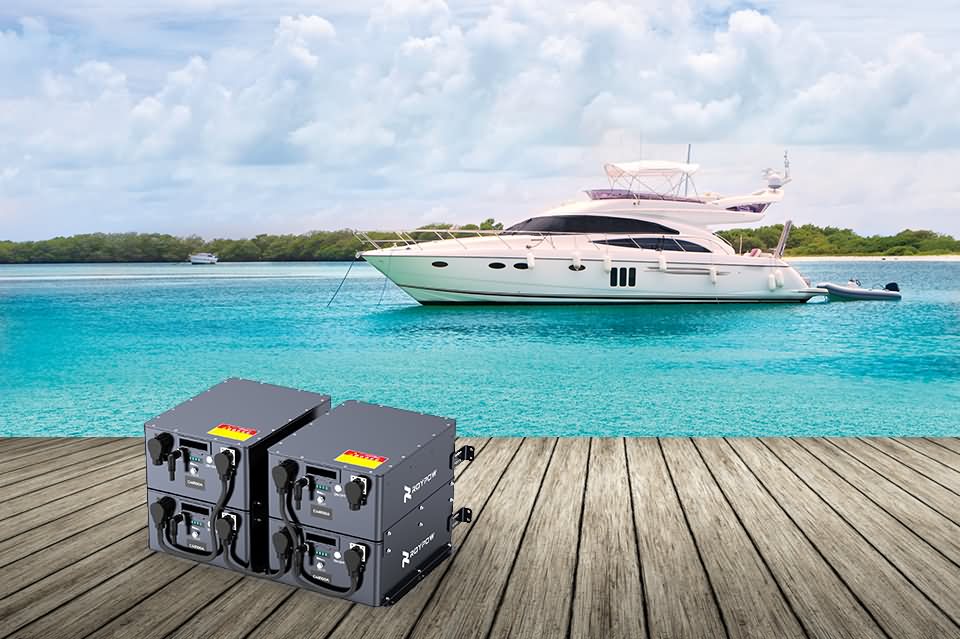
Credit: www.roypow.com
Choosing The Right Portable Power Station
Portable power stations can be a useful addition to boats. They provide reliable energy for electronics and appliances onboard. Choosing a weather-resistant model ensures durability in marine environments.
Power Capacity Considerations
Portable power stations come with different power levels. It’s important to choose one that matches your boat’s needs. Check how much power your boat uses daily. Make sure the power station can handle it. A power station with more capacity can run more devices. This ensures you have power all the time. Look for stations with high watt hours. This means they store more power.
Size And Weight Factors
Consider the size and weight of the power station. Boats have limited space. A bulky power station can be hard to store. Pick a compact and lightweight model. This makes it easier to carry and store. Remember, a heavier station might be harder to move. Ensure it fits well in your boat’s storage area.
Compatibility With Boat Systems
Ensure the power station works with your boat’s systems. Check if it has the right ports. Boats need specific power connections. Make sure it can connect easily. Look for features like multiple outlets. This helps power different devices on the boat. Ensure it has USB ports for small gadgets. This keeps all your devices powered up.
Installation Tips For Sailors
Make sure the power station is tightly secured. Use brackets or straps for stability. The boat moves, so safety is key. Fasten it near a flat surface. Avoid placing it near edges. This prevents tipping over.
Choose a spot with good airflow. Avoid direct sunlight. It can overheat the power station. Keep it away from water splashes. Near the control panel is a good choice. Easy access is important.
- Check connections regularly.
- Keep wires tidy.
- Use waterproof covers.
- Turn off when not in use.
- Avoid overloading the station.
Maintenance And Care
Keep the power station clean. Dust and dirt can cause problems. Check for any signs of damage. Look for cracks or loose parts. Ensure all connections are tight and secure. Regular checks help the power station work well.
Charge the battery often. This keeps it healthy. Avoid letting it drain completely. Store it in a cool, dry place. Heat can damage the battery. Follow the manufacturer’s guidelines for best results. Good care extends battery life.
If the power station won’t turn on, check the battery. Ensure it is charged. Look at all connections. Make sure they are secure. If it still doesn’t work, consult the user manual. It can help find solutions. For serious problems, contact customer service.
Real-world Applications
Portable power stations can keep boat navigation systems running. They provide a stable power source. This ensures safety during long trips. Without them, navigation tools may fail. Boats need accurate maps and directions. A portable power station is vital for this. It helps sailors stay on track. Even in bad weather, the system stays powered. This gives peace of mind to all on board.
Boats often have small appliances on board. These include fridges and coffee makers. Portable power stations supply energy to these devices. They keep everything running smoothly. This is useful on long journeys. Fresh food stays cold in the fridge. Hot drinks are always available. Simple comforts make trips more enjoyable. Power stations are easy to use. They connect directly to the appliances. This makes life at sea more convenient.
Power stations act as backup solutions. They are crucial in emergencies. If the main power fails, these stations step in. They keep lights and radios working. This ensures communication with the shore. It helps in sending distress signals if needed. Having a backup plan is important. It can be a lifesaver at sea. Safety is a top priority for sailors. Portable power stations help maintain this safety.

Credit: rocksolar.io
Future Of Portable Power Stations
Portable power stations can be ideal for boats, offering reliable energy without the need for traditional fuel. They are compact and easy to use, making them a good choice for boating adventures. Enjoy quieter and cleaner energy while exploring the waters.
Technological Advancements
Portable power stations are becoming more advanced. Smaller and lighter designs make them easy to carry. Battery technology is improving fast. Lithium-ion batteries provide more power than ever. Solar panels are often included. They help in charging the power station using sunlight. Smart technology allows easy monitoring and control.
Increasing Adoption Trends
Many people are using portable power stations. Boaters find them useful. They provide reliable power on water. Camping enthusiasts love them too. They offer electricity in remote places. Emergency situations benefit from them as well. They ensure backup power during outages.
Potential Challenges
There are some challenges with portable power stations. Initial cost can be high. Battery life is another concern. It may decrease over time. Charging can be slow without sunlight. Weight can be an issue for larger models. Compatibility with devices might require adapters.
Frequently Asked Questions
Is It Safe To Run A Portable Generator On A Boat?
Running a portable generator on a boat can be risky. Ensure proper ventilation to prevent carbon monoxide poisoning. Use marine-grade generators designed for boats. Secure the generator to prevent movement. Follow safety guidelines and manufacturer’s instructions. Regularly check for fuel leaks and maintain equipment for safe operation.
Can A Jackery Charge A Marine Battery?
Yes, a Jackery can charge a marine battery. Ensure compatibility with voltage and capacity. Use a suitable adapter or cable for connection. Charging efficiency depends on the Jackery model and marine battery specifications. Always follow manufacturer guidelines for optimal charging performance.
What Are The Disadvantages Of A Portable Power Station?
Portable power stations can be expensive and offer limited battery capacity. They may not support high-wattage devices and can be heavy to transport. Charging times can be lengthy, and they may have a shorter lifespan compared to traditional generators.
How To Get Power On A Boat?
Use an onboard generator or solar panels for electricity. Install batteries for backup power. Ensure proper wiring and maintenance.
Conclusion
Portable power stations are useful on boats. They provide essential power. Charging gadgets and running small appliances becomes easy. Boating trips get more enjoyable. No need to worry about power outages. They are compact and easy to use. Most are weather-resistant, perfect for marine conditions.
They reduce reliance on traditional fuel sources. This helps the environment. Always check the compatibility with your boat’s needs. Safety is important. Choose a model that suits your boating lifestyle. Enjoy seamless adventures on the water with the right power station.
Happy boating!