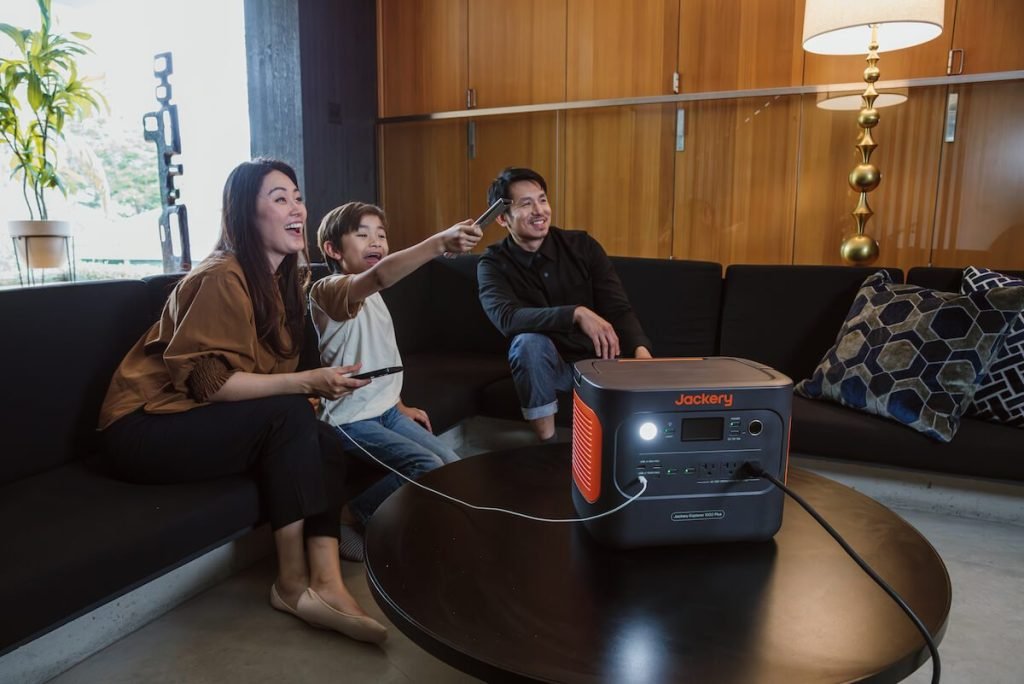
Imagine the chill creeping into your cozy room during the depths of winter. You want warmth, but you’re curious if your portable power station can handle the job.
You’re not alone in wondering if these convenient power sources can run a space heater effectively. You’ll discover the answer and learn how portable power stations can be the ultimate solution for your heating needs in remote locations or during power outages.
You’ll find out which power stations are up to the task and how to maximize their efficiency. Dive in, and uncover how you can keep the cold at bay without compromising on convenience or safety.
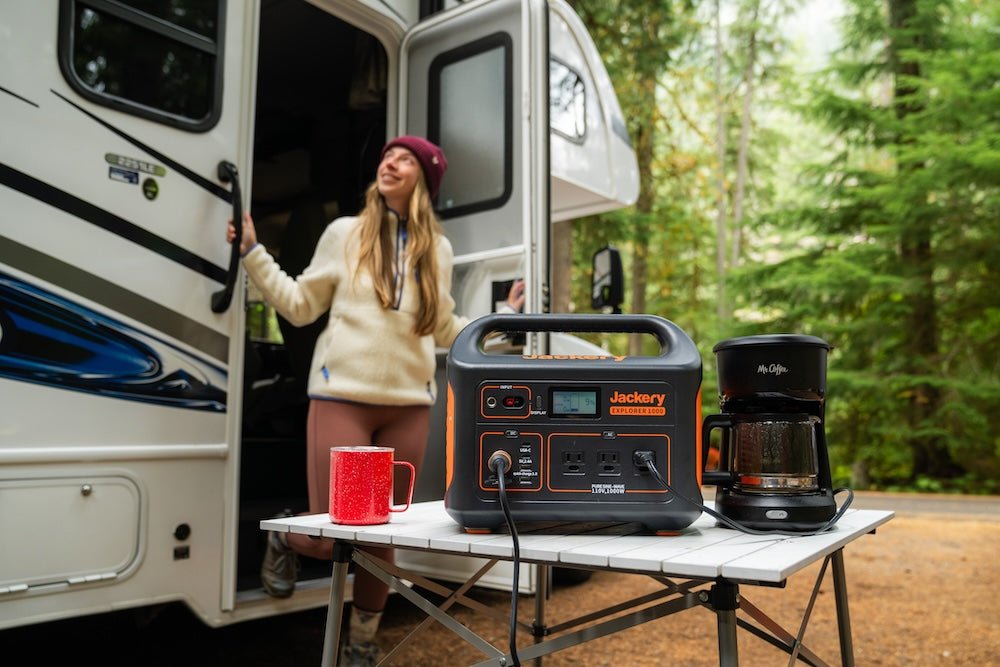
Credit: www.jackery.com
Portable Power Stations Overview
Portable power stations can run a space heater if they have enough wattage capacity. Most space heaters need significant power, so it’s crucial to check the power station’s output. Always ensure the power station’s wattage matches or exceeds the heater’s requirements for safe and efficient use.
Types Of Portable Power Stations
Portable power stations come in various types. The most common are solar-powered, battery-operated, and gasoline-based. Each type has its unique features. Solar-powered units are eco-friendly and use sunlight. Battery-operated ones are easy to charge and maintain. Gasoline-based stations are powerful but need fuel.
Key Features And Specifications
Key features of portable power stations include power capacity, portability, and durability. Most units have a power output range of 100W to 2000W. This helps in powering different devices. They are lightweight and easy to carry. Some stations also offer multiple charging ports. Specifications like battery life and recharge time are crucial. Always check the wattage needed for your devices.
Space Heater Basics
Portable power stations can run a space heater if the wattage is sufficient. Ensure the power station’s output matches the heater’s requirements to avoid overloading. Always check the device’s specifications before use.
Types Of Space Heaters
Space heaters come in different types. Electric heaters are very common. They use electricity to make heat. Gas heaters use natural gas or propane. They are powerful but need good ventilation. Oil-filled heaters look like radiators. They heat oil to warm a room. Some heaters have fans. These are called fan heaters. They spread heat quickly. Each type has pros and cons. Choose the right one for your needs.
Power Consumption Of Space Heaters
Space heaters need a lot of power. Most use 1,500 watts to heat a room. That’s a lot for a small device. Some heaters use less power. They might use 750 watts or less. Heaters with fans might use extra power. Always check the heater’s power label. This tells you how much electricity it uses. Using less power saves money. It also helps the environment.
Compatibility With Space Heaters
Portable power stations can power space heaters, but compatibility depends on the heater’s wattage and the power station’s capacity. Ensure the power station can handle the heater’s energy requirements to avoid overloading and ensure efficient operation.
Power Output Requirements
Space heaters need a lot of power. Most require 1500 watts. Portable power stations must match this. Check the station’s watt output. It should be equal or higher. This ensures the heater works safely. Lower wattage means the heater won’t work well. Overloading can damage the power station. Always check the heater’s power needs. Match it with the power station’s capacity.
Battery Capacity Considerations
Battery capacity is very important. It tells how long the heater can run. Higher capacity means longer use. Look for capacity in watt-hours (Wh). More watt-hours equals more time. A space heater uses power fast. Plan for shorter usage times. Recharge times also matter. Choose a power station that recharges quickly. This ensures the heater is ready when needed.

Credit: www.jackery.com
Efficiency Factors
Portable power stations can run a space heater, but efficiency depends on heater wattage and power station capacity. Larger power stations handle higher wattages better, ensuring longer heating duration. Always check your power station’s specifications to match the heater’s requirements.
Heating Efficiency
Space heaters need a lot of power. Portable power stations have limited capacity. Most power stations can’t run heatersfor long. Heaters use energy quickly. Check your heater’s wattagebefore using it. Portable power stations work best with low power devices.
Energy Consumption Rates
Space heaters consume energy fast. Higher wattage means faster energy use. A heater might drain a portable power station quickly. Low wattage heatersare better for portable use. Always monitor your energy levels. This helps avoid running out of power.
Challenges And Limitations
Running a space heater with a portable power station poses challenges. Most portable units have limited power capacity. Space heaters often require more energy than these stations can supply.
Run Time Limitations
Portable power stations can only run a space heater for a short time. The heater needs a lot of electricity to work. The station’s battery drains quickly. Most stations cannot support high wattage heaters for long. This makes them less ideal for cold days. It’s important to check the station’s capacity before use.
Safety Concerns
Safety is a big concern with portable power stations. Overloading the station can cause overheating. This is dangerous and can lead to fire. Always check the wattage of your heater. Make sure it matches the station’s output. Use the station in a safe and open area. Never leave it unattended while running the heater.

Credit: www.facebook.com
Tips For Optimal Performance
Portable power stations can run a space heater if the station’s wattage matches the heater’s requirements. Check the heater’s wattage and ensure the power station can handle it without draining too fast. Consider power station capacity for extended use.
Energy-saving Practices
Use a smart thermostat to control the space heater. It saves energy by adjusting the temperature. Avoid using the heater at maximum power. Lower settings consume less power. Insulate the room to keep heat inside. Close doors and windows tightly.
Choosing The Right Power Station
Ensure the power station can handle high wattage. Check the heater’s wattage and compare it to the power station’s capacity. Choose a power station with long battery life. Look for models with fast charging options. Portable designs are easier to move around. Consider the weight and size for convenience.
Alternative Heating Solutions
Portable power stations can run space heaters with the right capacity. Choose a model with enough wattage to support the heater’s requirements. Consider battery lifespan and efficiency for optimal heating performance.
Solar Power Options
Solar panels can provide clean energy for heaters. They convert sunlight into electricity. This can power small heaters. Panels need direct sunlight to work best. Store energy in batteries for cloudy days. Solar power is eco-friendly. It reduces reliance on traditional electricity. Maintenance is important for efficiency. Solar can be a cost-effective solution.
Battery-powered Alternatives
Battery-powered heaters offer flexibility. They are portable and easy to use. Charge batteries before use. Ensure they are high capacity. Some batteries can last a few hours. Carry extra batteries for longer use. These heaters are good for small spaces. They don’t rely on cords or outlets. Safety is important; keep them away from flammable items.
Frequently Asked Questions
Can I Plug A Space Heater Into A Portable Power Station?
Yes, you can plug a space heater into a portable power station. Ensure the power station can handle the heater’s wattage. Check compatibility by reviewing the power station’s specifications. Using a power station with adequate capacity prevents overloads and ensures safe operation of your space heater.
Can A Jackery Run A Small Space Heater?
A Jackery can power a small space heater if it matches the heater’s wattage requirements. Check the heater’s wattage and compare it with the Jackery’s output capacity. Most Jackery models handle up to 1000 watts. Ensure your heater’s wattage is within this range for safe and efficient operation.
Will A Power Bank Run A Space Heater?
A power bank cannot run a space heater. Space heaters require high wattage, which exceeds most power bank capacities. Power banks are designed for smaller devices like phones or tablets. For efficient heating, use a regular electrical outlet or a generator suitable for high-power appliances like space heaters.
How Big Of A Battery Do I Need To Run A Space Heater?
To run a space heater, calculate its wattage first. A typical heater uses 1500 watts. Choose a battery that supports this wattage for desired runtime. Consider battery capacity, measured in watt-hours, to ensure efficient operation. Larger capacity batteries provide longer usage times for your space heater.
Conclusion
Portable power stations can run space heaters. Yet, it depends on the heater’s power needs. Always check the wattage requirements. Match it with your power station’s output. This ensures safety and efficiency. Portable power stations are convenient. They offer flexibility for small devices.
Space heaters need more power. Choose wisely to avoid any issues. Research and plan before buying. Consider your energy needs and usage time. By doing this, you can enjoy warmth. And peace of mind during chilly days.