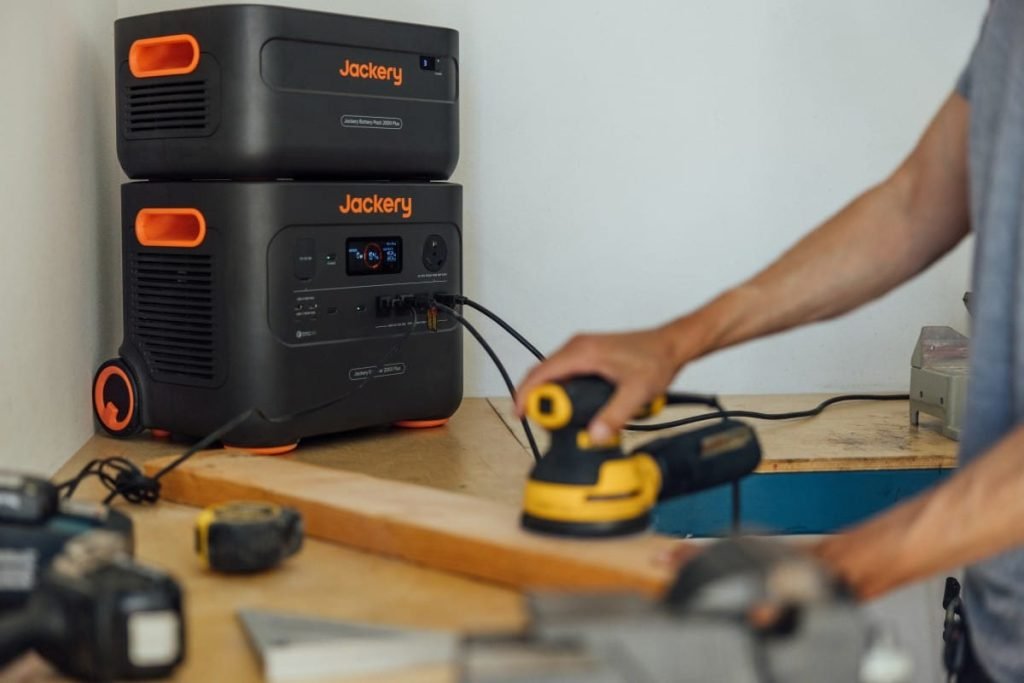
Imagine you’re in the middle of a DIY project, surrounded by power tools ready to bring your vision to life. But suddenly, you realize you’re nowhere near a power outlet.
Frustrating, right? This is where portable power stations come into play. These handy devices promise the convenience of powering your tools anytime, anywhere. But can they really handle the demands of your power tools? Understanding this could transform the way you approach your projects.
You might find yourself wondering if this small investment could save time, energy, and even elevate your craft. Get ready to discover how these portable power stations could change your DIY game. Stay with us, and you might just uncover the key to seamless project execution.
Credit: www.familyhandyman.com
Portable Power Stations Basics
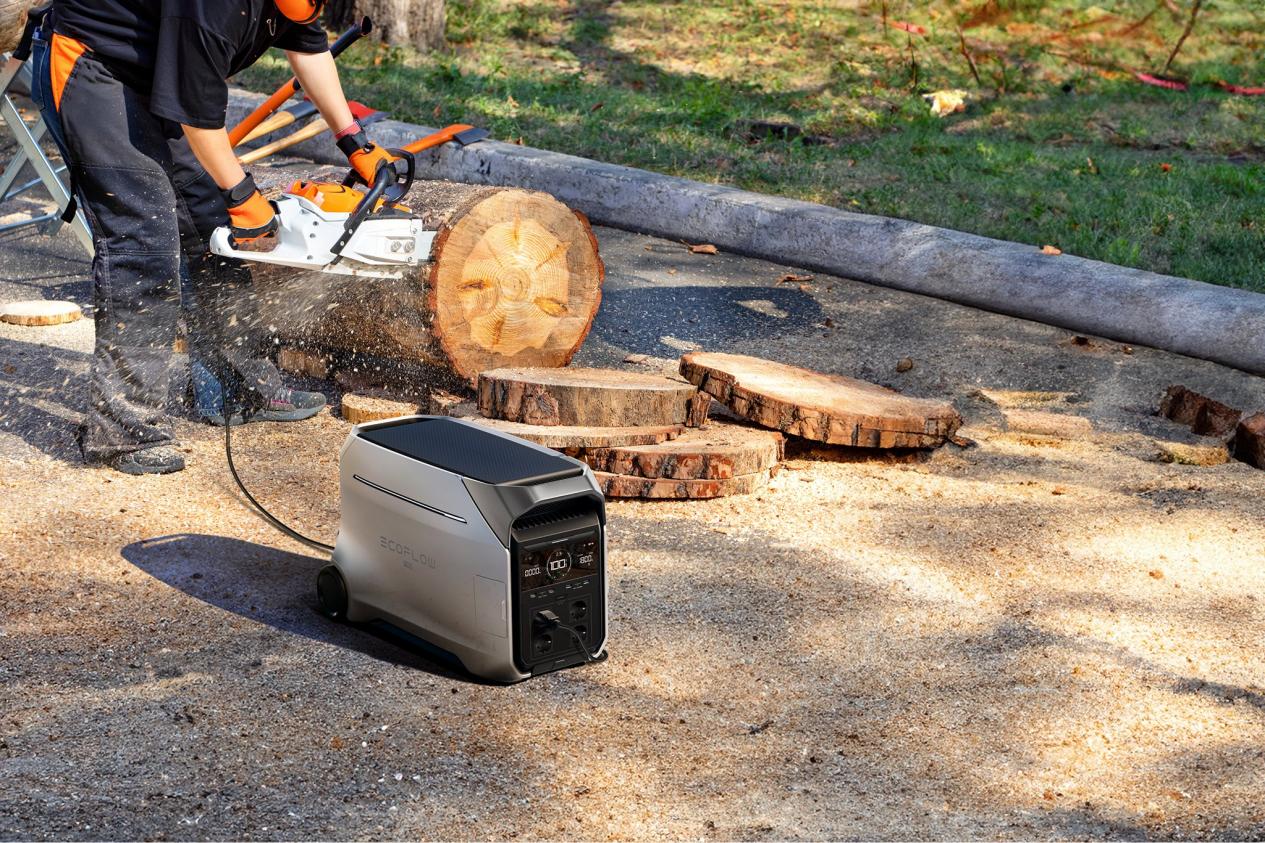
Portable power stations can efficiently run various power tools. These compact devices provide reliable energy for drills, saws, and more. With sufficient wattage, they ensure uninterrupted work, making them ideal for remote projects.
Components And Design
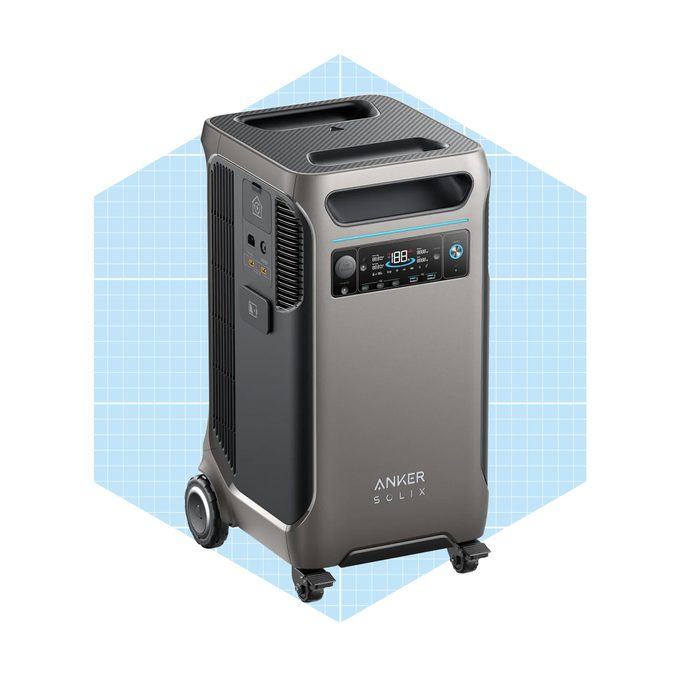
Portable power stations are compact and handy. They have different components that make them work. A battery is the heart of a power station. It stores energy for later use. The inverter changes stored energy into usable power. Outlets let you plug in devices and tools. A display panel shows how much power is left. Ports help charge phones and other gadgets. The design makes it easy to carry and use anywhere.
Battery Types And Capacity
Different power stations have different battery types. Lithium-ion batteries are common. They are light and last long. Lead-acid batteries are heavier but cost less. Capacity tells how much power the battery holds. It is measured in watt-hours (Wh). A higher number means more power. More power means it can run tools longer. Choose a battery based on your needs.
Power Tools Requirements
Power tools need specific wattageand voltage. These are important for their work. Some tools use low power, while others need more power. A drill may use 500 watts. A saw might need 1500 watts. Always check the tool’s label. It shows the exact power needs.
- Drills– Easy to use, need less power.
- Saws– More power needed, cuts wood or metal.
- Sanders– Smooth surfaces, medium power.
- Grinders– Shape metal, use high power.
- Nail Guns– Quick work, low power.
Each tool has its job. Choose the right one for your task.
Compatibility And Limitations
Portable power stations can operate power tools, but compatibility depends on wattage requirements. Check the tool’s power rating against the station’s output capacity. High-demand tools might exceed the station’s limits, affecting performance and battery life.
Matching Power Output
Portable power stations can run power tools. But they must match the power needs. Power output of the station should be the same as the tool. Check the watts on both. If the tool needs more watts, it won’t work well. You may need a bigger power station. Always compare the power requirements.
Continuous Vs. Peak Power
Power tools need different types of power. Some need continuous power. Others need peak power for short bursts. Portable stations provide both. Check if the station has enough peak power. This is important for tools that start with high energy. Continuous power is for regular use. Always read the tool’s power label. This helps in choosing the right station.
Performance Tests
Portable power stations can run many power tools. They handle drills, saws, and sanders well. Some stations have high capacitybatteries. These can support heavy-duty tools for longer periods. Users often test them on construction sites. They check if the power station can handle multiple tools. Results show that most stations perform consistentlyin these scenarios.
Many users share their experiences online. They often highlight the reliabilityof portable power stations. Some users mention the ease of transport. Compact designs make them easy to carry. Others appreciate the quick chargingfeatures. Users also note the importance of battery life. They prefer stations that last through several tasks. Overall, feedback is mostly positive.
Advantages Of Using Portable Power Stations
Portable power stations are easy to carry. They fit in small spaces. You can use them anywhere. No need to search for outlets. Power is always within reach. They make work flexible and fun. Just pick up and go. No heavy lifting required. Great for camping or outdoor jobs. Always stay powered up and ready.
Using these stations helps the planet. They use clean energy. Less pollution is released. This means the air stays clean. They don’t make loud noises. Enjoy peace while you work. They save on fuel costs too. Eco-friendly options are available. Helping nature is important. Keep the earth healthy and green.
Credit: www.ecoflow.com
Challenges And Considerations
Choosing a portable power station for power tools involves understanding power requirements and tool compatibility. Battery capacity and output levels are crucial factors. Consider the types of tools used and their energy needs to ensure efficient operation.
Battery Life And Charging
Portable power stations can run power tools. Battery life is a big concern. Power tools need a lot of energy. A long-lasting battery is important. Frequent charging interrupts work. Some batteries charge quickly. Others take a long time. Charging speed matters. Choose the right station for your needs. Read reviews on battery life. Make sure it suits your tools.
Cost Implications
Portable power stations vary in price. High-quality stations cost more. Cheaper stations might not last long. Spending more can save money later. Durable options need less replacement. Consider repair costs too. Affordable doesn’t always mean good. Check if the station meets your needs. Look for good deals but don’t skimp on quality.
Future Trends And Innovations
Can portable power stations handle power tools? Recent innovations suggest they can. Many power stations now offer enough wattage for tools like drills and saws, making them a handy choice for work on-the-go.
Advancements In Battery Technology
New batteries are being made. They last longer and charge faster. Lithium-ion batteries are popular. They are small but powerful. Solid-state batteries are the next big thing. They promise better safety and longer life. These advancements help power tools work for longer hours. They also make portable power stations lighter.
Integration With Smart Tools
Smart tools are getting smarter. They can connect with mobile apps. This allows users to check battery levels easily. Bluetooth connectivity is common in modern tools. It helps with tool management. Some tools can even update software automatically. Smart integration makes work more efficient. It reduces the hassle of manual checks. Portable stations can adapt to these smart features.

Credit: www.jackery.com
Frequently Asked Questions
Can A Jackery Run Power Tools?
Yes, a Jackery can run power tools, depending on the tool’s wattage and the Jackery model. Check the tool’s wattage and compare it with the Jackery’s output capacity. Most Jackery units can power small to medium tools but verify the specific requirements for optimal performance.
How Much Power Do You Need To Run Power Tools?
Power tools typically require between 500 and 1500 watts. Check your tool’s specifications for exact power needs. Consider tool type, size, and task for accurate requirements. Cordless tools may need less power but rely on battery capacity. Ensure your outlet provides sufficient wattage to avoid performance issues.
What Can Portable Power Stations Power?
Portable power stations can power small appliances, lights, laptops, and smartphones. They support devices under their wattage limits. Ideal for camping trips, outdoor activities, and emergencies. Always check the wattage capacity to ensure compatibility with devices. They are versatile and convenient for temporary power needs.
What Is The Disadvantage Of A Portable Power Station?
Portable power stations can be expensive and offer limited power capacity compared to traditional generators. They may require frequent recharging, which can be inconvenient during extended use. Additionally, some models may not support high-energy devices, reducing versatility in certain situations.
Conclusion
Portable power stations can run power tools effectively. They offer a reliable solution for small to medium tasks. Most models support various tool types. Always check the power requirements of your tools. Ensure the station’s capacity matches your needs. Battery life can vary among different models.
Choose wisely for optimal performance. Portability adds convenience for outdoor projects. It’s crucial for remote work locations. Investing in a quality station can ease your workload. Make informed choices for better results. Consider durability and recharge times. With careful selection, portable power stations can be a practical asset.