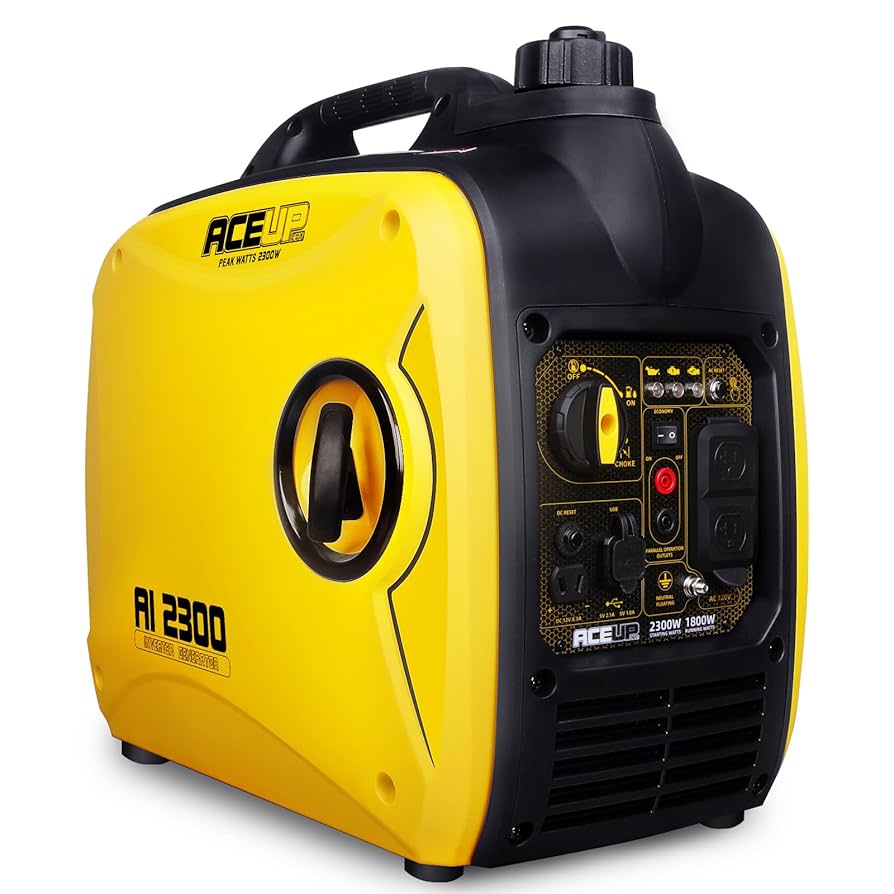
Imagine working in your workshop, surrounded by the quiet hum of creativity, without the constant roar of a traditional generator. Sounds appealing, right?
If you’re like many DIY enthusiasts or professional craftsmen, the noise from gas generators can be a major distraction. But what if there was a way to power your workshop tools without the disruption? Silent gas generators might just be the solution you’ve been looking for.
We’ll explore whether these quiet powerhouses can effectively run your workshop tools while keeping your workspace serene. Stay with us to discover if this could be the game-changer your projects need.
Silent Gas Generators Basics
Silent gas generators use special mufflers and insulation. These parts reduce engine noise a lot. The engine still runs on gas but sounds much quieter.
Noise levels of silent generators are usually under 60 decibels. This is about the sound of a normal conversation. Regular gas generators can be louder than 80 decibels, which can be too noisy for many places.
| Feature | Why It Matters |
|---|---|
| Noise Level | Lower decibels mean less disturbance |
| Power Output | Must support tools in your workshop |
| Fuel Efficiency | Longer running time saves fuel |
| Portability | Easy to move around workshop |
| Durability | Strong build lasts longer |

Credit: www.amazon.ca
Power Requirements For Workshop Tools
Workshop tools need different amounts of power to work well. Each tool has two power ratings: starting wattsand running watts. Starting watts are higher because tools need extra power to start.
Here are some common tools and their power needs:
| Tool | Starting Watts | Running Watts |
|---|---|---|
| Table Saw | 3000 W | 1800 W |
| Air Compressor | 2200 W | 1500 W |
| Drill | 600 W | 400 W |
| Belt Sander | 1200 W | 900 W |
Adding the starting watts of all tools helps find the total power demand. This number shows the generator size needed to run all tools at once. Running watts show how much power is used during work.
Matching Generators To Tools
Silent gas generators can power many workshop tools if their wattage matches the tool’s needs. Checking the generator’s output ensures smooth tool operation without overload. This match helps keep noise low and work efficient.
Generator Capacity And Tool Compatibility
Choose a generatorthat can handle the power of your tools. Each tool has a running wattand a starting wattrating. The starting watt is often higher because of the surge needed to start the tool. Silent gas generators often have limits on how much power they can give at once. Check the generator’s maximum wattageto make sure it can run your tool smoothly.
Handling Surge Power
Many tools need extra power when they start. This is called surge power. A generator must provide this surge without shutting down. Some silent generators have a surge ratinghigher than their running wattage. This lets them handle short bursts of high power. Without this, tools might not start or could damage the generator.
Multi-tool Usage Scenarios
- Running multiple tools together needs more power than one tool alone.
- Add the running wattsof all tools to find total power needed.
- Make sure the generator can supply this total wattage continuously.
- Use a generator with a higher watt ratingthan the sum to avoid overload.
- Consider the starting watts of tools starting at the same time.
Advantages Of Silent Generators In Workshops
Silent generatorscreate much less noise than regular ones. This helps keep the workshop quietand comfortable. Workers can focus better and talk easily without shouting. This reduces stressand fatiguecaused by loud noise.
These generators are often lightweightand compact. This makes them easy to movearound the workshop or take to different job sites. Their small sizealso means they need less space to store.
- Lower noise means less disturbance to neighbors.
- Better air quality due to improved engine design.
- Simple to carry and transport.
- Less vibration helps protect delicate tools.
Limitations And Challenges
Silent gas generators often have lower power outputcompared to loud models. This can limit their use with heavy workshop toolsthat need more energy. Small generators might run drills or saws, but not all tools at once.
Fuel efficiencyis another factor. These generators usually use less fuel, but running powerful tools can drain fuel quickly. Frequent refilling might be needed during long work hours.
Maintenance is key to keeping the generator working well. Quiet models have parts that need regular checks and cleaning. Dust and oil can build up, affecting durability.
| Aspect | Challenge |
|---|---|
| Power Output | May not support multiple or heavy tools |
| Fuel Efficiency | Needs frequent refills under heavy use |
| Maintenance | Requires regular cleaning and part checks |

Credit: www.amazon.ca
Top Silent Gas Generators For Workshops
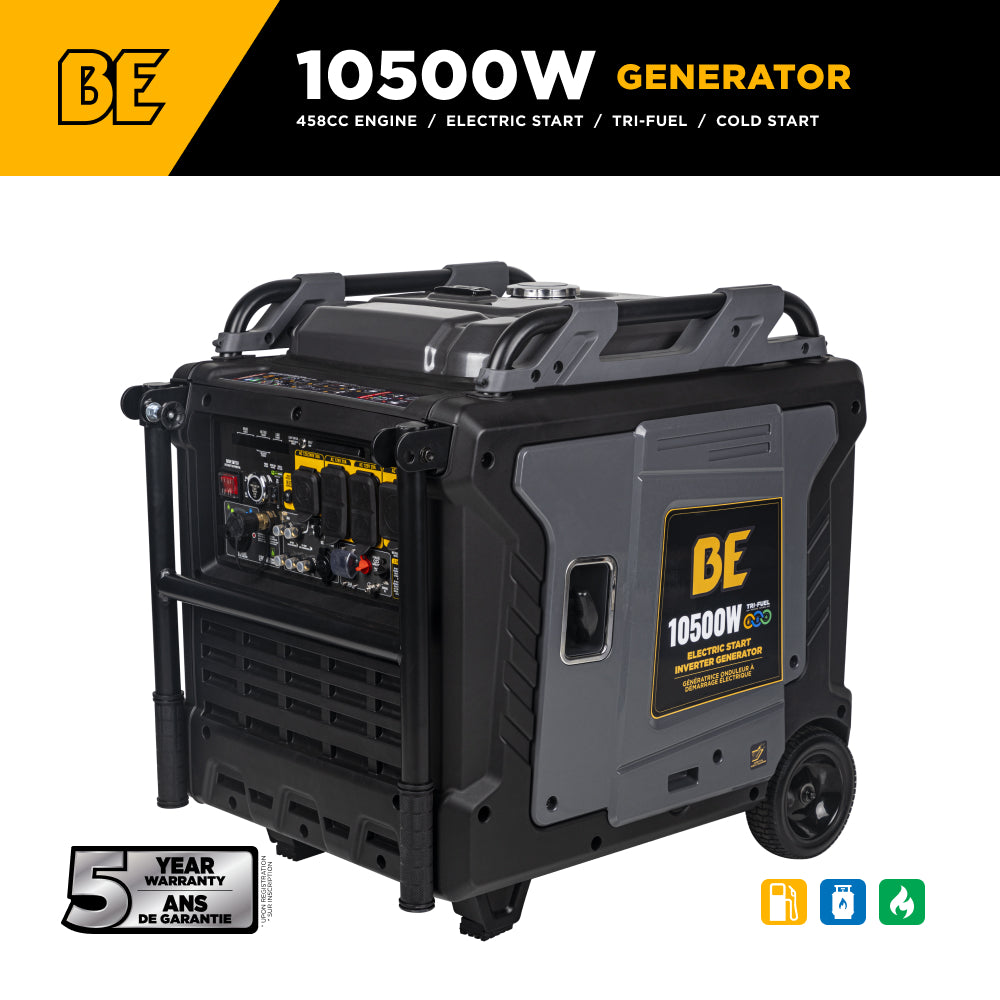
Silent gas generators are great for powering workshop tools. They run quietly, so they won’t disturb neighbors or workers. Heavy-duty models offer strong power for drills, saws, and compressors.
Budget-friendly options provide good power without costing much. These models are ideal for small workshops and light tasks. They balance price and performancewell.
| Model | Power Output (Watts) | Noise Level (dB) | Price Range | User Rating |
|---|---|---|---|---|
| QuietGen 3000 | 3000 | 58 | $$$ | 4.5/5 |
| WorkSilent 2000 | 2000 | 55 | $$ | 4.2/5 |
| EcoPower 1500 | 1500 | 60 | $ | 4.0/5 |
- Users say quiet operation helps focus on work.
- Many praise easy start and stable power.
- Some note fuel efficiency saves money.
- Occasional comments mention size as a factor.
Safety Tips When Using Generators
Proper ventilationis critical for safe generator use. Always run the generator outdoors, away from doors and windows. This prevents carbon monoxide buildup, which is deadly. Place the generator on a flat, stable surface to avoid tipping.
Handling fuel requires care. Store fuel in approved containersand keep them away from heat or flames. Turn off the generator and let it cool before refueling. Spilled fuel can cause fires or explosions.
- Use dry handswhen touching the generator’s controls.
- Keep cords free from damage and avoid using damaged cords.
- Plug tools directly into the generator or use a heavy-duty extension cord.
- Never overload the generator to prevent electrical hazards.
- Regularly check for signs of wear or damage on wires and plugs.
Credit: bepowerequipment.com
Maximizing Generator Performance
Regular maintenancekeeps your silent gas generator running smoothly. Check oil levels often and change oil every 50 hours. Clean or replace the air filter to stop dust from damaging the engine. Tighten all nuts and bolts to avoid loose parts. Inspect spark plugs and replace if worn out. Keep fuel fresh to prevent clogging.
Manage the power load to avoid overworking the generator. Use tools one at a time or in small groups. Avoid running heavy tools together. This helps maintain steady power and prevents damage. Use a power meter to track load levels. Turn off tools when not in use to save fuel.
Extend the generator’s life by storing it properly. Keep it in a dry, cool place. Drain fuel if it will not be used for a long time. Run the generator monthly for 10 minutes to keep parts moving. Follow the manufacturer’s manual for all care tips.
Frequently Asked Questions
Can A Silent Gas Generator Run Heavy Workshop Tools?
Yes, silent gas generators can power heavy workshop tools if their wattage matches the tool’s requirements. Always check the generator’s output capacity and the tool’s starting wattage for compatibility.
How Long Can Silent Gas Generators Power Tools Continuously?
Silent gas generators can typically run tools for 8 to 12 hours on a full tank. Runtime depends on the generator’s fuel capacity and the power demand of the tools used.
Are Silent Gas Generators More Efficient For Workshop Use?
Silent gas generators are efficient for workshops due to low noise and fuel consumption. They provide stable power, making them ideal for sensitive tools and extended use.
What Maintenance Is Needed For Silent Gas Generators Powering Tools?
Regular oil changes, air filter cleaning, and fuel checks are essential. Proper maintenance ensures consistent power output and extends the generator’s lifespan during workshop use.
Conclusion
Silent gas generators can run many workshop tools effectively. They offer quiet operation, reducing noise pollution. These generators provide steady power, essential for tool performance. They also save space and are easy to move. Choosing the right model ensures your tools work smoothly.
Quiet power means less disturbance for you and neighbors. Silent gas generators suit small to medium workshops well. They balance power and noise for better work conditions. Consider your tool needs and generator capacity carefully. Overall, silent gas generators are practical for workshop use.