
Are you curious about the potential of solar chargers to work indoors? You’re not alone.
Many people wonder if these eco-friendly devices can function away from direct sunlight. Imagine the convenience of charging your devices using solar power indoors, while reducing your carbon footprint. With energy costs rising and sustainability becoming increasingly important, understanding how solar chargers might work indoors can be a game-changer for you.
You’ll discover the surprising facts about indoor solar charging and why it could be a smart solution for your everyday life. Keep reading to find out how you can harness the power of the sun even when you’re inside!
Credit: www.jackery.com
How Solar Chargers Work
Solar chargers can work indoors if they receive enough sunlight through windows. Their efficiency depends on light intensity and angle. Direct sunlight provides the best results, while cloudy days reduce charging speed.
Basic Principles Of Solar Energy
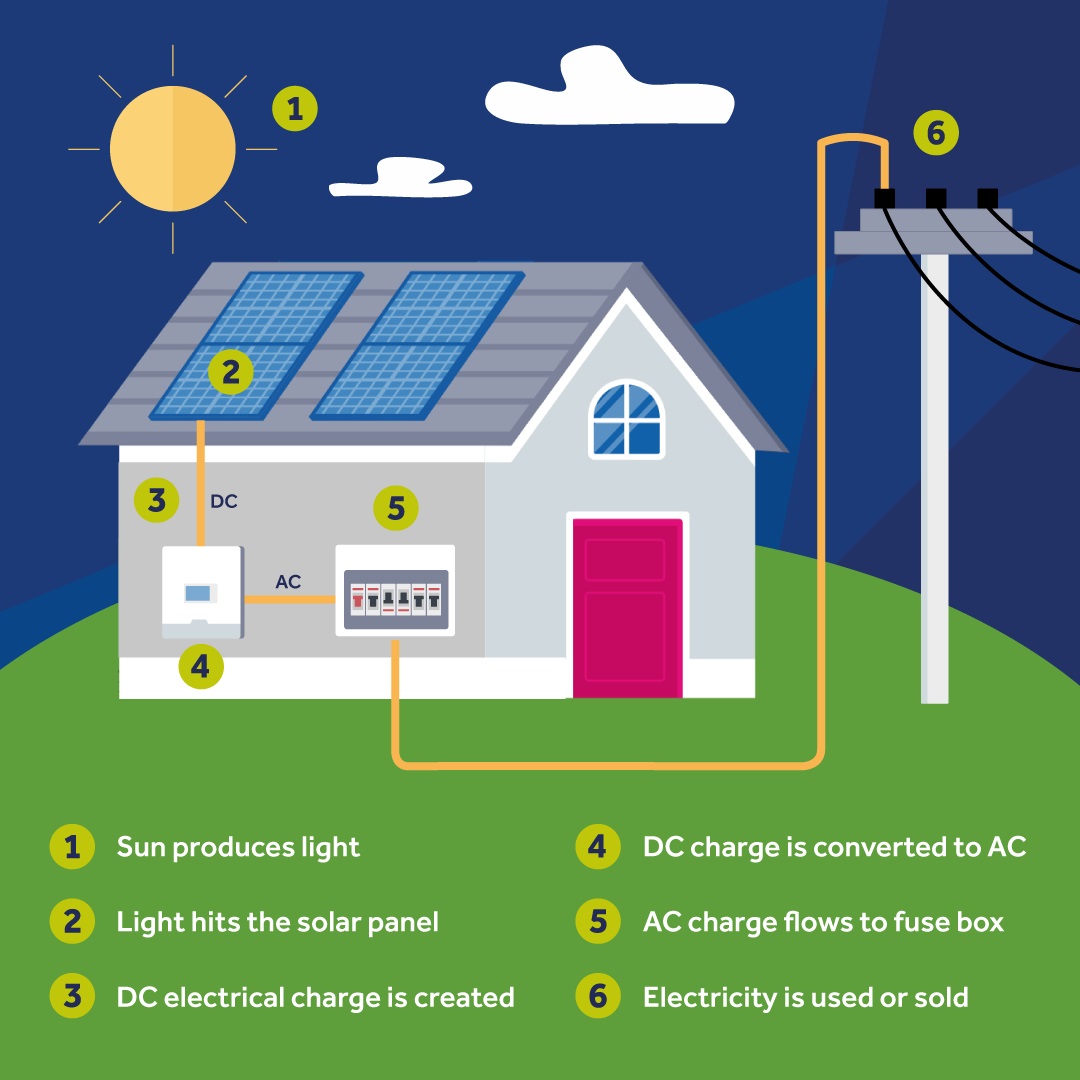
Solar energy comes from the sun. Solar panels turn this energy into electricity. They have many small parts called photovoltaic cells. These cells catch sunlight. They then turn it into power. The more sunlight they get, the more power they make. But, they need direct sunlight to work well.Components Of Solar Chargers
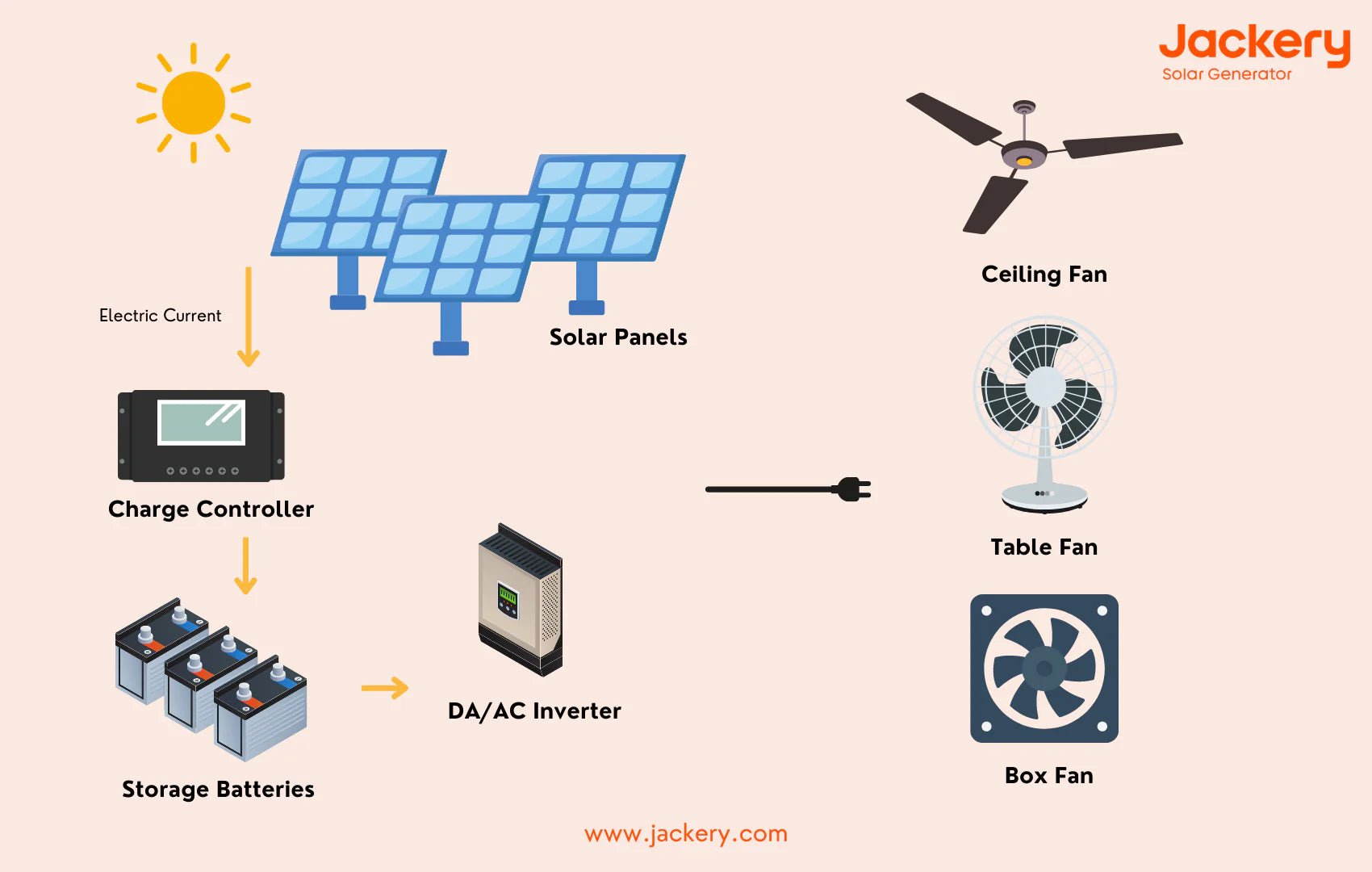
Solar chargers have a few important parts.- Solar panels: These catch sunlight and make power.
- Battery: It stores the power for later use.
- Controller: This part controls the power flow.
- Connectors: They help connect devices to the charger.
Indoor Lighting Sources
Solar chargers can work indoors, but efficiency depends on light intensity. Strong artificial lighting can sometimes charge devices. Position near windows to capture sunlight for better results.
Types Of Indoor Light Suitable For Solar Charging
Solar chargers need light to work. Natural sunlight is the best. But some indoor lights can help too. LED lights are good for solar charging. They are bright and efficient. Fluorescent bulbs can also work. They give a lot of light. Incandescent bulbs are not very good. They use too much energy. So, they are not helpful for solar charging.
Challenges Of Indoor Lighting
Indoor lighting faces challenges. Light intensity is a big problem. Indoor lights are often not strong enough. This makes solar chargers slow. Distance from the light is another issue. If the light is far, the charger gets less energy. Angle of light affects charging too. If light hits at a bad angle, it won’t charge well. These challenges make indoor charging hard.
Efficiency Of Indoor Solar Charging
Indoor lightis weaker than sunlight. This reduces solar charger efficiency. Windows can help some light enter. But glass blocks a lot of it. Charger positionis important too. It should face the light source directly. Type of lightmatters as well. LED and fluorescent lights are not as strong as sunlight. They don’t charge as well.
Outdoor solar chargers work better. The sun gives more power. Chargers get full strength outside. Indoors, they get less light. This makes them less effective. Weather affects outdoor charging. But it still beats indoor light. Indoor chargers need more time. They can charge, but very slowly.
Technological Innovations
Solar chargers can function indoors, but their efficiency depends on light availability. Bright windows or artificial lights aid their performance. While not as effective as outdoor sunlight, they still provide a sustainable energy option.
Advancements In Solar Panel Technology
Solar panels now work better than before. New materials help them capture more sunlight. This means they can even work with indoor light. Flexible panels can bend and fit into small spaces. They are lighter and easier to carry. Thin-film technology is another big change. It makes panels thin and light. These panels can be put on many surfaces. All these improvements help solar chargers work indoors.
Smart Solar Chargers
Smart solar chargers are very clever. They adjust to different light levels. This means they can charge even with little light. Built-in sensors help them find the best angle for sunlight. Some chargers have USB ports for easy charging. They can charge phones and tablets fast. LED indicators show how much power is left. This makes them easy to use. Smart solar chargers are great for indoor charging needs.
Practical Applications
Solar chargers can work indoors, but their efficiency is reduced. Indoor lighting is less powerful than sunlight, slowing charging speed. Placing the charger near a window can improve performance slightly.
Devices Suitable For Indoor Charging
Solar chargers can power small devices indoors. Smartphones and tablets are great options. They need less power to charge. LED lights can also work well. They use little energy. Portable batteries can store solar energy. Use them to charge your gadgets later. Watches and calculators are also good choices. They have small batteries. These devices make the most of indoor solar charging.
Scenarios For Indoor Use
Indoor solar charging is handy in many places. Office desks with windows can use solar chargers. Place the charger near the window for better light. Homes with big windows are good too. School projects can use solar chargers to learn. They show how sunlight makes power. Camping indoors is also fun. Use solar chargers for small lights. These scenarios make indoor solar charging useful and fun.
Environmental Impact
Solar chargers can function indoors, though efficiency might decrease. Indoor lighting, like LEDs, can power these chargers, but at a slower rate. For optimal performance, place them near windows to harness natural sunlight.
Benefits Of Indoor Solar Charging
Indoor solar charging saves energy. No need for electricity from power plants. This reduces pollution. Clean energy helps the planet. It uses the sun’s power, even indoors. This is good for the environment. It lowers carbon footprints. It helps fight climate change.
Sustainability Considerations
Solar chargers indoors are sustainable. They use renewable energy. This reduces the need for batteries. Less waste is produced. Solar chargers can last a long time. They help conserve resources. This is important for future generations.
Future Prospects
Solar chargers indoors might get better soon. Scientists are working on new ideas. They want chargers to collect light from lamps. This means chargers could work in any room. Advancements in technology can help them do this. Better materials might make chargers more efficient. Researchers are exploring innovative designs. They hope these designs will capture more light.
Interest in solar chargers is growing. People like eco-friendly solutions. Many homes use solar panels. Chargers that work indoors could be popular. Consumers want gadgets that save energy. Companies are noticing this trend. They are investing in solar technology. Sales of solar chargers might increase soon. People are curious about indoor options. Stores may start offering more solar products.
Credit: gearjunkie.com
Credit: powerni.co.uk
Frequently Asked Questions
Can A Solar Charger Work Through A Window?
Yes, a solar charger can work through a window, but efficiency decreases. Glass reduces the sunlight’s intensity. For optimal performance, direct sunlight is best. Use clean, clear glass to maximize energy absorption. Position the charger to capture the most sunlight possible.
How Do You Charge A Solar Charger Without Sun?
Charge a solar charger using artificial light sources like LED lamps or incandescent bulbs. Plugging into an electrical outlet with USB can work too. These methods are less efficient than direct sunlight but provide alternative charging options indoors. Always ensure the charger is compatible with these methods to avoid damage.
Can Solar Light Be Charged Indoors?
Solar lights can charge indoors if they receive direct sunlight through windows. Optimal charging requires strong, direct sunlight. Place them near bright windows for best results. Avoid relying on artificial light as it typically lacks the intensity needed for effective charging.
Regular exposure to outdoor sunlight is recommended for full performance.
Do Solar Panel Chargers Have To Be In Direct Sunlight?
Solar panel chargers work best in direct sunlight but can still function in partial shade. Efficiency decreases without full sun exposure. Use them outdoors for optimal performance.
Conclusion
Solar chargers can work indoors, but efficiency may vary. Natural light sources play a significant role. Placing chargers near windows boosts performance. Artificial lights offer limited energy. Indoor use requires patience and strategic placement. Consider your energy needs before relying solely indoors.
Small devices charge better with indoor solar. For larger needs, combine with other power sources. Experimenting can help find the best setup. Solar technology continues evolving, offering more solutions. Always assess your environment. Indoor solar charging is possible, with thoughtful planning.