Imagine having a power source that’s not only eco-friendly but also reliable, even when the skies open up. You might wonder, can solar generators be used during rain?
It’s a question worth exploring, especially if you’re considering investing in solar energy for your home or outdoor adventures. You deserve to know whether your solar generator can keep up with your demands, rain or shine. Understanding how solar generators perform in wet conditions can save you from unexpected power shortages and help you make informed decisions.
Think about the convenience of powering your devices without interruption, regardless of the weather. Picture yourself in a cozy indoor setting, listening to the rhythm of raindrops while your generator silently works in the background. Dive into this article to discover if solar generators can truly withstand the rain and keep your life powered smoothly.

Credit: iallpowers.com
Solar Generators Functionality
Solar generators can operate in rain but require waterproof features. Proper sealing ensures protection against moisture. Efficient functioning depends on solar panel placement and battery management.
How Solar Generators Work
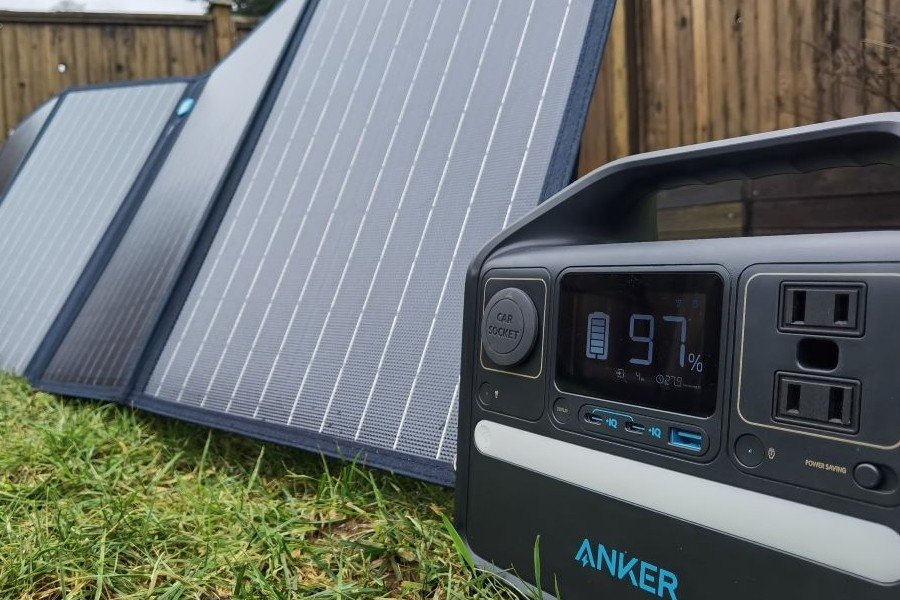
Solar generators make electricity from sunlight. They need solar panelsto collect light. The panels turn sunlight into electricity. This electricity is stored in a battery. The battery keeps the power safe for later use. Even during rain, generators can still work. They use stored power from sunny days. Rainmight slow down collection but not stop it.
Components Of Solar Generators
- Solar Panels: Collect sunlight to create electricity.
- Battery Storage: Keeps electricity for use anytime.
- Inverter: Changes stored energy into usable power.
- Charge Controller: Protects battery from overcharging.

Credit: www.goodhousekeeping.com
Impact Of Weather On Solar Generators
Solar generators can operate during rain, but efficiency drops due to cloudy skies. Rainwater can help clean panels, boosting future performance.
Effects Of Rain On Solar Panels
Rain can affect solar panels. Water droplets can block sunlight. This reduces energy production. Dirt and dust may wash away with rain. This can make panels cleaner. Cleaner panels can work better. But too much rain can be a problem. Panels need sunlight to create energy. If it’s raining a lot, energy production might stop.
Performance In Cloudy Conditions
Cloudy skies can make solar panels less effective. Sunlight is weaker when it’s cloudy. Panels still collect some energy. But not as much as on sunny days. Solar generators can still work on cloudy days. They just produce less energy. Batteries can store energy from sunny days. This helps when it’s cloudy. So, solar generators can still be useful.
Safety Concerns In Rainy Weather
Using solar generators during rain raises safety concerns. Ensure protection with waterproof covers and proper grounding.
Waterproofing And Durability
Solar generators need to be waterproofto work well in rain. Most are made to resist water, but not all are fully waterproof. It’s important to check the IP rating. This tells you how well the generator can handle water. A higher number means better protection. Keeping the solar panels clean helps them work better, even in rain. Always use the generator in a safe spot. Avoid places where water can gather.
Risks Of Using Solar Generators In Rain
Using solar generators in rain can be risky. Water can cause short circuits. This might damage the generator. It’s important to keep the generator dry. Cover it with a waterproof cover. Always keep the generator on a raised platform. This avoids water from touching it. Wet conditions can affect performance. The generator might not make as much power. Always follow the manufacturer’s instructions.
Maximizing Efficiency During Rain
Solar generators can work during rain but with reduced efficiency. They store energy from sunlight, so cloudy skies impact their performance. Ensure the generator is weatherproof to avoid damage and maintain its longevity.
Optimizing Panel Position
Positioning solar panels can impact energy production. Place them where sunlight is best. Avoid shady areas like under big trees. Panels should face the sun directly. Tilt them at the right angle for maximum sunlight. Adjust the angle as the sun moves. This helps even on cloudy days. Regularly clean the panels. Dirt blocks light and reduces efficiency.
Storage Solutions For Energy
Batteries store energy for later use. They are essential during rainy days. Choose high-capacity batteries for more storage. Store extra energy on sunny days. Use it when the sun is hidden. Battery maintenance is important. Check them often and keep them clean. This helps in storing energy better. Good storage means power even when it rains.
Alternative Energy Solutions
Solar generators can work during rain. They provide backup energy when the sun hides. Rainy days may reduce their power output. But, they still gather some energy. Solar panels are designed to endure various weather conditions. They remain functional even in wet weather. These systems are a reliable choice.
Backup Energy Options
Solar generators pair well with battery storage. This allows storing energy for rainy days. Batteries hold extra power collected during sunny days. They give you energy when solar panels aren’t charging. This combination ensures continuous power supply.
Hybrid Systems For Continuous Power
Hybrid systems mix solar and other energy sources. They can include wind or gas generators. This setup provides a stable energy supply. Solar panels work when it’s sunny. Other sources kick in during rain. This ensures you always have power.
Real-life Examples
Solar generators can operate during rain, but efficiency decreases. Real-life users notice reduced power generation in cloudy weather. Waterproof designs help protect components from moisture.
Case Studies Of Solar Generators In Rain
Solar generators often work during rain. Some users shared their experiences. They noticed a decrease in power output during rain. Yet, generators still provided enough energy for small devices. One user reported charging phones and tablets. Another user powered small lights at night. These generators are not completely useless when it rains.
User Experiences And Testimonials
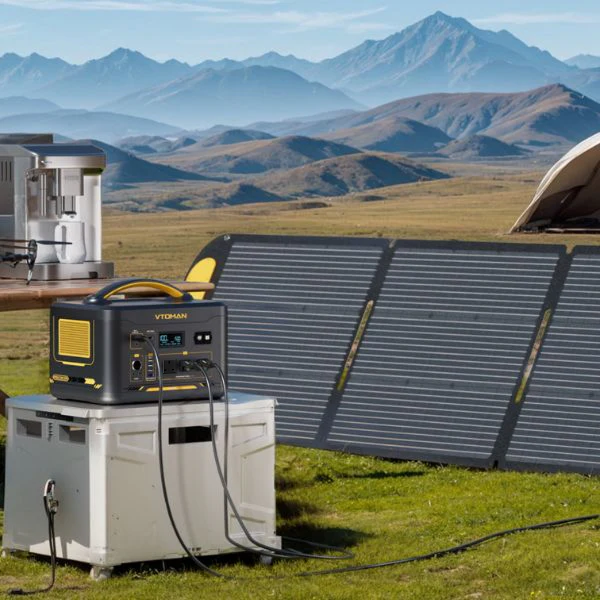
Many users have positive feedback on solar generators. They find them reliable even in rainy weather. One user mentioned using the generator during a camping trip. It rained for two days. The generator kept their tent lights on. Others say solar generators help in emergencies. They give peace of mind when storms hit. Even with rain, these devices can be useful.
Credit: uk.vtoman.com
Frequently Asked Questions
Do Solar Generators Work On Rainy Days?
Solar generators can work on rainy days, but efficiency decreases due to limited sunlight. Modern solar panels still generate some energy, even in cloudy conditions. Using a solar generator with a battery backup ensures power availability during poor weather. Regular maintenance can help optimize performance in less-than-ideal conditions.
Can You Run A Generator During Rain?
Running a generator in the rain is unsafe. Water can cause electrocution or damage the device. Use a tent or canopy for protection. Ensure proper ventilation to prevent carbon monoxide poisoning. Always follow the manufacturer’s safety guidelines for outdoor use.
Can A Solar Generator Get Wet?
Solar generators should not get wet. Water exposure can damage components and reduce efficiency. Ensure proper protection and storage. Use waterproof covers or enclosures during rainy conditions. Follow manufacturer guidelines for safety and longevity. Always keep your solar generator dry and well-maintained.
Does A Solar System Work In Rain?
Solar systems generate electricity even in rain, though efficiency decreases. Clouds reduce sunlight reaching panels, affecting output. Regular maintenance ensures optimal performance. Use high-quality panels for better results. Solar technology adapts to varying weather, providing sustainable energy solutions. Consider battery storage for cloudy days to maximize energy usage.
Conclusion
Solar generators can work during rain. They offer great flexibility and efficiency. Rain might reduce energy output, but they still function. Choose waterproof models for extra protection. Regular maintenance is essential for optimal performance. Keep panels clean and check connections.
Always store them properly when not in use. Solar generators are a reliable source of energy. They are useful even in wet weather conditions. Making them a smart choice for eco-friendly power needs. Consider them for your sustainable energy solution.