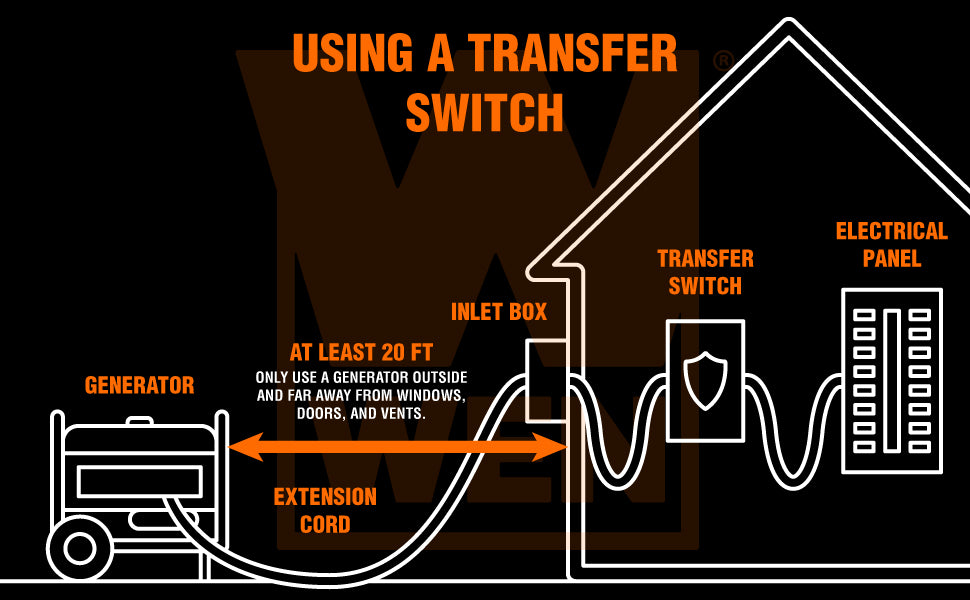
Imagine this: the power goes out unexpectedly. Your home is plunged into darkness, and you’re left wondering how long it will last.
A standby generator could be your lifeline, seamlessly restoring electricity when you need it most. But here’s the million-dollar question: Can your standard gas service handle a standby generator? You might be curious if your existing setup is up to the task or if you’ll face unexpected challenges down the line.
In this post, we’ll dive into the nitty-gritty details to give you the clarity you need. Whether you’re considering a generator for the first time or you’ve had one for years, understanding this connection is crucial. Read on to discover the truth about your gas service and how it can support your standby generator needs.
Gas Service Types
Standard gas servicesupplies fuel for common household needs. It usually handles cooking, heating, and hot water. This service has a set capacity and pressure for typical use. A standby generatorneeds more gas flow than standard service provides. Using standard service alone may cause low pressure and poor generator performance.
Enhanced gas service optionsoffer higher pressure and increased flow. These options support larger gas appliances and standby generators. Upgrading to enhanced service ensures your generator runs smoothly during outages. It may require a bigger gas meter and stronger pipes.
| Gas Service Type | Typical Use | Capacity | Suitability for Standby Generator |
|---|---|---|---|
| Standard Gas Service | Cooking, heating, hot water | Normal household demand | Usually not enough |
| Enhanced Gas Service | Larger appliances, standby generators | Higher flow and pressure | Recommended for generators |
Standby Generator Needs
Power requirementsfor a standby generator vary by home size and appliances used. Calculate the total wattage needed to run essential items like refrigerators, heaters, and lights. A generator must handle peak loads without damage. Checking the amperage and voltage compatibility with your home system is vital. Oversized generators waste fuel; undersized ones can fail during outages.
Fuel consumption ratesdepend on generator size and fuel type. Natural gas is commonly used for standby generators and supplies steady fuel flow. Consumption increases with load and run time. Efficient fuel use saves money and reduces emissions. Having a reliable gas line ensures the generator works when needed most.
Compatibility Factors
Pressure and flow rateare key for standby generator use. The gas service must supply enough pressure to keep the generator running steadily. Low pressure can cause the generator to work poorly or stop. Flow rate shows how much gas moves through the pipes. Standby generators need a high flow rate at times, especially during startup.
Pipeline capacityis about the size and condition of the pipes. Pipes must be wide enough to carry the gas without losing pressure. Old or narrow pipes limit gas flow. This can stop the generator from getting enough fuel. Proper pipeline capacity avoids pressure drops and keeps the generator ready.

Credit: www.angi.com
Installation Considerations
Permitsare needed before installing a standby generator. Local rules may vary by area. Always check with your city or county office. Permits ensure safety and legal compliance. Without them, installation may be stopped or fined.
Regulationscontrol where and how gas lines connect to the generator. These rules protect your home and neighbors. Following them avoids hazards like leaks or explosions.
A professional assessmenthelps determine if your current gas service can handle the generator. Experts check gas pressure and pipe size. They also inspect the overall gas system condition.
This check avoids overloading your gas supply. It ensures the generator runs smoothly during power outages. A licensed technician can recommend upgrades if needed.
Potential Risks
Gas supply interruptionscan cause the standby generator to stop working. Standard gas services may not provide enough pressure or flow during power outages. This can lead to generator failureat critical times. Backup systems need a steady and reliable gas flow to function well.
There are also safety concernswith using standard gas services for generators. Gas leaks or improper connections can cause fires or explosions. Generators produce exhaust gases that must be properly vented to avoid carbon monoxide poisoning. Proper installation and regular maintenance are very important to keep everything safe.
Upgrading Gas Service
Upgrading your gas servicemight be necessary to support a standby generator. Generators need more gas flow than typical home appliances. This means the existing gas line could be too small or weak.
Signs to consider an upgrade include:
- Generator size is larger than current gas capacity.
- Gas pressure drops when generator runs.
- Local codes require bigger gas lines for generators.
Cost depends on several factors:
| Factor | Impact on Cost |
|---|---|
| Gas line size | Larger pipes cost more materials and labor. |
| Distance from gas meter | Longer runs increase installation costs. |
| Permits and inspections | Fees vary by location and add to total cost. |
Maintenance Tips
Regular checks keep the generator safe and working well. Look for any leaks, loose wires, or worn parts. Check the oil and fuel levels to avoid surprises. Run the generator monthly to ensure it starts easily. Test the battery and clean the terminals to keep power steady.
Prepare for emergencies by storing enough fuel. Have a plan for quick repairs or parts replacement. Keep the area around the generator clear and dry. Know how to switch power during outages. Keep contact info of a trusted service ready.
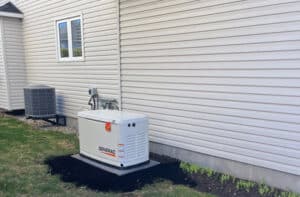
Credit: powersservicing.ca
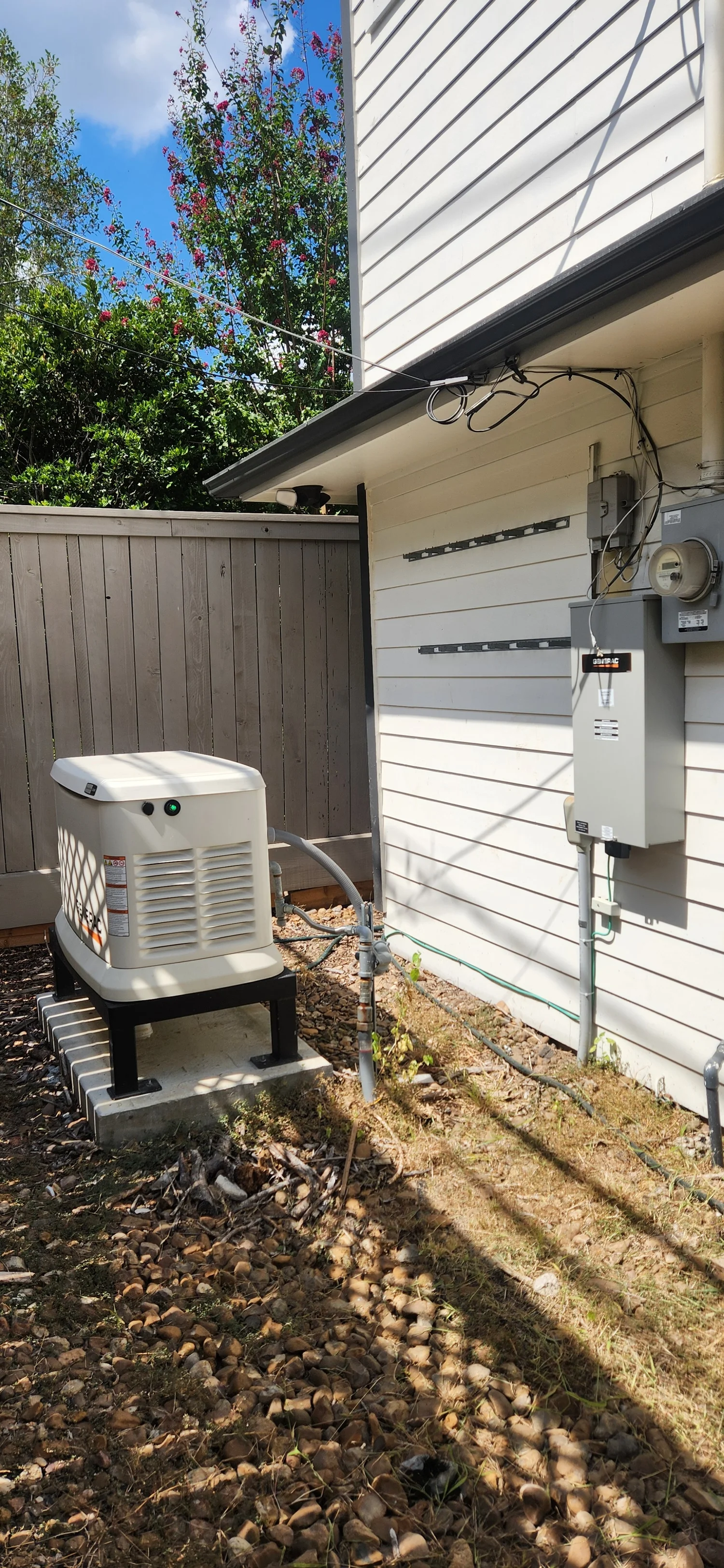
Credit: www.arielicustomhomes.com
Frequently Asked Questions
Can Standard Gas Service Support Standby Generator Needs?
Standard gas service can support small to medium standby generators. Larger generators may require upgraded gas lines or higher pressure to ensure consistent fuel supply.
What Gas Pressure Is Needed For Standby Generators?
Standby generators typically need higher gas pressure than standard household appliances. Confirm with your generator’s specifications to ensure your gas service meets requirements.
Is A Separate Gas Line Needed For Standby Generators?
In many cases, a separate gas line is recommended to ensure steady fuel flow and avoid pressure drops during generator operation.
How Does Gas Service Affect Standby Generator Performance?
Adequate gas service ensures efficient generator operation. Insufficient gas supply can cause generator malfunction or reduced power output during outages.
Conclusion
Standard gas service can often support a standby generator. It depends on your gas line size and pressure. Many homes need upgrades for reliable generator use. Always check with a professional before installation. Proper setup ensures your generator runs smoothly during outages.
Good planning avoids costly repairs and power loss. Stay safe and keep your home powered when needed.