
Are you thinking about getting a standby generator but wondering if it can be installed inside your house? You’re not alone.
Many homeowners want the convenience of backup power but worry about safety, noise, and space. What if you could keep your generator close without putting your family at risk? You’ll discover the truth about indoor generator installation, what experts say, and the best options to keep your home powered safely.
Keep reading to find out if a standby generator inside your house is a smart choice for you.
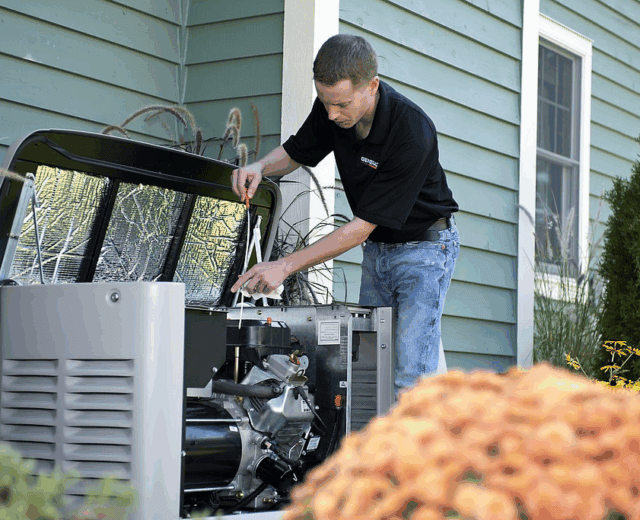
Credit: lenhartelectric.com
Standby Generator Basics
A standby generator is a device that provides power during an outage. It turns on automatically when the main power goes out. These generators help keep important appliances running without interruption.
Types Of Standby Generators
- Air-cooled generators:Smaller and less expensive, good for small homes.
- Liquid-cooled generators:Larger and quieter, suitable for big homes or businesses.
- Natural gas or propane models:Use cleaner fuels and run longer without refilling.
How Standby Generators Work
The generator connects to your home’s electrical system through a transfer switch. It senses power loss and starts within seconds. Power flows from the generator to your home until the main power returns. Then, the generator shuts off automatically.

Credit: www.angi.com
Indoor Installation Risks
Indoor installationof a standby generator carries serious risks.
Carbon monoxideis a deadly gas produced by generators. It is colorless and odorless. Without proper ventilation, it can build up inside the house and cause poisoning. This gas can lead to headaches, dizziness, or even death.
Fire and electrical dangersare also a concern. Generators run on fuel, which is flammable. Sparks or leaks could start a fire. Poor wiring or faulty connections can cause electrical shocks or damage to home appliances.
Ventilation challengesmake indoor use unsafe. Generators need fresh air for cooling and exhaust release. Without proper airflow, the engine can overheat or fill the room with toxic fumes.
Indoor Installation Requirements
Proper ventingis vital to prevent harmful gases from building up inside. Exhaust pipes must lead outdoors and be sealed tightly. Air intake vents help cool the generator and stop overheating.
Generators need enough spacearound them for safety and easy maintenance. Keep a clear area of at least 3 feet on all sides. Avoid placing the unit near flammable materials or tight corners.
- Use soundproof enclosuresor barriers to lower noise levels.
- Install rubber mountsto reduce vibration sounds.
- Choose models known for quiet operation.

Credit: aquariushomeservices.com
Alternative Installation Locations
Standby generators need space and fresh air. Placing them outside is common and safer. Outdoor spots reduce noise inside the home. They must be on a flat, stable surface. Keep the generator away from windows and doors to avoid fumes entering the house.
Garages offer some protection from weather but need good ventilation. Without fresh air, fumes can build up inside. Basements are not safe due to poor air flow and gas risks. They should be avoided for generator installation.
Using a soundproof enclosurehelps lower noise. These enclosures also protect the generator from rain and dust. Make sure the enclosure has vents to let air flow freely. This keeps the generator cool and working well.
Essential Safety Tips
Carbon monoxide detectorsare a must near any standby generator. They warn about dangerous gas levels. Place detectors in rooms next to the generator. Test them often to ensure they work properly.
Standby generators need regular maintenance checks. Check fuel, oil, and filters to keep the unit safe. Clean the area around the generator to avoid dust or debris buildup. Schedule maintenance at least twice a year for best results.
Professional installationis very important. Experts know how to install the generator safely. They follow local rules and prevent hazards. Never try to install a standby generator inside a house alone.
Legal And Code Considerations
Local building codesset rules for installing standby generators. These rules ensure safetyand proper operation. Codes vary by city and state, so check your area’s rules.
Permitsare usually required before installation. Inspectors visit to verify the work meets all codes. Without permits and inspections, installation may be illegal and unsafe.
Manufacturer guidelinesprovide specific instructions for installation. These include ventilation, clearance, and noise limits. Following these rules keeps the generator safeand working well.
Frequently Asked Questions
Can A Standby Generator Be Installed Inside A House?
No, it’s unsafe to install a standby generator inside a house. Generators emit carbon monoxide, a toxic gas. Proper ventilation is crucial. Always place generators outside, away from windows and doors. Ensure compliance with local building codes and manufacturer guidelines.
Consider hiring a professional for safe installation.
What Are The Risks Of Indoor Generator Installation?
Indoor generator installation poses serious risks like carbon monoxide poisoning and fire hazards. Generators require adequate ventilation to dissipate toxic fumes. Poor ventilation can lead to dangerous gas buildup. Additionally, heat and sparks from generators can ignite flammable materials, increasing fire risk.
Where Should A Standby Generator Be Placed?
Place a standby generator outside, at least 20 feet from windows and doors. Ensure it’s on a stable, level surface, away from flammable materials. Good ventilation is key to preventing carbon monoxide buildup. Always follow the manufacturer’s placement guidelines for optimal safety and performance.
Why Is Ventilation Important For Generators?
Ventilation prevents carbon monoxide buildup, a lethal risk from generator emissions. Proper airflow disperses toxic gases, ensuring safe operation. Without ventilation, carbon monoxide can accumulate rapidly indoors. Always position generators outdoors, away from enclosed spaces, to maintain air quality and safety.
Conclusion
Installing a standby generator inside your house is not safe or recommended. Generators produce harmful gases that can build up indoors. Always place generators outside in well-ventilated areas. Follow local rules and safety guidelines to protect your family. Choosing the right spot keeps your home safe during power outages.
Think about noise, fumes, and space before deciding. Safety matters most when using backup power sources. Stay informed and plan carefully to avoid risks.