
Are you considering running your standby generator in a shed, but aren’t quite sure if it’s safe or effective? You’re not alone.
Many homeowners like you are exploring this option, hoping to protect their equipment from the elements while maintaining efficient performance. But before you take the plunge, it’s crucial to understand the potential risks and benefits involved. Will proper ventilation make it a viable solution, or are there hidden dangers that could jeopardize your safety and investment?
We’ll unravel the truth about housing your generator in a shed with ventilation, giving you the confidence to make an informed decision. Stay with us as we guide you through the do’s and don’ts, ensuring your peace of mind and the longevity of your generator.
Generator Location Options
A standby generatorcan be placed indoors or outdoors. Outdoor placement is common. It keeps exhaust fumes away from living spaces. But outdoor units need protection from weather.
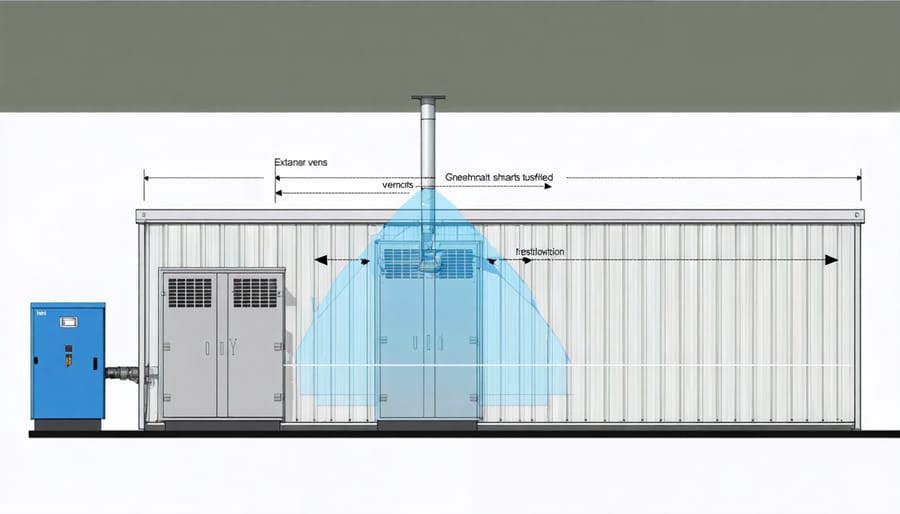
Indoor placement requires excellent ventilation. Without proper airflow, dangerous gasescan build up. A shed with good ventilation might work. The shed must have open ventsor fans to move air.
- Sheds protect the generator from rain and sun.
- Must check local rules about indoor generator use.
- Noise levels might be higher in a shed.
- Keep fuel and generator clear of anything flammable.
Safety is key. Proper setup prevents carbon monoxide poisoning. Always follow the generator’s manual and local codes.
Credit: storageshedsoutlet.com
Importance Of Ventilation
Proper airflowis essential for running a standby generator in a shed. The shed must have enough ventsto allow fresh air in and hot air out. This helps the generator work well without overheating.
Carbon monoxideis a dangerous gas from generators. Good ventilation prevents this gas from building up inside the shed. Never run a generator in a closed space. Even small amounts of carbon monoxide can be very harmful or deadly.
- Install vents on opposite sides of the shed.
- Use wide and open vents for better air flow.
- Check vents regularly to keep them clear.
- Place the generator away from walls to allow air around it.
Safety Concerns In Sheds
Running a standby generator in a shed raises serious fire risks. Sheds often have limited spaceand flammable materials. These increase the chance of fire. Generators produce hot surfacesand sparks. This can ignite nearby items like fuel, wood, or paint.
Fuel storage inside sheds adds more danger. Gasoline or diesel must be kept in proper containersand away from the generator. Any fuel leaks can cause explosionsor fires. Good ventilationis needed to prevent fuel fumesfrom building up. Fumes are highly flammableand toxic.
- Store fuel in cool, dry areasaway from sparks
- Ensure ventilationto remove fumes and heat
- Keep flammable materialsfar from the generator
- Check for fuel leaksregularly

Credit: truegear.com.au
Ventilation Solutions For Sheds
Good ventilationis key for running a standby generator in a shed. Installing vents and fans helps air move freely. This keeps the shed cool and stops dangerous gases from building up.
Vents should be placed near the floor and roof for proper air flow. Fans can push fresh air inside and pull hot air outside. This creates a safe space for the generator to run.
Exhaust extensions are useful for sending fumes far from the shed. They connect to the generator’s exhaust pipe. This stops harmful smoke from staying close to the shed or entering the building.
- Install intake and exhaust vents on opposite sides
- Use a fan to improve air flow inside the shed
- Fit exhaust extensions to direct fumes away
- Keep vents clear of obstructions
- Check ventilation regularly to ensure safety
Noise And Weather Protection
Running a standby generator in a shed requires good ventilationto avoid heat and fumes buildup. Noise can be a problem, so using soundproofing materialslike foam panels or heavy curtains helps lower sound levels. Placing the generator on a vibration-absorbing padreduces noise from shaking.
Protection from weather is key. The shed must keep rain, snow, and wind away from the generator. Using a roof overhangor waterproof barriersshields the generator from moisture. Good air flow prevents overheating while keeping the generator dry.
- Use foam or rubber mats for soundproofing.
- Install vents or fans for airflow.
- Add a roof extension for rain protection.
- Seal gaps to keep out wind and pests.
Maintenance And Monitoring
Regular inspections keep the standby generator safe and working well. Check for fuel leaks, damaged parts, and corrosion. Clean the shed to avoid dust build-up, which can harm the machine. Test the generator under load to confirm it runs smoothly. Record any issues and fix them quickly to prevent bigger problems.
Carbon monoxide detectors are a must in the shed. They alertyou if dangerous gas builds up. Place detectors near the generator and in areas where people enter. Change batteries regularly and test the alarms to ensure they work. Never ignore a carbon monoxide alarm. It protects lives.
Legal And Code Requirements
Local rules control the use of standby generators in sheds. They focus on ventilationand safe distancefrom buildings. Many areas require permitsbefore installation. Check with your local office to avoid fines or safety risks.
Manufacturer guidelines give clear instructions for shed use. They often say the shed must have proper airflow. The generator should not be in a tight, enclosed space. Following these rules helps avoid carbon monoxide buildupand overheating.
| Aspect | Key Points |
|---|---|
| Local Regulations |
|
| Manufacturer Guidelines |
|

Credit: truegear.com.au
Frequently Asked Questions
Can A Standby Generator Run Safely In A Ventilated Shed?
Yes, a standby generator can run safely in a shed with proper ventilation. Ventilation prevents heat buildup and disperses exhaust gases, reducing fire and carbon monoxide risks. Always follow manufacturer guidelines for clearance and airflow to ensure safe and efficient operation.
What Ventilation Is Needed For A Generator In A Shed?
Adequate ventilation requires openings that allow fresh air intake and exhaust gas exit. Use vents or fans to maintain airflow. Proper ventilation stops overheating and prevents dangerous gas accumulation, ensuring safe generator function inside the shed.
Is Carbon Monoxide Risk Higher With A Shed-installed Generator?
Carbon monoxide risk increases if exhaust gases are trapped. Proper ventilation and correct exhaust routing minimize this risk. Never run a generator in a fully enclosed space without ventilation or exhaust outlets to avoid carbon monoxide poisoning.
Can Weather Affect A Generator Running Inside A Shed?
Yes, weather can impact generator performance inside a shed. Proper ventilation helps regulate temperature and humidity, protecting the generator from overheating and moisture damage. A well-ventilated shed shields the generator from harsh weather while ensuring optimal operation.
Conclusion
Running a standby generator in a shed needs careful thought. Good ventilation keeps harmful gases away. Without enough airflow, fumes can build up quickly. Always check local rules before setting up. Safety comes first to protect your home and family.
A well-ventilated shed helps the generator work properly. Keep the area clean and clear of clutter. This simple step can avoid accidents and damage. Remember, a safe setup means peace of mind during power outages.