
Imagine a sudden power outage in your commercial building. The lights flicker, the computers go dark, and the hum of your business comes to a halt.
As you stand in the silence, the questions begin to swirl: How long will this last? What will happen to your productivity? The solution might be simpler than you think. Standby generators are gaining popularity as a reliable backup power source for commercial buildings.
But can they truly meet your business’s needs? We’ll explore how standby generators could be the key to keeping your operations running smoothly, even during unexpected blackouts. You deserve to know if this investment can safeguard your business from costly interruptions. Dive in, and discover whether standby generators are the right choice for your commercial building.

Credit: americasgenerators.com
Benefits Of Standby Generators For Commercial Buildings
Standby generators ensure uninterrupted power for commercial buildings during outages. They protect business operations, prevent data loss, and maintain safety systems. Reliable power supply keeps customers satisfied and employees productive.
Continuous Power Supply
Standby generatorsprovide a reliable power source. They kick in during power outages. This ensures that all operations continue smoothly. No disruptions mean happy customers and employees. A business can operate without worries about losing power.
Operational Efficiency
Generators keep machines and computers running. This helps in maintaining productivity and efficiency. Employees can work without interruptions. Important data remains safe and secure. The business stays open, even during storms or blackouts.
Cost Savings
Standby generators reduce costs from power outages. Businesses avoid losses from spoiled goods or halted production. Investing in a generator can save money in the long run. It offers a quick return on investment by preventing potential losses.
Types Of Standby Generators
Diesel generators are very strong and reliable. They run on diesel fuel. They are often used for big buildings. These generators can work for a long time without stopping. Diesel generators are usually more durable than other types. They need regular care to keep working well. The fuel is easy to store, but it can be smelly.
Natural gas generators use gas from pipelines. They are cleaner than diesel generators. These are great for places with gas supply. Natural gas is often cheaper than diesel. They are quieter and produce less smoke. These generators are good for the environment. But, they can stop working if the gas supply fails.
- Portable generatorsare small and easy to move. They are good for small needs and short time use. They can be used anywhere with a power outlet.
- Permanently installed generatorsare fixed in one place. They are big and strong. These are best for large buildings and long time use. They turn on automatically when the power goes out.
Key Features To Consider
Power capacityis crucial for commercial buildings. Generators must meet building needs. Check the generator’s wattage. Ensure it matches your building’s demand. Larger buildings need more power. Smaller buildings may need less. Always consider peak usage times. This ensures you have enough power.
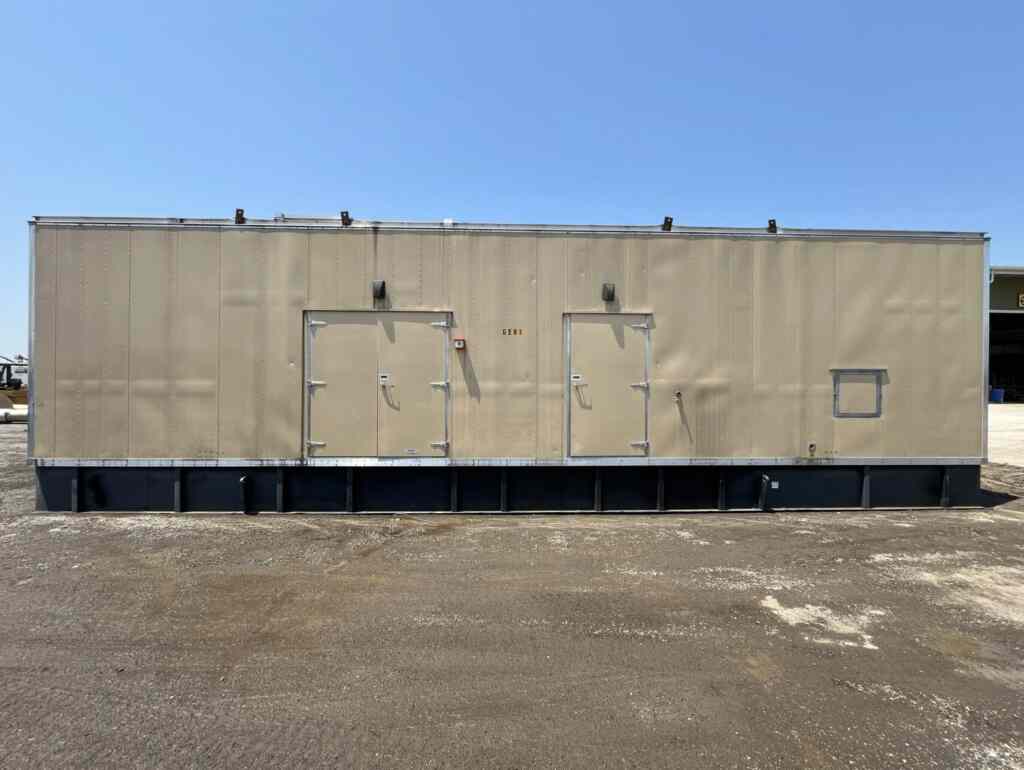
An automatic transfer switchis vital. It helps switch power quickly. No manual action needed. This ensures continuous power flow. It protects sensitive equipment. Reduces downtime during power outages. Keeps operations smooth and running.
Noise levelscan affect work. Choose generators with low noise. High noise can disturb workers. It can also affect nearby businesses. Check decibel ratings before buying. Quiet generators are better for urban areas.
Credit: turnkey-industries.com
Installation And Maintenance
Standby generators provide essential backup power for commercial buildings during outages. Proper installation ensures seamless operation when needed. Regular maintenance keeps the system reliable and efficient.
Professional Installation
Standby generators need expert installation for safety. Professionals know the best practices. They ensure the generator is properly connected. This prevents electrical hazards. Their experience helps in choosing the right spot for installation. This avoids disruptions and ensures efficiency.
Regular Maintenance Checks
Generators need regular maintenance checks. This ensures they work when needed. Professionals check oil levels and battery. They inspect for wear and tear. Regular checks prevent big problems. This saves money and keeps the building safe.
Safety Protocols
- Always follow safety guidelines.
- Ensure proper ventilation.
- Keep away from flammable materials.
- Have a fire extinguisher nearby.
- Train staff on emergency procedures.
Environmental Impact
Standby generators can power commercial buildings, reducing downtime during outages. But they may increase emissions, impacting the environment. Balancing efficiency and eco-friendliness is crucial for sustainable use.
Emissions Control
Standby generators can produce harmful emissions. These include carbon dioxide and nitrogen oxides. It’s important to use modern generators. They come with advanced emissions controltechnology. This helps reduce pollution. Regular maintenance is essential. It ensures the generator runs efficiently. Efficient running means fewer emissions. This benefits the environment and human health.
Eco-friendly Options
There are eco-friendly generators available. These use cleaner fuel types. Options include natural gas or biogas. These fuels emit less pollution. Solar-powered generators are another choice. They use the sun’s energy. This means no emissions at all. Choosing these options helps protect the planet. It’s a responsible choice for businesses.

Credit: woodstockpower.com
Financial Considerations
Assessing costs is crucial for using standby generators in commercial buildings. Consider purchase price, installation, and maintenance expenses. Evaluate potential savings during power outages.
Initial Investment Costs
Installing a standby generator costs a lot. Prices depend on size and brand. Bigger generators cost more but provide more power. Small businesses might need smaller units. Consider installation fees and permits, too. These add to the total cost.
Long-term Savings
Generators help save money over time. They prevent work stoppages during outages. Businesses can stay open and earn money. Less downtime means fewer losses. Generators also protect valuable equipment. Repairs can be expensive without power.
Government Incentives
Some governments offer money help. This is for buying and installing generators. They want more businesses to use them. Incentives lower the initial costs. Check local programs and rules for details. Savings can be big with these programs.
Real-world Applications
Standby generators keep stores running during power cuts. They help hospitals continue important work. Schools use generators to keep classes going. These examples show real-world applications. Many buildings need reliable power backup.
- Factories use standby generators to keep machines working.
- Offices use them to keep computers on.
- Construction sites use generators to power tools.
- Data centers use generators for servers.
- Hotels use them to keep guests comfortable.
Frequently Asked Questions
What Are The Types Of Generators For Commercial Buildings?
Commercial buildings use diesel, natural gas, and bi-fuel generators. Diesel generators are reliable and cost-effective. Natural gas generators are eco-friendly with lower emissions. Bi-fuel generators provide flexibility, using both diesel and natural gas. Each type suits different needs based on fuel availability and environmental considerations.
What Are The Rules For Standby Generators?
Standby generators must adhere to local building codes and manufacturer guidelines. Proper installation, regular maintenance, and compliance with noise regulations are essential. Ensure safe distance from structures and proper fuel storage. Hire a certified professional for installation to meet legal requirements and ensure safety.
What Are The Disadvantages Of A Standby Generator?
Standby generators can be expensive to purchase and maintain. They require regular maintenance and fuel storage. Noise pollution can be an issue. Installation involves complex electrical work. Environmental concerns arise from emissions. These generators may also have limited fuel options.
Do I Need A Permit To Install A Standby Generator?
Yes, a permit is typically required to install a standby generator. Check local regulations for specific requirements. Ensure compliance with building codes and electrical standards. Contact your local authorities or a licensed electrician for guidance on obtaining necessary permits and approvals for installation.
Conclusion
Standby generators offer reliable power for commercial buildings. They ensure operations continue smoothly during outages. Choosing the right generator depends on your building’s specific needs. Consider fuel type, power capacity, and installation requirements. Regular maintenance is essential to keep generators running efficiently.
Investing in a standby generator can prevent costly downtime. It’s a practical solution for businesses that rely on continuous power. Explore options and consult professionals for the best fit. A well-chosen generator safeguards your business from unexpected power disruptions.