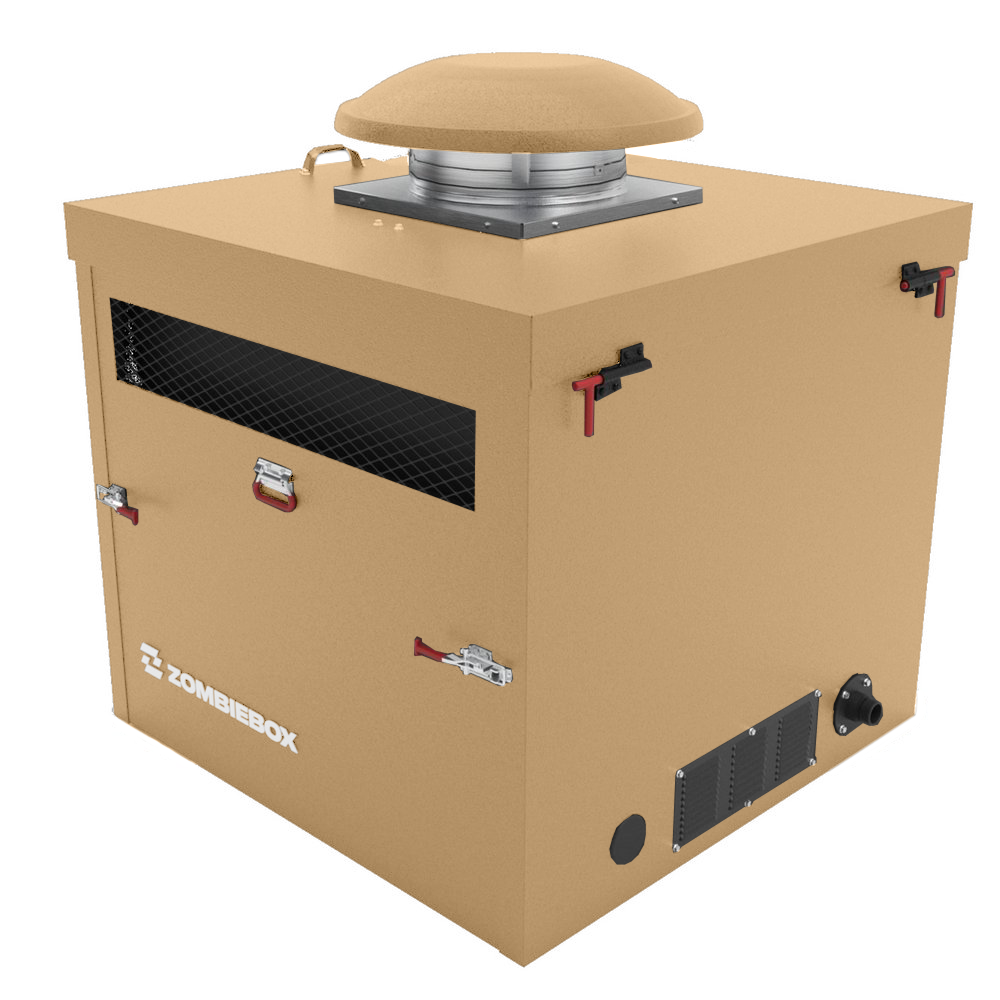
Imagine hosting an event without worrying about unexpected power outages. When you plan your special occasion, be it a wedding, concert, or corporate gathering, the last thing you want is for the lights to flicker and the microphones to go silent.
That’s where standby generators come into play. You might be wondering, “Can standby generators really be used for events? ” The short answer is yes, and they can be a game-changer for your event planning. Picture this: a seamless flow of activities, uninterrupted speeches, and music that keeps everyone on their feet.
With standby generators, you ensure that your event runs smoothly, no matter what. It’s not just about keeping the lights on—it’s about peace of mind. You’ll discover how these powerful machines can be your event’s best ally, providing reliability and flexibility. Dive in to find out how standby generators can transform your event into an unforgettable experience.
Benefits Of Standby Generators For Events
Standby generators ensure events run smoothly by providing reliable power. They eliminate interruptions, keeping lights and sound systems active. Portable and efficient, these generators are ideal for outdoor events, ensuring a consistent power supply.
Standby generators provide a steady power supply. Events need constant electricity for lights and sound. These generators ensure everything runs smoothly. No more power cuts during important moments. These generators are simple to operate. They start automatically during power failures. This feature makes them user-friendly for event organizers. No need for technical skills. Standby generators run quietly. This means they won’t disturb the event. Guests can enjoy speeches and music without background noise. Some generators are eco-friendly. They use clean energy sources. This helps reduce pollution at events. Choosing green options shows care for the earth. Using standby generators can save money. They prevent losses due to power failures. Investing in them is a smart choice for event planners. `
Credit: www.nytimes.com
Types Of Standby Generators
Standby generators can power events like weddings or outdoor concerts efficiently. Portable and fixed standby generators offer reliable energy solutions. These generators ensure a smooth experience, keeping all equipment running.
Portable Generators
Portable generators are small and easy to move. They are perfect for small events. These generators provide enough power for lights and music. They are affordableand easy to set up. But they can be noisy and need fuel often. Suitable for outdoor gatherings or camping trips. Always keep them away from wet areas.
Industrial Generators
Industrial generators are much bigger and stronger. They can power large events like concerts or fairs. These generators provide consistentenergy for many hours. They are usually rented from special companies. Installation can be complex and may require experts. They ensure that big events run smoothly without power breaks.
Power Needs Assessment
Standby generators offer reliable power solutions for events, ensuring uninterrupted energy supply. They cater to various needs and sizes, providing flexibility in planning and execution. Perfect for outdoor gatherings, they help avoid disruptions and maintain smooth operations.
Event Size Considerations
Understanding the size of your event is crucial. Small events need less power. A few lights and speakers might be enough. Large events require more power. Think about more lights, sound systems, and other devices. Medium events fall in between. Always know your event’s power needs. This ensures you choose the right generator.
Electrical Equipment Requirements
Make a list of all electrical equipment. Add up the power each device needs. Lights, speakers, and kitchens may use a lot. Ensure your generator can support the total power. Don’t forget extra power for unexpected needs. This keeps your event running smoothly. Safety comes first when choosing power sources.
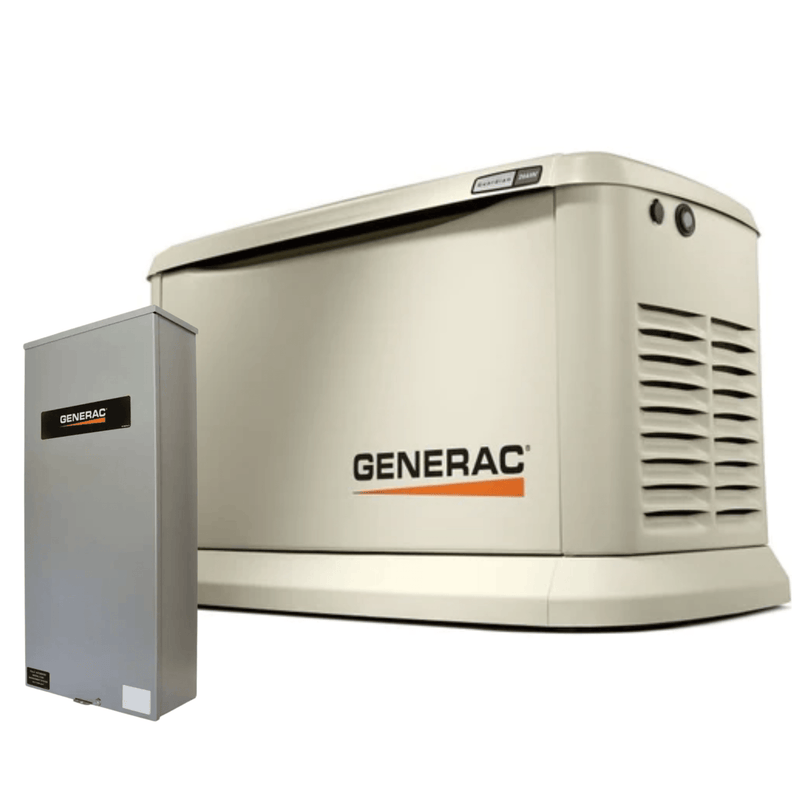
Credit: solarpowerstore.ca
Safety Measures
Standby generators need correct installation for safety. Hire a professional for this task. The generator must be placed on a flat surface. It should be away from windows and doors. This avoids harmful fumes entering buildings. Check fuel lines for leaks regularly. Use only approved extension cords. This prevents electrical accidents. Follow the manufacturer’s manual for guidance.
Managing load is important for generator safety. Know the power limit of your generator. Do not overload it with too many devices. Use only necessary equipment during power outages. Turn off devices that are not needed. This saves energy and keeps the generator safe. Monitor the power usage constantly. Adjust the load as needed. This ensures the generator works well for the event.
Environmental Impact
Standby generators can power events, providing reliable electricity. They support lighting, sound systems, and catering equipment. Choosing eco-friendly models reduces emissions and noise, ensuring minimal environmental impact.
Noise Pollution
Standby generators can be quite noisy. The noise can bother people nearby. It’s important to use quiet models for events. Some generators have special covers. These covers help reduce noise. Placing generators far from people also helps. Trees and walls can block some sound. Always check local rules about noise levels.
Emissions Control
Generators burn fuel and create emissions. These can harm the environment. Using cleaner fuels like propane is better. Some generators have filters to reduce emissions. It’s important to maintain generators well. This keeps emissions low. Event planners should consider eco-friendly options. Choosing the right generator helps the planet.

Credit: www.cummins.com
Cost Considerations
Evaluating the cost of using standby generators for events involves several factors. Consider fuel expenses, rental fees, and maintenance costs.
Rental Costs
Renting a generator for an event can be expensive. Costs vary based on size and duration. Large generators cost more to rent than smaller ones. Check rental agreements for hidden fees. Delivery and setup might add extra charges. Budget carefully to avoid surprises.
Fuel Efficiency
Fuel efficiency is important for cost savings. Generators use different types of fuel. Diesel generators are often more efficient than gasoline ones. Plan ahead for fuel needs. Efficient fuel use keeps costs down. Monitor fuel levels during the event.
Regulations And Permits
Standby generators can power events, but check local regulations and permits first. Compliance ensures safety and avoids penalties.
Local Laws
Standby generators need approval from local authorities. Each area has different rules. Some places require special permits. Always check with the local government office. This helps avoid penalties and ensures safety. Follow the guidelines for noise levels. Generators can be loud and disturbing. Respect the community standards.
Inspection Requirements
Regular inspections are crucial for safe use. Inspectors check if the generator is safe. They look for any faults or damage. A well-maintained generator is reliable. Some events might need a certificate of inspection. Always keep the generator clean and functional. This ensures it runs smoothly during the event.
Choosing The Right Generator
Choosing the right generator for events is important. Power output must match the event’s needs. A small event might need a 5kW generator. Bigger events need more power, like 20kW or more. Always check the equipment power needs. Lights, speakers, and stages need different power levels. Make sure the generator can handle all at once. Overloading a generator can cause damage. It’s best to have a generator with a bit more power than needed.
Generators should be durable for outdoor events. Weather can change quickly. A sturdy generator can handle rain or wind. Look for generators with a strong frame. These last longer and perform better. A good generator should have a reliable engine. This ensures it runs smoothly throughout the event. Regular maintenance also helps in keeping the generator durable.
Setup And Maintenance
Standby generators provide reliable power for events, ensuring everything runs smoothly without interruptions. Regular maintenance is crucial to keep them in top condition, ready to handle unexpected power needs. These generators are a dependable choice for outdoor gatherings, weddings, and festivals.
Initial Setup
Setting up a standby generator is simple. First, choose a safe location. The generator should be outdoors and away from windows. Next, connect it to the event’s power source. Make sure all connections are tight and secure. Check the fuel level before starting the generator. It should have enough fuel for the entire event. Finally, start the generator and test it. Ensure all equipment receives power.
Routine Checks
Regular checks keep the generator working well. Check the oil level each time you use it. Add oil if needed. Look for any leaks or strange noises. Clean the generator to remove dust and debris. Make sure filters are clean and working. Test the generator monthly, even if not used. This keeps it ready for any event.
Common Challenges And Solutions
Standby generators can face issues like noise and fuel supply during events. Quiet models and reliable fuel sources help. Proper planning ensures power needs are met without interruption.
Weather Conditions
Bad weather can cause big problems for events. Rain and strong winds can damage equipment. Generators must be protected from water. Use a tent or cover to keep them dry. Check the weather forecast before the event. This helps in planning better. A good plan can prevent many problems. It is important to have a backup plan ready.
Technical Failures
Generators can sometimes stop working. This can be due to technical issues. Regular maintenance can help prevent this. Always check the generator before the event. Keep spare parts ready just in case. Hire a technician to be on site. This ensures quick fixes if anything goes wrong. A little care can save a lot of trouble.
Frequently Asked Questions
What Are The Rules For Standby Generators?
Standby generators must comply with local zoning, noise regulations, and installation standards. Ensure proper ventilation and regular maintenance. Secure permits if required and follow manufacturer guidelines for safe operation. Always hire a professional for installation to meet legal and safety standards.
What Size Generator Do I Need For An Event?
Determine generator size based on event equipment wattage. Calculate total wattage, then add 20% for extra capacity.
What Are The Disadvantages Of A Standby Generator?
Standby generators can be expensive to purchase and install. They require regular maintenance and fuel storage. Noise pollution and emissions can be concerns. Limited capacity may not support all appliances during outages. They occupy space and require professional handling for repairs.
What Are Standby Generators Used For?
Standby generators provide backup power during outages. They ensure continuous electricity for homes, businesses, and essential services. These generators automatically activate, preventing disruption to daily activities and safeguarding critical systems. Ideal for regions with frequent power cuts, they enhance security and convenience by maintaining normal operations during emergencies.
Conclusion
Standby generators offer great benefits for events. They ensure reliable power supply. No worries about power outages. Setting them up is simple. They suit both indoor and outdoor events. Consider fuel type and generator size. Evaluate noise level for guest comfort.
Plan ahead for smooth operation. Renting is a flexible option. Purchase for frequent events. Understand regulations and safety measures. Choose wisely for uninterrupted celebrations. Standby generators bring peace of mind. Event success is within reach. Consider them for your next gathering.