
Imagine waking up to the sound of silence on your farm, not the peaceful kind, but the unsettling quiet that comes with a power outage. You rely on electricity to keep your farm running smoothly, from powering essential equipment to maintaining the right environment for your livestock.
But when the grid goes down, your farm’s productivity and your peace of mind can be at risk. Here’s the good news: standby generators can be your farm’s lifeline during power outages. These powerful machines are designed to kick in automatically when the electricity fails, ensuring that your farm continues to operate without a hitch.
But how do they work, and are they truly suited for the demanding needs of a farm? You’ll discover the benefits, considerations, and the potential impact of using standby generators on your farm. Whether you’re concerned about protecting your harvest or maintaining the well-being of your animals, understanding how standby generators can be integrated into your farm’s operations might just be the solution you’ve been searching for. Stay with us to learn how you can keep your farm running smoothly, even when the lights go out.
Benefits Of Standby Generators For Farms
Standby generators keep farms running smoothly. They provide a continuous power supplyduring outages. Farmers can rely on them for lightingand equipment operation. This ensures animals and crops remain safe. Reliable power is crucial for daily farm activities.
Generators help avoid costly downtime. Farms lose money when machines stop. Standby generators minimize these interruptions. They keep machines working during power cuts. This helps maintain production schedules. Farms can deliver products on time.
Power outages can harm farm equipment. Sudden stops damage machines. Generators provide a smooth transition during outages. This protects valuable farm machinery. Equipment lasts longer and works better with a generator.
Types Of Standby Generators Suitable For Farms
Standby generators are essential for farms, ensuring power during outages. Diesel generators provide durability and efficiency. Propane generators offer cleaner emissions and easy fuel storage. Solar-powered options deliver sustainable energy solutions, ideal for eco-friendly operations.
Diesel Generators
Diesel generatorsare strong and reliable for farms. They use diesel fuel to produce power. These generators work well in tough conditions. They can run for long hours without stopping. Diesel generators are also cost-effectiveover time. They need regular maintenance to stay in good shape. But they are worth the effort. Farms with big power needs choose these generators. They are a popular choice for many farmers.
Gas Generators
Gas generatorsuse natural gas or propane. They are a great choice for farms. Gas is usually cleaner than diesel. These generators are quieter, making them farm-friendly. They start up quickly and work well in emergencies. Gas generators often cost less than diesel ones. They are good for smaller farms with less power demand. Easy to install and use.
Solar-powered Generators
Solar-powered generatorsuse the sun’s energy. They are eco-friendly and save money. Solar panels collect sunlight and turn it into power. Farms can use this power all day. These generators are quiet and have low maintenance needs. They are great for farms with plenty of sun. No fuel costs make them a smart choice. Solar power helps farms become more sustainable.
Factors To Consider When Choosing A Generator
Choosing a standby generator for farms involves considering power needs and fuel availability. Size and maintenance requirements are crucial. Ensure it can handle essential farm operations and has a reliable fuel source.
Power Output Requirements
Choosing the right power output is crucial for farms. Generators should meet all electrical needs. Calculate total power by adding all devices’ wattage. Consider a generator with a bit more power. This covers future needs and unexpected surges. Having extra power ensures smooth operations. No device will stop due to low power.
Fuel Availability
Fuel type is important for generator choice. Diesel, propane, and natural gas are options. Check local fuel availability. Choose the most accessible and affordable fuel type. Reliable fuel supply ensures the generator runs when needed. Consider storage options and safety for fuels. Proper storage avoids accidents and ensures fuel longevity.
Installation And Maintenance
Professional installation is key for safe generator use. Experts ensure correct setup and compliance with regulations. Regular maintenance keeps generators in top shape. This prevents unexpected breakdowns. Schedule regular checks to ensure the generator works when needed. Proper care extends the generator’s life and efficiency.
Generator Maintenance Tips
Standby generators offer reliable power for farms during outages. Regular maintenance ensures they perform efficiently. Check fuel levels, clean filters, and inspect connections to keep them ready.
Regular Inspections
Check the generator parts regularly. Look for any signs of wear or damage. It’s important to catch issues early. Always keep the area around the generator clean. Inspect all wires and connections carefully. Make sure there are no loose parts.
Oil And Filter Changes
Change the oil every 50-60 hours of use. This keeps the engine running smoothly. Replace the filters at the same time. Clean filters help maintain engine efficiency. Use the right type of oil for your generator. Always follow the manufacturer’s guidelines.
Battery Checks
Ensure the battery is charged fully. Check for corrosion on battery terminals. Clean terminals if needed. Test the battery regularly to ensure it’s working. Replace old batteries promptly. A strong battery is vital for reliable operation.
Safety Measures For Using Generators On Farms
Standby generators can be vital for farms, ensuring power supply during outages. Safety measures include keeping generators dry and using them outdoors to prevent carbon monoxide poisoning. Regular maintenance and proper installation are essential for safe operation.
Proper Ventilation
Generators need air to work safely. Keep them in open spaces. Avoid using them in closed areas. This prevents harmful gases from building up. Fresh air keeps everyone safe.
Avoiding Overloading
Never connect too many devices to the generator. This can cause overheating. Check the power limit before use. Use only what the generator can handle. This keeps the generator from breaking.
Emergency Shutdown Procedures
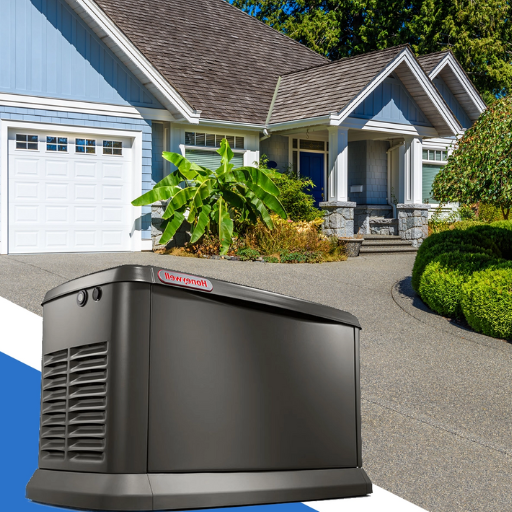
Have a plan for quick shutdowns. Know where the off switch is. Train workers to turn off the generator fast. Practice emergency drills regularly. This helps during unexpected events.
Credit: shgeneratorset.com
Cost Considerations
Standby generators can be expensive. They need a big upfront payment. These machines are strong and reliable. Farms must plan their budget carefully. The generator needs to be big enough for the farm. Size and power affect the price. Installation costs add to the total. Farmers should find a trusted installer.
Once installed, operational costs start. Fuel is a major expense. Generators need regular maintenance. Routine checks prevent problems. Generators need oil changes. Parts might wear out. A service plan can help manage costs. Proper care extends the generator’s life.
Investing in a generator can save money long-term. It keeps the farm running during power outages. Crops and livestock need constant care. A generator helps prevent losses. It ensures steady production. Farms can avoid the costs of spoiled goods. Peace of mind is valuable.
Environmental Impact
Standby generators can produce harmful emissions. These include carbon dioxideand nitrogen oxides. These gases can hurt the environment. They can also affect air qualityon farms. Using clean energysources can help reduce emissions. Regular maintenance can also lower pollution.
Some generators use eco-friendly fuels. These include biofuelsand natural gas. Solar panels can also be a sustainable choice. Wind turbines can help too. These options are better for the earth. They produce less pollution and are more environmentally friendly.
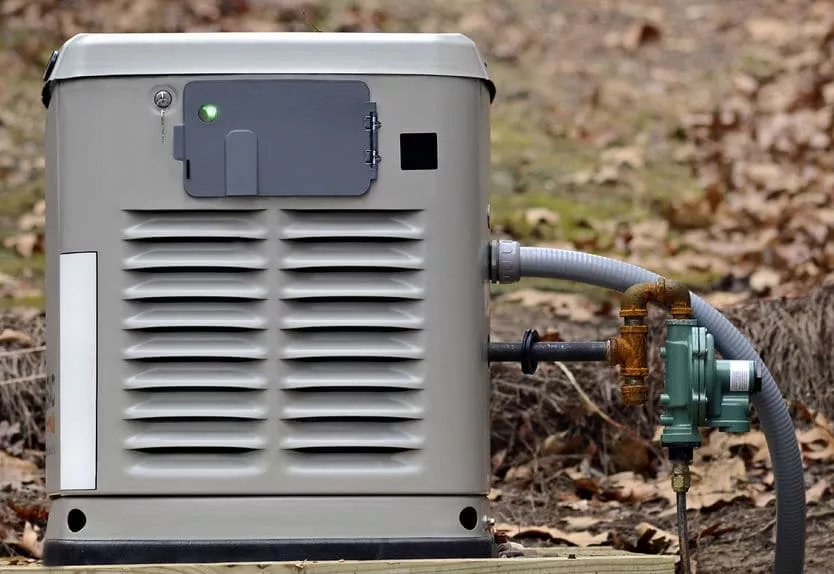
Generators must meet government rulesfor emissions. Farms must follow these regulations. This ensures safetyand protects the environment. Check local laws before buying a generator. Regular checks can ensure compliance. Following rules can prevent fines and ensure peace of mind.
Credit: www.premium-electric.ca
Case Studies Of Farms Using Generators
Many small family farms use standby generators. These generators keep essential equipment running. They ensure the farm continues to work even during power outages. Farmers can operate barn lights and water pumps. This helps in caring for animals and crops. Generators offer peace of mind to families.
Large commercial farms require high-power generators. These farms have many machines. Generators help in running irrigation systems and processing equipment. They prevent loss of valuable produce. Generators are vital during storms. They keep operations smooth and prevent downtime.
Organic farms benefit from eco-friendly generators. They choose solar-powered options. These generators are clean and sustainable. They support green practices of the farm. Organic farms often rely on natural methods. Generators help when natural resources are low. They ensure farms stay productive.
Credit: www.generac.com
Frequently Asked Questions
What Are The Disadvantages Of A Standby Generator?
Standby generators can be costly to purchase and install. They require regular maintenance for optimal performance. Noise can be an issue during operation. Fuel storage and consumption may pose logistical challenges. Environmental concerns arise due to emissions. Reliability can be affected by weather conditions.
What Are The Rules For Standby Generators?
Standby generators must comply with local codes and regulations. Ensure proper installation and maintenance. Keep exhaust clear and avoid indoor use. Follow manufacturer guidelines for safe operation and regular testing. Maintain adequate fuel supply and ensure ventilation for cooling. Always prioritize safety when handling or operating generators.
Do I Need A Permit To Install A Standby Generator?
Yes, a permit is usually required to install a standby generator. Check local regulations for specific requirements. Contact your local building authority or permit office to ensure compliance. Proper installation ensures safety and reliability.
What Size Generator Do I Need For My Farm?
To determine the generator size for your farm, calculate the total wattage of essential equipment. Consider future expansion and choose a generator with a slightly higher capacity. Consult with a professional for precise recommendations. A typical farm may need a generator ranging from 10kW to 50kW, depending on equipment.
Conclusion
Standby generators are a smart choice for farm operations. They ensure continuous power during outages. This keeps essential equipment running smoothly. Protecting livestock and crops becomes easier. Farmers can avoid costly disruptions. Choosing the right generator is crucial. Consider your farm’s power needs.
Also, think about the fuel type and size. Regular maintenance is key to reliable performance. With careful planning, generators provide peace of mind. They support farm productivity and safety. So, explore options that fit your farm best. Stay powered, stay productive.