Imagine a storm hits and the rain is relentless. Water begins to rise, and your basement is at risk of flooding.
Suddenly, the power goes out. Your sump pump, a crucial line of defense against water damage, stops working. It’s a scenario no homeowner wants to face. But what if you had a standby generator ready to kick in? Could it keep your sump pump running smoothly when the grid fails?
You might be wondering if investing in a standby generator is worth it for this specific purpose. We’ll explore whether standby generators can reliably power sump pumps during critical moments. Understanding this could save you from costly damages and give you peace of mind. So, let’s dive deeper and find out how you can protect your home effectively.
Standby Generator Basics
Standby generators can efficiently power sump pumps during outages. They ensure continuous protection from basement flooding. Proper sizing is crucial for effective operation.
Types Of Standby Generators
Standby generators are helpful during power cuts. They come in two main types: portable and permanent. Portable generators are easy to move and set up. Permanent generators are fixed in place and start automatically. Portable ones need manual fuel filling. Permanent ones connect directly to the home’s gas line. Choosing the right type depends on needs and budget.How Standby Generators Work
Standby generators have an engine and an alternator. The engine uses fuel to run. It can be gas, diesel, or propane. The alternator turns the engine’s power into electricity. When the main power fails, the generator starts. It powers essential devices like lights and sump pumps. This ensures that homes stay safe and dry during storms. `
Credit: reid-pederson.com
Sump Pump Requirements
Sump pumps need electricity to work. They use different power levels. Many pumps need around 800 to 1500 wattsto start. Running them needs less power, about 500 watts. It is essential to check your pump’s power needs. This helps in choosing the right generator. Some pumps need more power. Larger homes might have bigger pumps. These use even more electricity.
- Pedestal Pumps: These have motors above the sump pit.
- Submersible Pumps: These sit inside the sump pit.
- Battery Backup Pumps: Useful during power outages.
Each type has its own power needs. Always check the pump’s label. Make sure your generator can support it.
Generator-sump Pump Compatibility
Standby generators must match the sump pump’s power needs. A small generator might not run the pump well. Always check the generator’s wattageand the pump’s power requirements. This ensures they work together smoothly. Generators should have a bit more power than the pump needs. This extra power keeps the pump running during a surge.
Sump pumps need steady power to work well. Generators must provide constant electricity. This keeps the pump efficient during heavy rains. Check if the generator has enough fuel capacity. This ensures it runs long enough during storms. Use a generator with a fuel-efficient engine. It saves fuel and keeps costs down.
Installation And Setup
Installing a standby generator ensures your sump pump runs smoothly during power outages. Reliable power backup keeps your basement dry. Proper setup guarantees efficient operation, safeguarding your home from water damage.
Connecting Generators To Sump Pumps
Standby generators can connect to sump pumps easily. First, find the power outleton the generator. Plug the sump pump’s cord into the outlet. Ensure the cord is secure and tight. This prevents accidental disconnection. Check the generator’s power rating. It should match the sump pump’s needs. Use a transfer switch for safe connections. This helps avoid electrical overloads.
Professional Installation Tips
- Hire a licensed electrician for setup.
- Ensure all wires are properly insulated.
- Place the generator outside for safety.
- Use a protective cover to shield from rain.
- Test the setup after installation.
- Ensure the generator is fuelled and ready.
Benefits Of Using Standby Generators
Standby generators ensure continuous power for sump pumps during outages, preventing basement flooding. Reliable backup keeps homes safe and dry.
Reliability During Power Outages
Standby generators provide consistent powerwhen the lights go out. They ensure that important devices like sump pumpskeep running. This prevents water damage in your home. Generators start automatically during outages. No need to manually turn them on. They are dependableeven during long power cuts. You can trust them to work when needed.
Peace Of Mind
Having a standby generator gives families peace of mind `
Potential Challenges
Compatibility issues may arise between standby generators and sump pumps. Power surges can disrupt the pump’s operation. Proper installation and maintenance are crucial to ensure reliable performance.
Maintenance Concerns
Standby generatorsneed regular care. They have parts that can wear out. If not checked, they may fail during storms. It’s important to test them often. Batteriesmust be charged. Fuel levels need monitoring. Filters get dirty. Scheduled maintenancecan prevent problems. This ensures the generator works when needed.
Cost Implications
Standby generatorsare expensive to buy. Installation costs a lot too. Fuel expensesadd up over time. Parts and repairs can be pricey. Regular service costs money. These expenses should be considered. It’s important to budget for these costs. This helps avoid surprises later.
Alternative Solutions
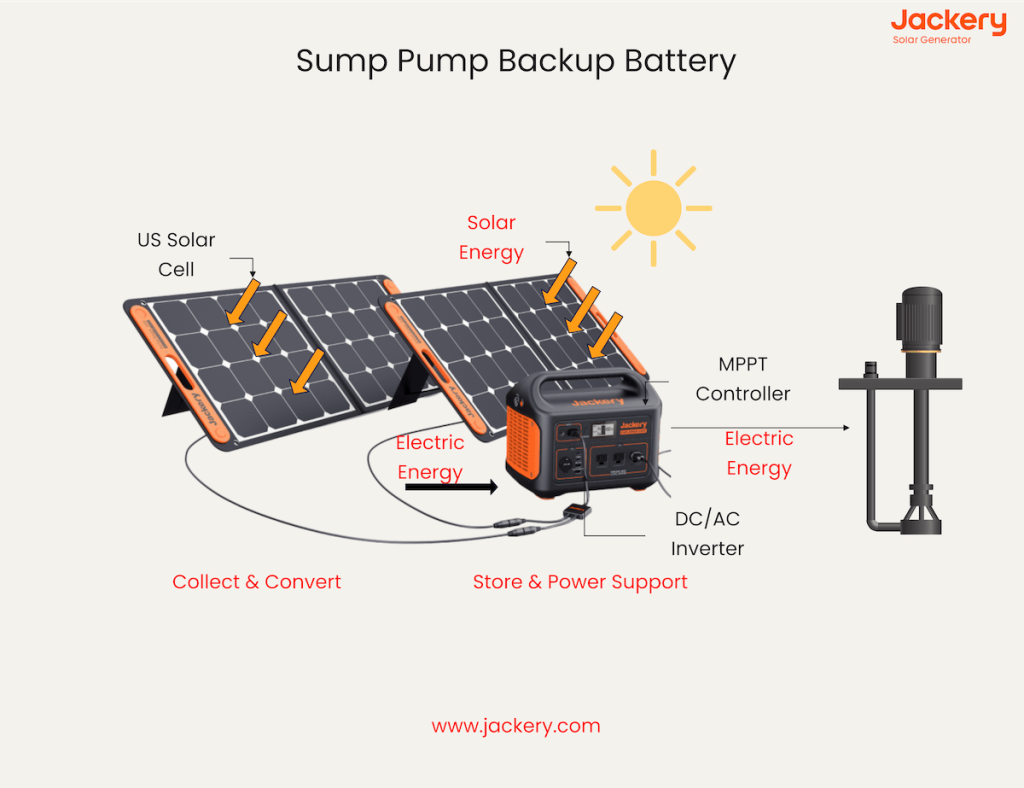
Battery backup systems are great for sump pumps. They keep the pump running during power outages. These systems are easy to install and use. Batteries store energy to power the pump when needed. Ensure the battery is charged regularly. Check the battery condition often. This prevents sudden failures. A reliable battery is key.
Manual pumps do not rely on electricity. They can be used anytime. Hand pumps are one type. They are simple to operate. Another option is foot pumps. They use leg power to move water. Both types are portable. Keep a manual pump nearby. It is useful during emergencies. Easy to store and carry.

Credit: www.tiktok.com

Credit: www.familyhandyman.com
Frequently Asked Questions
How Big Of A Generator Do I Need To Run My Sump Pump?
Select a generator with at least 1000 to 2000 watts capacity. Ensure it matches your sump pump’s wattage requirements. Check the pump’s starting and running watts to determine the exact size. Always choose a generator slightly above the required wattage for efficiency and safety.
How Long Will A Jackery 2000 Run A Sump Pump?
A Jackery 2000 can power a sump pump for approximately 4 to 8 hours. This depends on the pump’s wattage and usage. Always check the pump’s power requirements for accurate runtime estimates. Regular maintenance of both the Jackery and sump pump ensures optimal performance and efficiency.
Will A 1000 Watt Generator Run A Sump Pump?
A 1000 watt generator can typically run a sump pump. Check your pump’s wattage requirements first. Most pumps need 600-1000 watts. Ensure your generator supports the pump’s starting wattage. Verify compatibility for optimal performance. If uncertain, consult the manufacturer’s specifications for your specific sump pump and generator model.
How Long Will A 12v Battery Run A Sump Pump?
A 12V battery typically powers a sump pump for 4 to 6 hours continuously. Battery life varies based on pump size, battery capacity, and usage frequency. Regular checks and maintenance can extend battery life. Always ensure your battery is fully charged for optimal performance during emergencies.
Conclusion
Standby generators can efficiently power sump pumps during outages. They offer a reliable backup solution. No need to worry about basement flooding. Choose the right size generator for your sump pump. Always check your generator’s capacity. Ensure proper installation and maintenance.
This keeps everything running smoothly. Generators provide peace of mind during storms. Protect your home with this valuable tool. Investing in a standby generator is wise. Stay prepared and confident. Keep your sump pump working when you need it most.