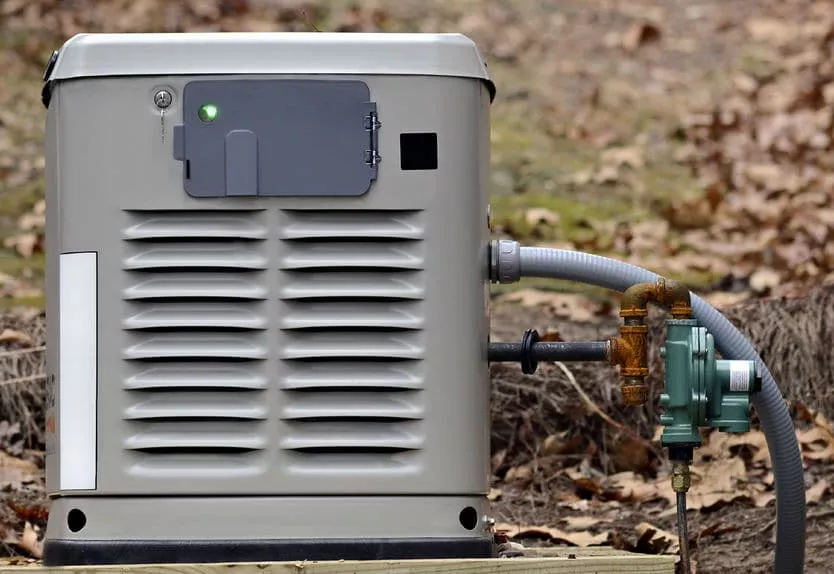
Are you considering a standby generator for your home or business? Perhaps you’re wondering if it can run full time, providing a seamless power supply without interruptions.
Understanding the capabilities of standby generators is crucial, especially when you need reliable power. This article will unravel the facts about running standby generators continuously, shedding light on their performance, potential risks, and cost implications. Keep reading to discover whether a standby generator could be your ultimate power solution, offering peace of mind when it matters most.

Credit: www.angi.com
How Standby Generators Work
Standby generators turn on automaticallyduring power outages. They sense when the main power fails and start running within seconds. This ensures homes and businesses keep power without delay.
These generators run on various fuel sources. Common options include:
- Natural gas– easy to connect if available at home.
- Propane– stored in tanks, good for places without gas lines.
- Diesel– powerful and reliable, but needs fuel storage.
Power output depends on the generator size. Small units provide enough power for essential devices. Larger models can support entire homes or businesses. Output is measured in kilowatts (kW), showing how much electricity the generator can supply.
Running Generators Continuously
Most manufacturersadvise against running standby generators nonstop. These devices are built for short-term use, mainly during power outages. Continuous operation can cause wear and tearfaster than normal. It may also void warranties.
Running a generator full time can lead to several risks. Overheating is common if the cooling system cannot keep up. Fuel consumption rises sharply, which increases costs. Noise pollution may also disturb neighbors or household members.
Coolingis key for long use. Generators need enough airflow to stay cool. Regular maintenanceis essential, including oil changes and filter checks. Ignoring these can cause breakdowns and reduce lifespan.
Fuel Efficiency And Costs
Fuel consumption ratesvary by generator size and load. A standby generator running full time uses more fuel than during occasional use. Typically, fuel use depends on the engine’s efficiency and the power demand.
| Generator Size (kW) | Fuel Consumption (Gallons/Hour) | Estimated Daily Fuel Cost ($) |
|---|---|---|
| 7 kW | 0.5 | 3.50 |
| 12 kW | 0.8 | 5.60 |
| 20 kW | 1.2 | 8.40 |
Running a generator full timeincreases fuel costs significantly. Regular maintenance is needed to keep the engine efficient. Fuel cost can add up quickly, affecting your budget.
The environmental impact is also important. Generators emit carbon dioxide and other gases. Using fuel constantly increases pollution levels. Choosing cleaner fuel or newer models can help reduce harm.
Maintenance For Full-time Use
Regular scheduled servicingkeeps the generator running smoothly. This includes checking oil, filters, and fuel levels. It prevents unexpected breakdowns and extends the generator’s life.
Full-time use leads to wear and tearon engine parts. Parts like belts, spark plugs, and batteries wear out faster. Monitoring these parts helps catch problems early.
| Parts | Replacement Frequency | Reason |
|---|---|---|
| Oil Filter | Every 100-200 hours | Keeps engine clean and lubricated |
| Spark Plugs | Every 300-500 hours | Ensures proper ignition |
| Batteries | Every 2-3 years | Maintains reliable starting power |
Safety Considerations
Carbon monoxideis a dangerous gas made by generators. It has no smell and can cause illness or death. Always place generators outside, far from windows and doors. Never run a generator inside a garage or basement.
Electrical hazardscan cause shocks or fires. Use proper cords and plugs made for generators. Keep cords dry and away from water. Never touch a generator with wet hands.
Proper installation is key. Hire a licensed professionalto connect your generator to your home. This avoids backfeed, which can harm utility workers and damage equipment.
Alternatives To Continuous Running
Battery backup systemsstore power for use during outages. They work quietly and need little upkeep. Batteries recharge automatically when power returns. These systems provide clean energywithout noise or fumes. Ideal for small homes and offices.
Hybrid power solutionscombine generators with solar or wind energy. They reduce fuel use and pollution. These systems switch power sources based on availability. This saves money and helps the environment.
- Load management strategieshelp control energy use.
- They turn off less important devices during peak times.
- This lowers the demand on generators and power systems.
- Smart controls make this easy and automatic.
Choosing The Right Generator
Choosing the right generator means understanding your power needs. Sizing for continuous useis key. Generators designed for full-time running must handle constant load without damage. Always check the rated power outputmatches your home’s needs to avoid overworking the machine.
Brand reliabilityshows how well the generator performs over time. Trusted brands offer durable machines made with quality parts. This leads to fewer breakdowns and longer life spans.
Warranty and supportprotect your investment. A good warranty covers repairs and parts for several years. Reliable customer support helps solve issues quickly, keeping your generator running smoothly.

Credit: www.generac.com

Credit: lghomecomfort.ca
Frequently Asked Questions
Can Standby Generators Run Continuously For Days?
Yes, some standby generators can run continuously. However, extended use requires proper maintenance and fuel supply to prevent damage and ensure efficiency.
Is It Safe To Operate Standby Generators Full Time?
Operating a standby generator full time can be safe if regularly maintained. Overuse without checks may cause overheating or mechanical failure.
How Often Should Standby Generators Be Serviced During Full-time Use?
Standby generators used full time should be serviced every 100-200 hours. Regular maintenance keeps the generator reliable and prevents breakdowns.
What Fuels Are Best For Continuous Standby Generator Operation?
Natural gas and propane are ideal for continuous standby generator use. They provide steady fuel supply and cleaner combustion than gasoline or diesel.
Conclusion
Standby generators can run full time, but it’s not always the best choice. Running them nonstop may cause wear and higher fuel costs. These generators are designed mainly for backup use. Regular maintenance is key to keep them working well.
Consider your power needs and budget carefully. Using a standby generator wisely ensures safety and reliability. Think about other energy options too. Keep your home powered without unnecessary risks or expenses.