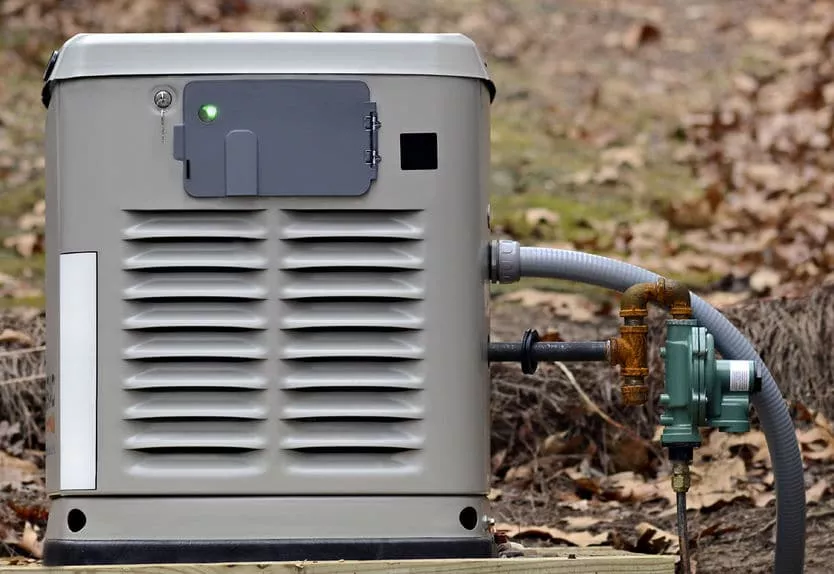
Are you considering a standby generator for your home or business? If so, you might be wondering about your fuel options.
Can standby generators run on propane and natural gas? The answer is yes, and understanding the benefits of these fuel types could make a big difference in your decision-making process. Imagine the peace of mind knowing you have a reliable power source during an outage.
By choosing the right fuel, you not only ensure efficiency but also potentially save on costs. Dive into this article to discover how propane and natural gas can power your standby generator and why they might be the perfect choices for you.
Credit: shgeneratorset.com
Types Of Standby Generators
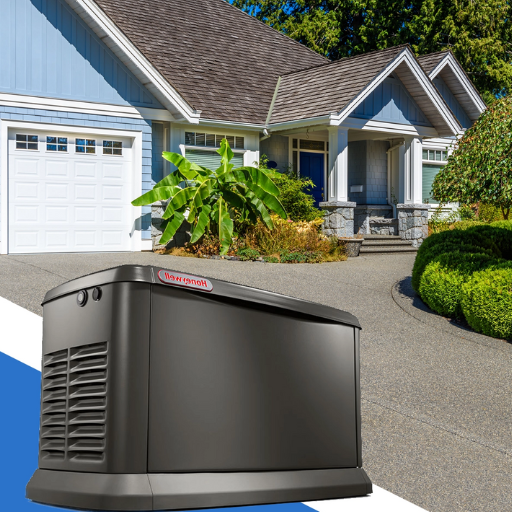
Standby generators are fixed systems that turn on automatically during power cuts. Portable generators are smaller and can be moved easily. Standby models usually provide more power and run on different fuels. Portable ones are less powerful but handy for small needs.
Generators can use several fuel types. The most common fuels are gasoline, diesel, propane, and natural gas. Propane and natural gas are cleaner fuels and often used for standby generators. They burn more efficiently and produce less pollution.
| Fuel Type | Common Use | Pros | Cons |
|---|---|---|---|
| Gasoline | Portable generators | Easy to find, quick start | Short storage life, smelly |
| Diesel | Standby and portable | Longer engine life, efficient | Louder, more pollution |
| Propane | Standby generators | Clean burning, stores well | Less power than diesel |
| Natural Gas | Standby generators | Continuous fuel supply, clean | Needs gas line connection |
Propane As A Generator Fuel
Propaneis a popular choice for standby generators. It stores easily in tanks and lasts a long time without going bad. This makes propane great for emergencies or places without regular fuel delivery.
Propane burns cleanly, producing less soot and pollution than gasoline or diesel. This means your generator stays cleaner and runs better for a long time. It also makes propane engines more efficient, saving fuel during use.
| Advantages | Details |
|---|---|
| Storage | Can be stored in large tanks safely for years. |
| Availability | Easy to find and refill in many locations. |
| Performance | Burns clean, reducing engine wear and pollution. |
| Efficiency | Provides stable power with better fuel use. |
Natural Gas For Generators
Standby generators can run on both propane and natural gas. These fuels offer reliable power during outages with clean burning and easy storage. Choosing the right fuel depends on availability and generator compatibility.
Benefits Of Natural Gas
Natural gasis clean and burns more efficiently than many fuels. It creates less pollution, helping the environment. It is also cost-effective, saving money over time. Natural gas is stored in pipelines, so you don’t need to refill tanks. This means continuous powerduring long outages. It is also safeto use with proper installation and maintenance.
Supply And Infrastructure
Natural gas is supplied through a network of pipelines. Homes in many areas already have access to these pipelines. This makes it easy to connect a generator. The supply is usually steady and reliable. In some places, there may be limits during very high demand. Proper setup ensures a good flow of gas to the generator.
Operational Considerations
- Generators need to be compatible with natural gas.
- Professional installation is important for safety.
- Regular maintenance helps keep the system running well.
- Natural gas pressure must be monitored for best performance.
- Backup fuel options can be useful in case of supply issues.
Credit: shgeneratorset.com
Dual-fuel Generators
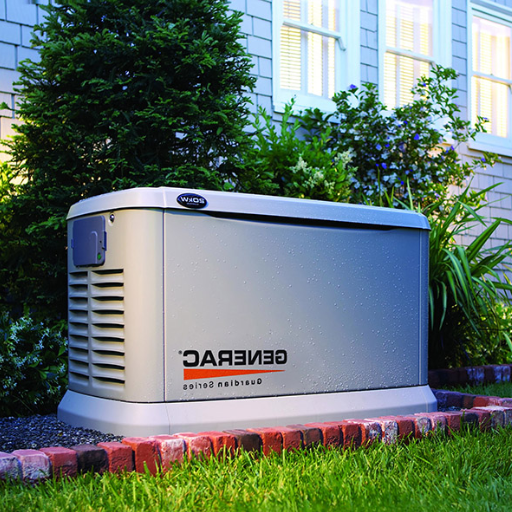
Dual-fuel generatorscan run on both propane and natural gas. They have a special system that lets them switch fuels easily. This gives you more options during power outages or fuel shortages.
The switching systemuses a valve to change from one fuel to another. This switch can happen automatically or manually. It helps keep the generator running smoothly without stopping.
| Pros | Cons |
|---|---|
| More fuel choices available | Costs more than single-fuel units |
| Fuel supply flexibility | May need more maintenance |
| Longer run time during outages | Setup can be complex |
Installation And Maintenance
Fuel lines must be set up carefully for propane or natural gas. Use approved pipes and fittings made for gas. Check for leaks with a soap solution. Keep the fuel line away from sharp edges and heat sources. Ensure proper ventilation around the generator to avoid gas buildup. Use shut-off valves to control gas flow safely.
- Check oil and coolant levels every month.
- Run the generator under load for 30 minutes monthly.
- Clean air filters every 6 months or as needed.
- Inspect spark plugs and replace if dirty.
- Test automatic transfer switch yearly.
Always install carbon monoxide detectors near the generator. Keep the area around the generator clear of flammable materials. Do not store fuel indoors. Follow local codes and regulations for gas connections. Turn off the fuel supply before servicing the generator.
Cost Comparison
Initial investmentfor propane generators is often higher. Propane models need special tanks and fittings. Natural gas generators connect directly to home gas lines, lowering setup costs.
Fuel costs over timediffer. Propane tends to be more expensive than natural gas per unit. But propane stores well for emergencies. Natural gas prices are usually stable and cheaper.
Long-term savingsdepend on usage. Natural gas can save money if used often. Propane might cost more but offers fuel security. Maintenance costs are similar for both types.
Environmental Impact
Propane emits less carbon dioxidethan gasoline or diesel. It produces fewer particulate matterand nitrogen oxides. This means cleaner air and lower smog formation. Still, propane is a fossil fuel, so it releases greenhouse gases.
Natural gas burns cleaner than propane. It has lower carbon dioxide emissionsper unit of energy. Also, it produces less sulfur dioxideand particulate matter. This makes natural gas better for urban air quality.
- Both fuels come from fossil sources.
- Natural gas has a higher energy efficiency.
- Propane storage is easier for backup power.
- Renewable energy options are more sustainable.
- Switching to biogasor renewable propaneimproves sustainability.

Credit: www.angi.com
Common Issues And Troubleshooting
Fuel supply problemsoften cause standby generators to stop working. Low propane or natural gas levels can make the generator shut down. Gas leaks or clogged fuel lines reduce fuel flow. Check the fuel tank and lines regularly to avoid issues.
Generator performance issuesinclude hard starts, uneven running, and low power output. Dirty air filters or spark plugs can cause poor engine function. Cold weather might affect propane pressure, reducing power. Regular maintenance keeps the generator reliable.
- Keep fuel tanks full and check for leaks.
- Clean or replace air filters and spark plugs.
- Test fuel pressure, especially in cold weather.
- Use the right fuel type as per the generator manual.
- Run the generator monthly to keep parts lubricated.
Frequently Asked Questions
Can Standby Generators Operate On Both Propane And Natural Gas?
Yes, many standby generators are designed to run on propane and natural gas. Dual-fuel models offer flexibility and continuous power during outages. Always check the generator’s specifications to ensure compatibility with your preferred fuel type.
Is Propane Or Natural Gas Better For Standby Generators?
Propane burns cleaner and stores longer, while natural gas is more cost-effective and readily available. The choice depends on your location, fuel access, and environmental preferences. Both fuels provide reliable power for standby generators when used properly.
How Do Standby Generators Switch Between Propane And Natural Gas?
Dual-fuel standby generators have an automatic or manual switch to change fuel sources. This feature ensures uninterrupted power supply. Proper installation and maintenance are essential for safe and efficient fuel switching.
Are There Efficiency Differences Between Propane And Natural Gas?
Natural gas generally offers higher energy content and efficiency. Propane provides consistent power but may have slightly lower efficiency. Both fuels perform well in standby generators, with minor differences based on generator design and usage conditions.
Conclusion
Standby generators can run on both propane and natural gas. Each fuel type has its own benefits and costs. Propane stores well and lasts longer without going bad. Natural gas connects directly to your home’s supply and runs continuously. Choosing the right fuel depends on your needs and location.
Both options provide reliable backup power during outages. Consider safety, availability, and price before deciding. A well-maintained generator ensures your home stays powered when needed. Simple, flexible fuel choices keep you prepared for any emergency.