Imagine the power going out during a crucial business meeting or a busy workday. Not only can it disrupt operations, but it can also lead to significant financial losses and damage your reputation.
This is where a transfer switch comes into play. You might be wondering if a transfer switch can be used in commercial buildings to ensure a seamless power supply. The answer could transform how you manage your business’s energy needs.
By the end of this article, you’ll uncover the benefits, functionality, and potential cost savings a transfer switch can bring to your commercial space. So, if you’re ready to safeguard your business from unexpected power interruptions, keep reading to discover why a transfer switch might be the solution you’ve been looking for.
Role Of Transfer Switches
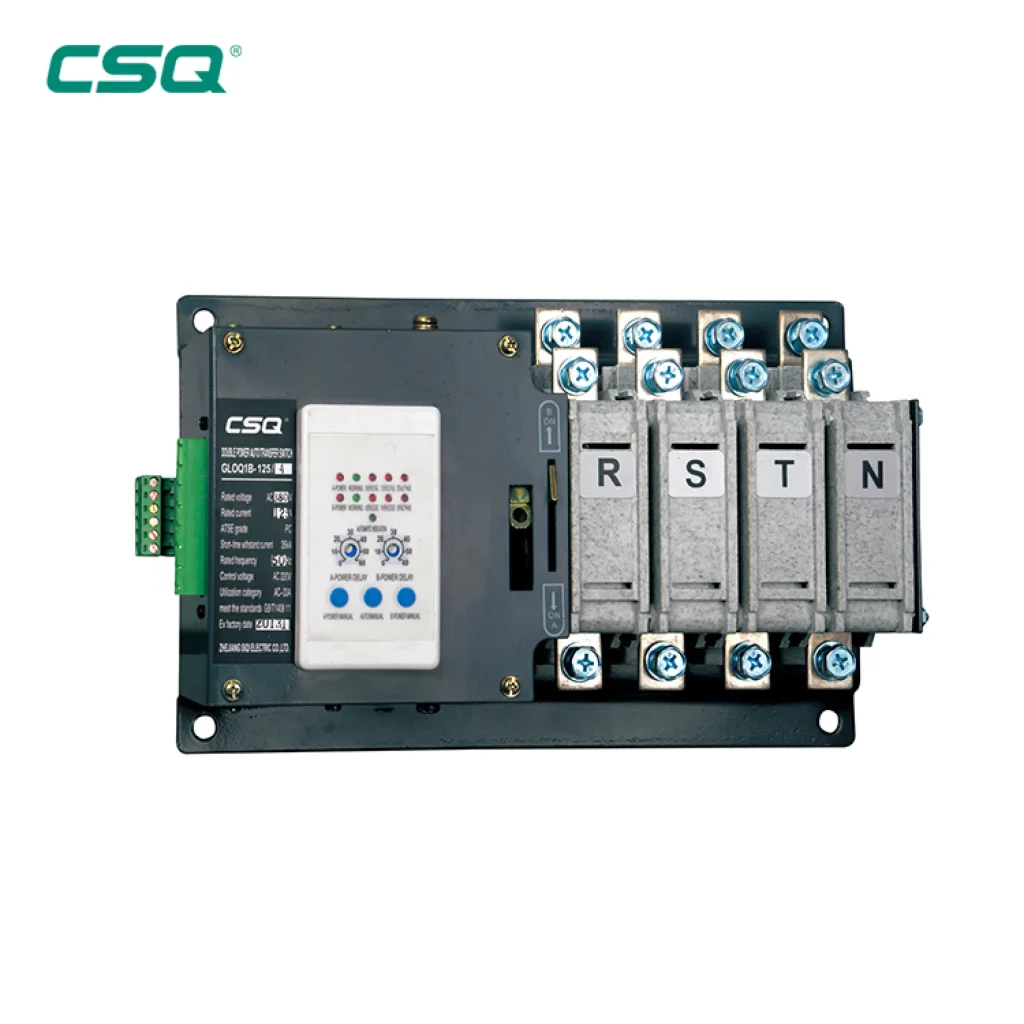
Transfer switcheshelp switch power from one source to another. They keep electricity flowing during power outages. This is very important for commercial buildingswhere power loss can cause big problems.
Their basic functionsinclude:
- Automatically switching to a backup power source.
- Protecting electrical devices from damage.
- Ensuring safety for people and equipment.
| Type | Description | Use in Commercial Buildings |
|---|---|---|
| Manual Transfer Switch | Requires a person to switch power sources. | Good for small businesses or low power needs. |
| Automatic Transfer Switch (ATS) | Switches power automatically when outage happens. | Common in large commercial buildings for quick response. |
| Open Transition | Breaks power before switching to backup source. | Used where short power interruption is acceptable. |
| Closed Transition | Transfers power without interruption. | Ideal for sensitive equipment needing constant power. |
Benefits In Commercial Settings
Transfer switchesimprove safetyby preventing electrical backflow. This protects workers and equipment from shocks or damage. They also reduce fire risks by managing power flow during outages.
Uninterrupted power supplykeeps critical systems running. Businesses avoid costly downtime, and essential machines stay on without breaks. This is vital for places like hospitals, data centers, and offices.
- Meets local and national electrical codes
- Helps pass safety inspections easily
- Ensures legal use of backup generators
Following regulations reduces fines and legal issues. It also shows a commitment to safety and reliability in the building.
Installation Considerations
Sizing and capacitymust match the building’s power needs. The transfer switch should handle the total load without tripping. It’s important to check the current and voltage ratingsbefore installation.
Location and accessibilityaffect maintenance and safety. The switch should be in a dry, cool place. Easy access helps during power outages or repairs. Avoid placing it where water or dust can reach.
Integration with existing systemsis key for smooth operation. The transfer switch must work well with generators and main power lines. Compatibility with current wiring and controls reduces issues. Professional assessment ensures all parts fit and function properly.

Credit: www.cummins.com
Common Challenges
Cost implicationsoften affect decisions about transfer switches in commercial buildings. These devices can be expensive to buy and install. Also, larger buildings might need more powerful switches, which cost even more. Budget limits can slow down projects.
Maintenance requirementsadd ongoing expenses. Regular checks and professional servicingkeep the switches working well. Neglecting maintenance may cause system failuresor safety risks.
Technical limitationsmight restrict use. Some switches are not compatible with all power systems. They may also have size or capacity limits. This can make them less suitable for very large or complex buildings.
Choosing The Right Transfer Switch
Manual transfer switchesrequire someone to flip the switch during power loss. They are simple and cost less.
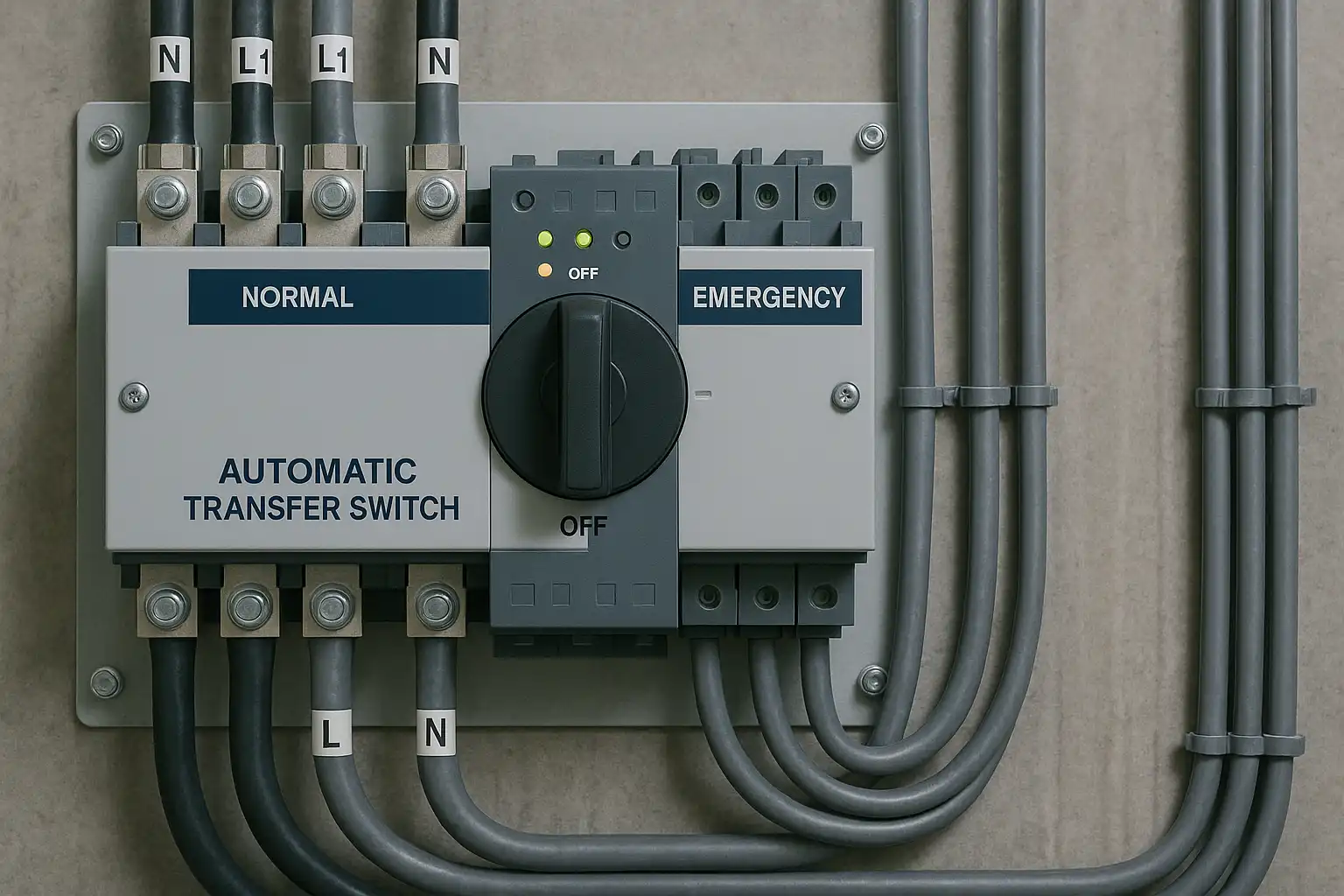
Automatic transfer switchesswitch power sources on their own. They work fast and keep machines running without delay.
Load managementhelps balance power use. It stops overloads and saves energy. A good switch controls load smoothly.
| Brand | Warranty | Why Important? |
|---|---|---|
| Trusted brands | 1 to 3 years | Ensure quality and support if problems arise. |
| New brands | Less than 1 year | May save money but risk less reliable service. |
Case Studies
Transfer switches help commercial buildings switch power sources smoothly during outages. Case studies show their role in maintaining safety and continuous operations. They ensure backup generators work without manual intervention.
Small Office Buildings
Transfer switcheshelp small offices keep power steady. They switch power sources fast during outages. This prevents work loss and saves data. Offices with less than 20 people find them useful and affordable. The setup is simple and fits well in small spaces. Backup generators connect easily with transfer switches. This keeps lights and computers running without delay. Many small offices use automatic transfer switchesfor smooth power change.
Large Commercial Complexes
Big buildings need strong power backup plans. Transfer switches can manage multiple power sources here. They handle big loads safely and quickly. Complexes with many offices use them to avoid blackouts. These switches work with big generators and utility power. They help keep elevators, alarms, and servers on. Large buildings often use custom transfer switch systemsfor their needs. This makes power control easy and reliable.
Future Trends
Transfer switches are becoming common in commercial buildings to ensure smooth power shifts during outages. They help maintain business operations by quickly switching power sources without interruption. This trend supports safety and efficiency in modern commercial setups.
Smart Transfer Switches
Smart transfer switchesimprove power management in commercial buildings. They can automatically switchbetween power sources like the grid and generators. This helps avoid power outages. These switches can be controlled remotely using apps. They also send alerts if there is a problem. This makes maintenance easier and faster.
Integration With Renewable Energy
Transfer switches now work well with renewable energy like solar and wind. They help combine powerfrom these sources with traditional electricity. This reduces energy costs and lowers carbon emissions. Buildings can use clean energy more efficiently. The switches ensure smooth power flow even when solar or wind power changes.
Credit: www.onesto-ep.com

Credit: www.se.com
Frequently Asked Questions
What Is A Transfer Switch In Commercial Buildings?
A transfer switch safely transfers power between utility and generator sources. It ensures continuous electricity in commercial buildings during outages. It prevents back-feeding, protecting equipment and workers.
Can Transfer Switches Handle Commercial Electrical Loads?
Yes, transfer switches are designed to manage large commercial electrical loads. They come in various sizes to match building power requirements. Proper sizing ensures reliable power transfer and operational safety.
Are Transfer Switches Mandatory For Commercial Generators?
Many local codes require transfer switches for commercial generator installations. They ensure safe, legal, and efficient power switching. Always check local regulations before installation.
How Does A Transfer Switch Improve Commercial Building Safety?
A transfer switch prevents electrical back-feed, reducing shock risks. It isolates power sources, protecting maintenance workers. It also helps avoid equipment damage during power shifts.
Conclusion
Transfer switches provide reliable power backup for commercial buildings. They help avoid downtime during power outages. Businesses stay open and operations continue smoothly. Installation requires professional expertise and proper planning. Choosing the right type depends on building size and power needs.
Regular maintenance keeps the transfer switch working well. This simple device supports safety and efficiency. It is a smart choice for many commercial settings. Consider it to protect your business from unexpected power loss.