Are you tired of unexpected blackouts disrupting your daily life? Imagine you’re in the middle of cooking dinner, working on an important project, or enjoying a family movie night, and suddenly, everything goes dark.
It’s frustrating and inconvenient. But what if there was a way to keep your lights on and your devices running, even during a power outage? Enter the transfer switch, a powerful tool that can safeguard your home from blackouts. We’ll explore how a transfer switch works and whether it can be your shield against unexpected power interruptions.
Stay with us as we uncover the secret to uninterrupted power and peace of mind.
How Transfer Switches Work
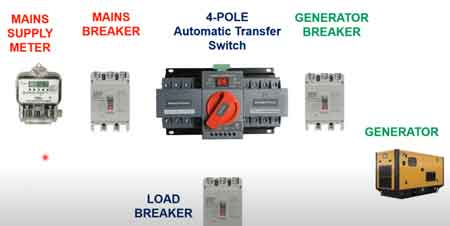
A transfer switch helps change power from the main source to a backup generator. It stops power from both sources running at the same time. This prevents damage and keeps electricity safe. Transfer switches make sure your home or business has power during a blackout.
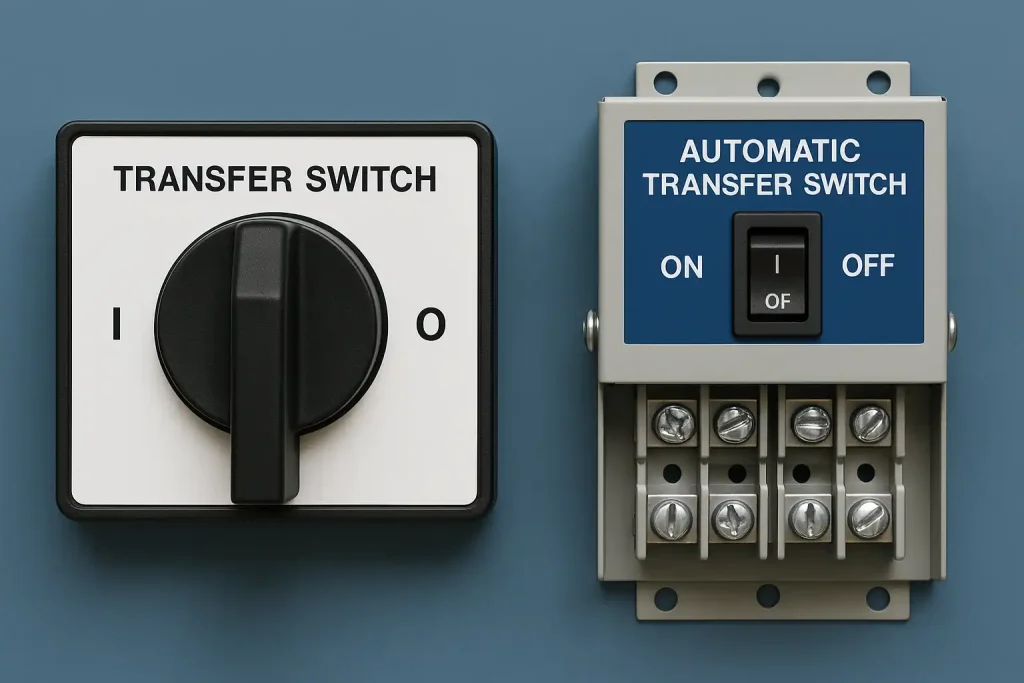
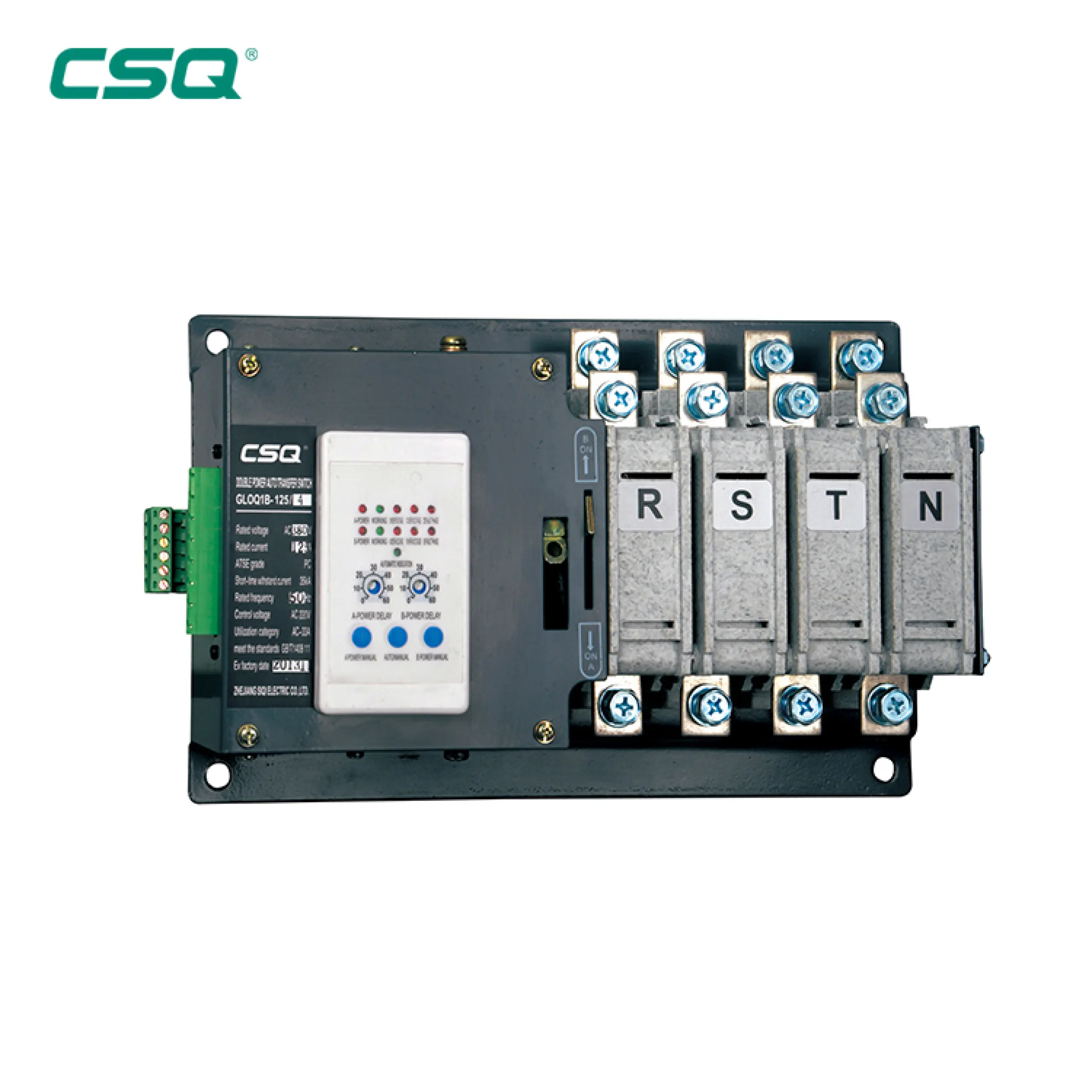
There are two common types of transfer switches: manual and automatic. Manual switches need someone to turn them on or off. They are simple and cost less. Automatic switches work by themselves. They sense when the power goes out and switch to backup power quickly.
| Type | How it Works | Best For |
|---|---|---|
| Manual Transfer Switch | Needs a person to switch power sources. | Small homes or places with easy access. |
| Automatic Transfer Switch | Switches power automatically during outages. | Large buildings or where power must stay on. |
Role In Preventing Blackouts
Transfer switcheshelp move power from the main source to a backup source.
This switch works automaticallywhen the main power fails. It connects your homeor building to a generator or other backup power.
There is no need to turn off devices. This means no power interruptionsor blackouts inside the building.
The transfer switch makes the change fast and safe. It stops damage to appliances that can happen with sudden power loss.
Using a transfer switch is a smart way to keep lights onand machines running during power outages.
Installation Best Practices
Choosing the right transfer switchis key for backup power. Look for switches that match your power needsand generator size. Check if the switch is automaticor manualbased on your preference.
Professional installation ensures the switch works safely and reliably. Experts will follow local electrical codesand use the right tools. Proper wiring and grounding are very important for safety.
- Hire a licensed electrician for installation.
- Test the switch after installation to confirm it works.
- Plan installation near your main electrical panel.
- Ensure clear labeling of circuits connected to the switch.

Credit: www.duthiepower.com
Maintenance For Reliability
Regular testing keeps a transfer switch ready to work during power loss. It helps find problems early. Tests check the switch moves power from the main source to the backup. This ensures power never stops.
Common issues include stuck contacts, worn parts, and wiring faults. Dirt or moisture can cause the switch to fail. Loose connections might stop it from working fast enough. Fixing these problems prevents blackouts.
- Test monthlyto ensure quick power transfer.
- Clean contactsto avoid dirt build-up.
- Check wiringfor damage or looseness.
- Replace worn partsbefore failure.
- Keep the switch dryto stop corrosion.
Additional Power Protection Tips
Backup power sourceslike generators and batteries keep your home running during blackouts. They provide energy when the main power fails. Choose reliable options and test them often.
Surge protectionstops damage from sudden power spikes. Install surge protectors on key appliances and electrical panels. This helps protect your devices from harm.
Energy managementhelps lower power use and prevent overloads. Use energy-efficient devices and unplug unused items. Monitor your energy to avoid blackouts caused by too much demand.
Credit: www.csqelectric.com
Credit: electricityforum.com
Frequently Asked Questions
What Is A Transfer Switch And How Does It Work?
A transfer switch safely transfers power between the main grid and a backup generator. It prevents electrical hazards and ensures seamless power supply during outages.
Can A Transfer Switch Completely Prevent Blackouts?
A transfer switch cannot prevent blackouts. It only manages power sources to reduce downtime during outages by switching to backup power.
How Does A Transfer Switch Improve Home Safety?
It isolates the generator from the grid, preventing backfeed that can cause electrocution or damage. This enhances electrical safety during power outages.
Is A Transfer Switch Necessary For Generator Use?
Yes, a transfer switch is essential for safe and legal generator operation. It allows easy switching without manual rewiring or risk of hazards.
Conclusion
A transfer switch helps keep power steady during outages. It quickly moves electricity from the main source to a backup generator. This action can stop blackouts in your home or business. Choosing the right switch makes a big difference. It ensures safety and smooth power flow.
Investing in a transfer switch means fewer worries when storms hit. It gives you control over your power supply. A reliable switch protects your devices and comfort. Power interruptions become less stressful and shorter. A transfer switch is a smart step for lasting energy security.