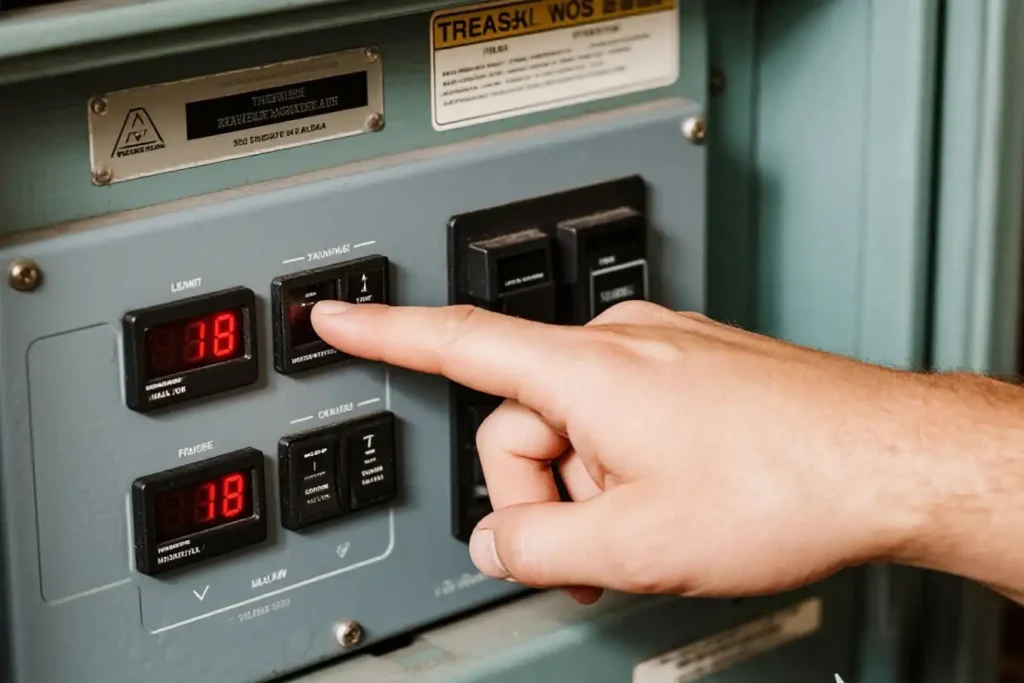
Have you ever worried about the safety of your home’s electrical system? The buzz of modern life means more gadgets and devices are plugged in than ever before.
But with this convenience comes the risk of electrical issues, including short circuits. That’s where a transfer switch comes into play. You might be wondering, “Can a transfer switch prevent short circuits? ” This article is for you if you want peace of mind and a safer home environment.
We’ll explore how transfer switches work and whether they can help protect your home from electrical mishaps. Stick around to find out how you can safeguard your home and keep your loved ones safe.
Role Of Transfer Switches
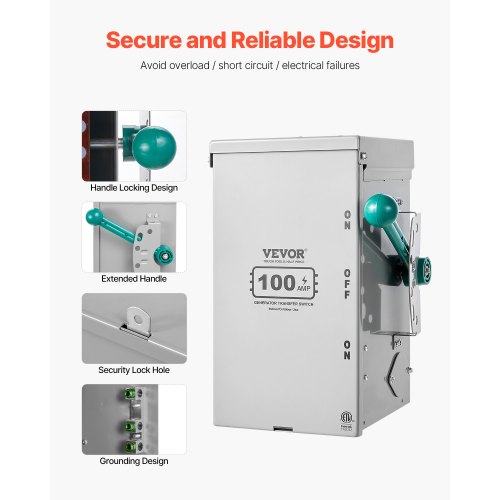
A transfer switchhelps safely move power from one source to another. It stops two power sources from running at the same time. This prevents short circuitsand damage to devices. The switch makes sure electricity flows smoothly and safely.
There are two main types of transfer switches:
- Manual transfer switches: You change the power source by hand. They are simple and cost less.
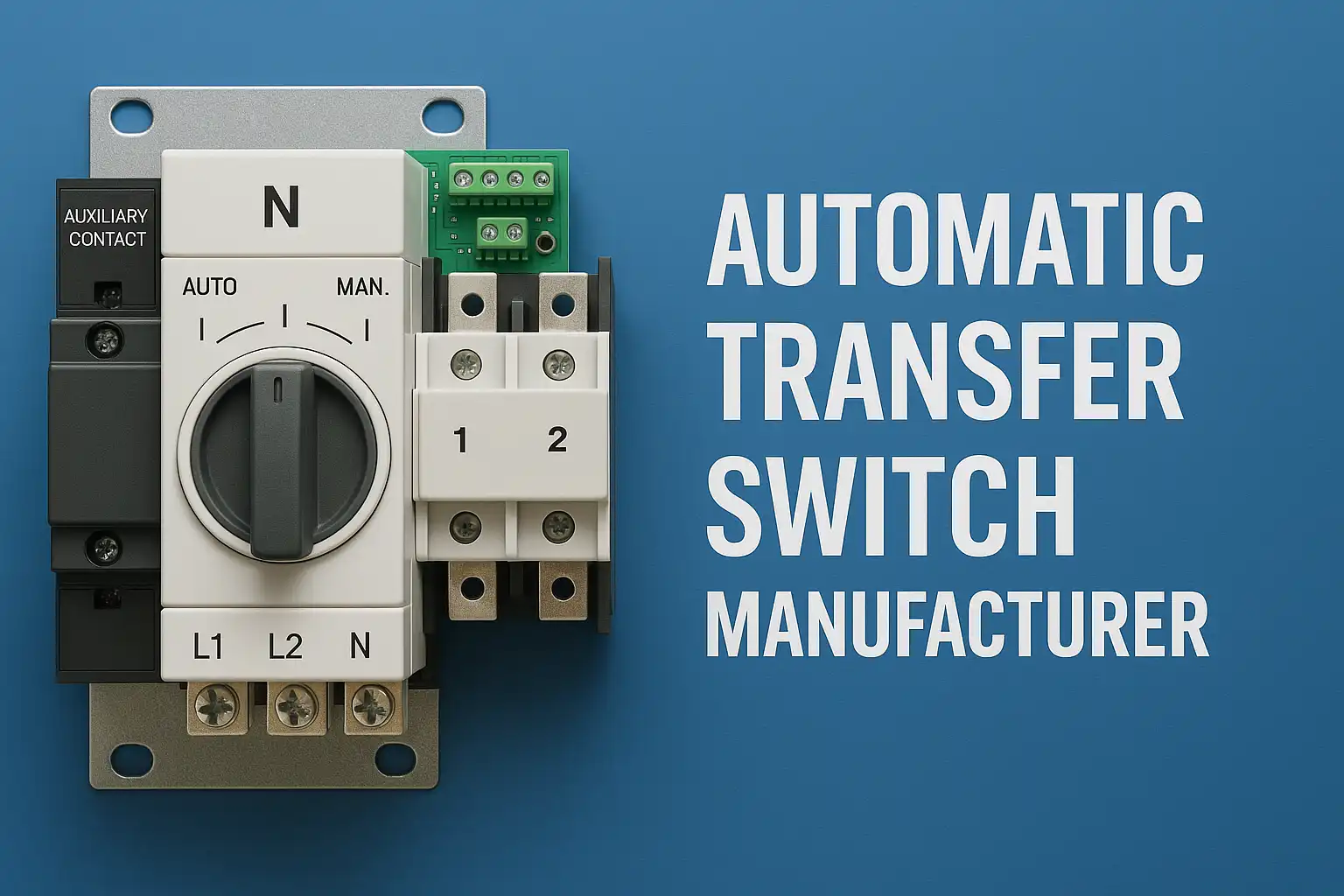
- Automatic transfer switches: They switch power sources on their own if one fails. This keeps power steady without needing help.
Credit: www.vevor.com
Causes Of Short Circuits
Short circuits happen due to faulty wiring, damaged appliances, or overloaded circuits. Common electrical faults include loose connectionsand broken insulation. These issues cause electricity to flow where it should not.
Short circuits can cause power outagesand damage to home devices. They may lead to firesand electric shocks. Protecting your home requires understanding these risks.
| Common Electrical Faults | Impact on Home and Equipment |
|---|---|
| Faulty wiring | Fire risk, device damage |
| Damaged appliances | Power surges, breakdowns |
| Loose connections | Intermittent power, sparks |
| Overloaded circuits | Frequent outages, overheating |
Transfer Switches And Short Circuit Prevention
Transfer switches help safely switch power sources without causing electrical faults. They reduce the risk of short circuits by isolating power lines during transfer. Proper installation and use of transfer switches enhance electrical safety in homes and businesses.
How Transfer Switches Manage Power Flow
Transfer switchescontrol the flow of electricity between the main power and backup generators. They switch power sourcessafely without mixing them. This helps avoid electrical overloads. The switch ensures only one power source is active at a time. It prevents backfeedthat could harm equipment or people. They also help maintain steady powerand avoid sudden surges that can cause damage.
Limitations In Preventing Short Circuits
Transfer switches cannot stop all short circuits. They do not replace circuit breakers or fuses. These devices are needed to detect and interruptshort circuits quickly. Transfer switches mainly manage power source selection, not electrical faults inside wiring or devices. Short circuits can still happen if wiring is faulty or damaged. Regular maintenance and proper circuit protection are essentialalongside transfer switches.
Safety Features In Transfer Switches
Transfer switches have built-in protection mechanismsto prevent short circuits. They help to control the flow of electricity safely. Inside, there are devices that sense faults and stop power quickly. This stops damage to appliances and wiring.
Transfer switches work closely with circuit breakers. Circuit breakers cut power if there is too much current. The switch and breaker coordinate to avoid overloads and short circuits. This teamwork keeps your home safe from electrical hazards.
Installation Best Practices
Proper wiringis key to preventing short circuits in transfer switches. Use wires rated for the switch’s voltage and current. Avoid loose connections; they cause sparks and heat. Keep wires neat and organized to spot problems fast. Use insulationto protect wires from damage.
Professional installationensures safety and correct function. Experts know the right codes and safety rules. They test the system to catch faults early. DIY installation can miss vital steps. Trust trained electricians to avoid risks and keep your system safe.

Credit: www.grlgroup.com
Maintenance And Inspection
Regular testing helps keep the transfer switch working well. It checks if the switch moves power safely from one source to another. Testing can find problems early, so you can fix them before they cause a short circuit.
Signs of wear and damage include:
- Burn marks or discoloration on the switch parts
- Loose or broken wires
- Unusual noises when the switch operates
- Corrosion or rust on metal parts
- Switch not fully moving to the correct position
Detecting these signs early helps prevent short circuits and power failures. Regular inspection keeps the transfer switch safe and reliable.
Additional Safety Measures
Surge protectorshelp guard your home from sudden power spikes. These spikes can cause short circuits and damage electronics. Installing surge protectors adds a layer of protectionto your electrical system. They absorb extra electricity and stop it from reaching your devices.
Upgrading electrical panelsimproves your home’s safety. Old panels may not handle modern power needs well. New panels have better circuit breakers and safety features. They reduce the risk of overloads, which can cause short circuits.
Credit: www.onesto-ep.com
Frequently Asked Questions
Can A Transfer Switch Stop Electrical Short Circuits?
A transfer switch mainly controls power source switching. It does not directly prevent short circuits. Circuit breakers and fuses handle short circuit protection. The switch ensures safe transfer but relies on protective devices to stop electrical faults.
How Does A Transfer Switch Improve Electrical Safety?
A transfer switch safely isolates power sources during transfer. It prevents backfeed, reducing shock and fire risks. This isolation enhances overall electrical system safety but does not replace circuit protection devices like breakers or fuses.
Are Transfer Switches Necessary For Home Generators?
Yes, transfer switches are essential for safe generator use. They prevent power backfeed to utility lines, protecting utility workers. They also allow seamless power switching, ensuring home circuits stay protected from electrical faults.
Can Transfer Switches Work With Circuit Breakers?
Transfer switches work alongside circuit breakers for protection. While transfer switches manage power source changes, breakers protect circuits from overloads and shorts. Both components are crucial for a safe and reliable electrical setup.
Conclusion
A transfer switch helps keep electrical systems safe during power changes. It stops the flow of electricity at the right time. This action lowers the risk of short circuits. Short circuits can cause damage and danger in homes or businesses.
Using a transfer switch adds a layer of protection. It ensures power moves smoothly between sources. Always choose a quality switch and install it correctly. Safety matters most when dealing with electricity. A transfer switch is a smart step toward safer power management.