Have you ever wondered if a transfer switch can support multiple homes? Imagine this: a storm knocks out the power and you scramble to get the lights back on.
But what if you had a seamless solution that could power not just one, but multiple homes? The idea is intriguing, isn’t it? You might be thinking about efficiency, cost-effectiveness, and convenience. We’ll explore whether a transfer switch can be your ultimate power ally for more than one residence.
By understanding this, you could potentially save time, money, and avoid the stress of unexpected power outages. Stay with us to uncover the possibilities and find out if this is the right fit for your needs.
Credit: www.vevor.ca
How Transfer Switches Work
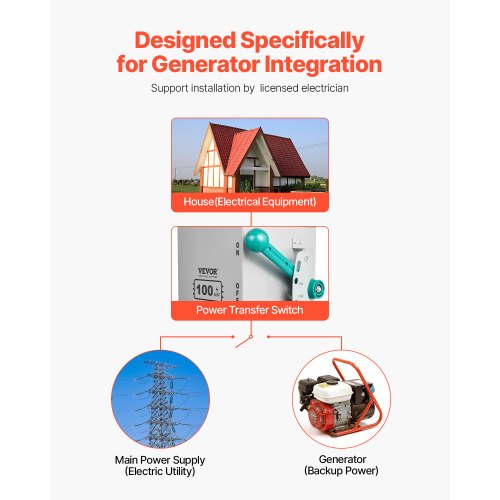
A transfer switchmoves power from the main source to a backup source. It stops electricity from both sources running at the same time. This protects the wiring and keeps everyone safe.
It switches power automatically or manually. The switch senses power loss and changes to the backup source quickly. When main power returns, it switches back to normal.
| Type | Description | Use |
|---|---|---|
| Manual Transfer Switch | Needs a person to change power source. | Simple homes or small buildings. |
| Automatic Transfer Switch | Switches power automatically when needed. | Homes with generators or critical places. |
| Service Entrance Rated Switch | Handles main power and backup power safely. | Whole house or multiple circuits. |

Credit: www.amazon.ca
Transfer Switch Capacity Limits
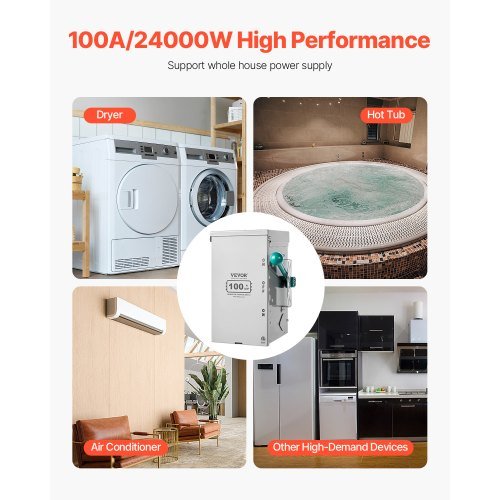
Transfer switcheshave limits on how much electrical loadthey can handle. Each switch is rated for a specific power capacity, usually measured in amps or kilowatts. Using a switch beyond its capacity can cause overheatingor failure.
For multiple homes, the total load increases. This means the switch must support the combined power needs of all connected homes. Usually, a single switch is designed for one home or a small load. Handling several homes often needs a larger or multiple transfer switches.
| Factor | Impact |
|---|---|
| Load Size | More homes = bigger load, needs higher capacity switch |
| Switch Rating | Must match or exceed total load to avoid damage |
| Safety | Overloaded switch risks fire and power loss |
| Cost | Bigger switches or multiple units increase expenses |
Wiring And Installation Challenges
Wiring a transfer switch for multiple homes is complex. Each home needs a separate connection to avoid power overlap. The switch must handle different loadsfrom each house. Incorrect wiring can cause damageor power failure.
Installation requires expert knowledge. Electricians must follow strict codesto ensure safety. The system should include clear labelingand proper grounding.
- Separate circuitsfor each home
- Compatible switch capacityfor total load
- Proper insulationand protection
- Regular maintenancechecks
Safety is the top priority. The switch must prevent backfeedingwhich can harm utility workers. Overloads or shorts can cause firesor injuries. Using a transfer switch with multiple homes needs extra cautionand professional help.

Credit: www.ecoflow.com
Power Source Compatibility
A transfer switchcan connect to different power sources, but supporting multiple homesneeds careful planning. Each home has unique power needs. A single generator might not handle all homes at once.
Generator sizematters. It must supply enough power for all connected homes. Overloading can cause damage or outages. Also, the generator must be compatible with the transfer switch type.
| Grid Connection Issues | Description |
|---|---|
| Power Limits | Grid may limit how much power can be shared between homes. |
| Safety Concerns | Improper connection can cause backfeed, risking utility workers. |
| Legal Rules | Local codes may restrict multi-home transfer switch setups. |
Benefits Of Multi-home Transfer Switches
Multi-home transfer switches offer great cost efficiency. Sharing one switch among several homes lowers the total expense. It reduces the need for multiple devices and complex wiring. This saves money on installation and maintenance.
Convenience is another key factor. One switch can control power for multiple houses easily. It simplifies power management during outages or emergencies. Users only need to monitor one device instead of many. This makes handling backup power much simpler and faster.
Potential Risks And Limitations
Transfer switchesare designed for specific electrical loads. Using one for multiple homescan cause serious overloading risks. The switch may not handle the combined power needs. This can lead to tripped breakersor even fire hazards.
Regular maintenanceis needed to keep transfer switches working well. When supporting multiple homes, the switch wears out faster. This raises the chance of failuresduring power outages. Repair costs can also increase.
- Risk of overheatingdue to high load
- Possible damageto electrical equipment
- Need for frequent inspectionsand upkeep
- Higher maintenance expenses
- Potential power interruptionsaffecting multiple homes
Expert Recommendations
Transfer switchesare usually made for one home only. Trying to use one switch for multiple homescan cause big problems. Each home has its own power needs and safety rules.
Best practicesinclude:
- Use a separate transfer switch for each home.
- Check the switch’s capacitymatches the home’s power use.
- Make sure the switch meets local electrical codes.
- Turn off power before any work begins.
- Test the switch regularly to ensure it works well.
Consult professionalsfor:
- Complex wiring or multiple homes on one system.
- Choosing the right size switch.
- Ensuring installation follows safety laws.
- Any questions about load capacityor risks.
Alternative Solutions
Separate transfer switches allow each home to have its own backup power. This setup keeps systems simple and safe. Each switch controls power flow independently, preventing overloads.
Advanced power management systems can share a single generator among multiple homes. These systems use smart controls to balance power needs. They monitor usage and shift power where needed most. This option is more complex and usually costs more.
| Solution | Benefits | Considerations |
|---|---|---|
| Separate Transfer Switches |
|
|
| Advanced Power Management Systems |
|
|
Frequently Asked Questions
Can One Transfer Switch Power Multiple Homes?
Generally, a single transfer switch is designed for one home. Powering multiple homes requires separate switches or a more complex system.
What Size Transfer Switch Is Needed For Multiple Homes?
Transfer switches must handle the combined load of all homes. Consult an electrician to determine the correct size for safety and efficiency.
Are There Transfer Switches Made For Multi-home Use?
Yes, specialized transfer switches exist for multi-home setups. They are larger and require professional installation and compliance with local codes.
Can A Transfer Switch Control Power Distribution Between Homes?
Transfer switches primarily manage power source switching, not distribution. Separate distribution panels are needed to allocate power across multiple homes.
Conclusion
A transfer switch can serve multiple homes, but it needs the right setup. Each home’s power needs must be checked carefully. The switch must handle the total load safely. Professional advice helps to choose the best option. Proper installation keeps your power running smoothly.
This setup can save money and time during outages. Planning ahead makes all the difference. Consider your home’s size and power use before deciding. Safe and reliable power is always the goal.