When a storm hits, the last thing you want is to be left in the dark. You’re likely wondering if your transfer switch will be up to the task of keeping your lights on and your appliances running.
Understanding how transfer switches work during storms can be crucial for your peace of mind and your home’s safety. Imagine the comfort of knowing that even in the fiercest of weather, you and your family can continue your routines without disruption.
We’ll explore whether your transfer switch can withstand the challenges of a storm, and how it can be a game-changer for your household. Keep reading to discover how you can ensure uninterrupted power during the most turbulent times.

Credit: www.ecoflow.com
How Transfer Switches Operate
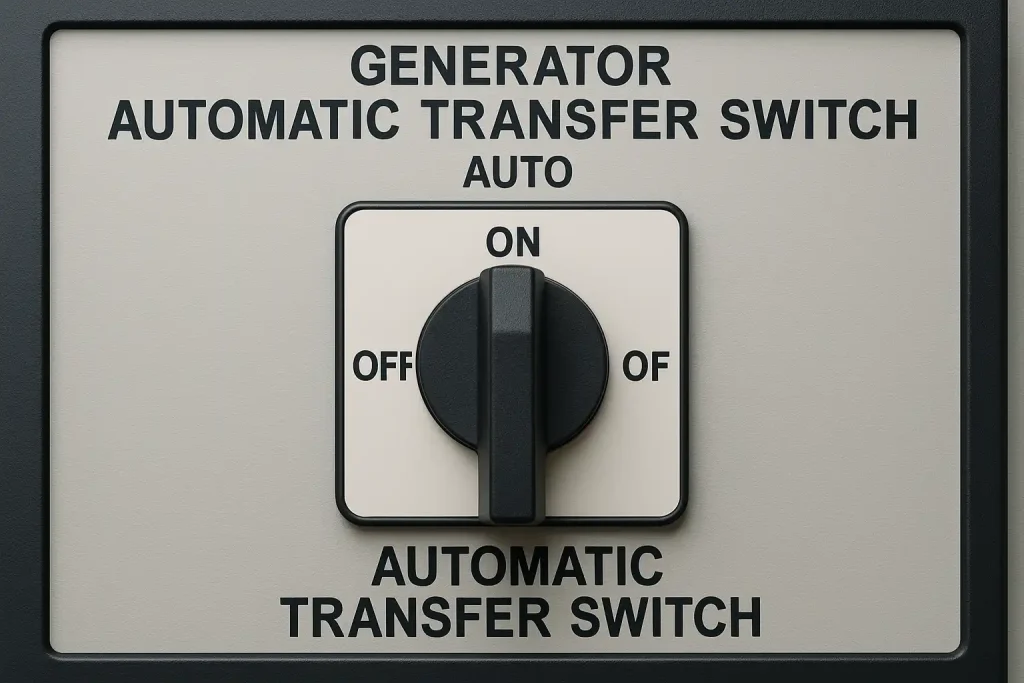
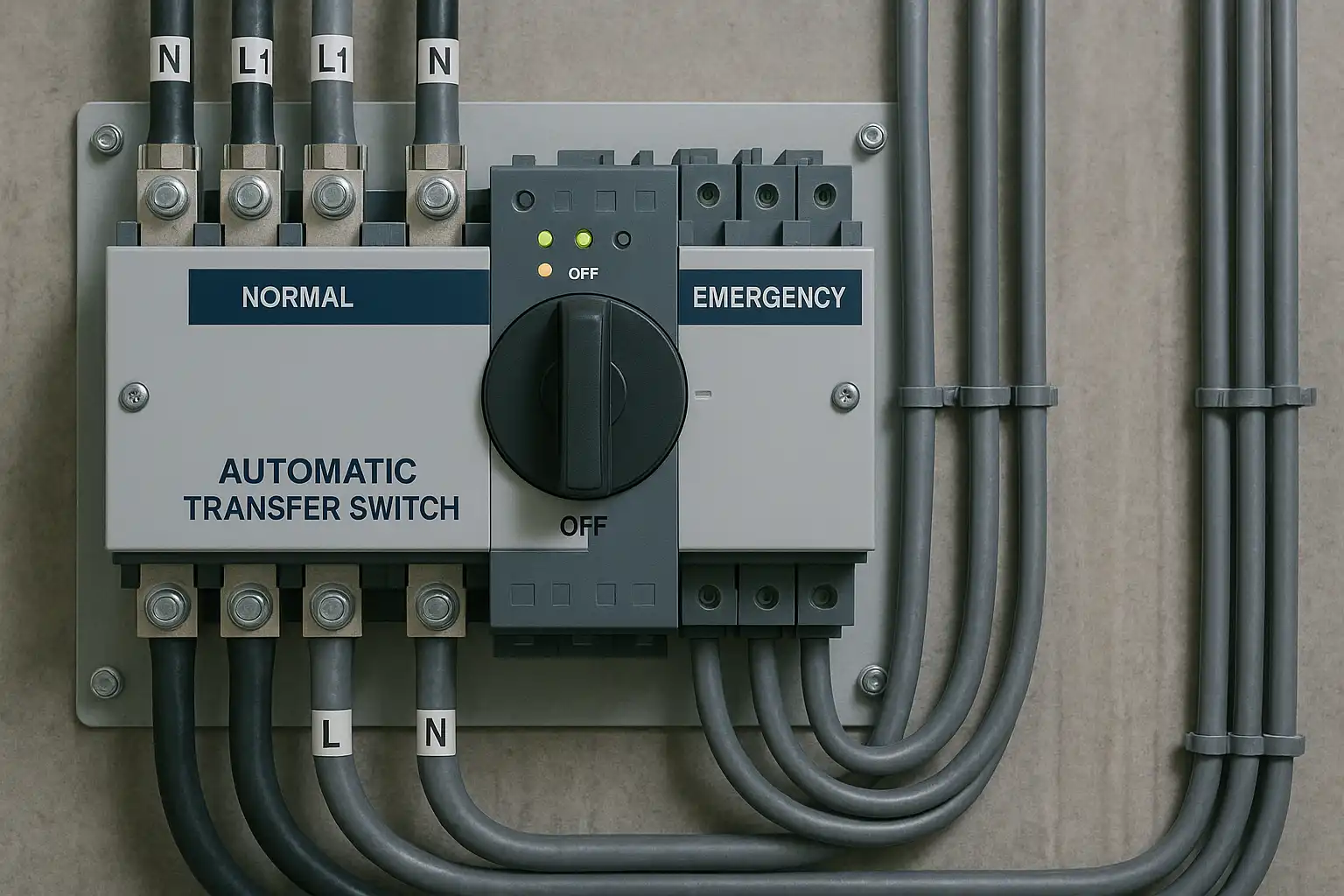
A transfer switchsafely moves power from the main grid to a backup source. It stops electricity flow from both sources at the same time. This prevents damage or danger. The switch detects power loss and quickly changes power sources.
There are two main types of transfer switches:
- Manual transfer switches:Require a person to flip the switch.
- Automatic transfer switches:Change power sources on their own.
Automatic switches react fast during storms to keep power steady. Manual switches need someone nearby to operate them. Both types help keep homes and buildings safe during outages.
Credit: www.onesto-ep.com
Role In Storm Preparedness
Power outagesduring storms can cause major disruptions. A transfer switchhelps by safely switching power from the utility to a backup generator. This switch ensures that electricity flows without risks of backfeeding.
There are two main types of transfer switches:
- Automatic Transfer Switch (ATS):Switches power instantlyduring outages without any human help.
- Manual Transfer Switch:Requires a person to flip the switchto change the power source.
| Feature | Automatic Transfer Switch | Manual Transfer Switch |
|---|---|---|
| Operation | Switches power automatically | Needs someone to operateit |
| Response Time | Very fast, no delay | Depends on user availability |
| Ease of Use | Very easy, no action needed | Simple but manual effort needed |
| Cost | More expensive | Less expensive |
Factors Affecting Performance
Weather resistanceis key for transfer switches during storms. The switch must be sealed to keep out water and dust. Materials used should resist rust and corrosion. Strong winds and heavy rain test the switch’s protection level.
Installation qualityaffects how well the switch works. Proper wiring and secure mounting prevent failures. Incorrect setup can cause power loss or damage. Expert installation ensures the switch operates safely and smoothly.
Maintenance importancecannot be ignored. Regular checks help find problems early. Cleaning contacts and testing the switch keeps it ready. Neglect leads to breakdowns, especially in storm conditions.
Common Issues During Storms
Electrical failuresare common during storms. Power outages happen often due to lightning or strong winds. Transfer switches might struggle to detect the right time to switch power sources. Sometimes, wiring gets damaged, causing the switch to fail or trip.
Mechanical malfunctionscan occur because of water or debris getting inside the switch. Moisture can cause rust or short circuits. Moving parts may freeze or jam if cold or wet. This stops the switch from working properly during a storm.
- Power loss can confuse the switch
- Physical damage can stop switch operation
- Moisture and dirt cause corrosion
- Switch parts may freeze or get stuck
- Regular checks help avoid failures
Ensuring Reliability In Storms
Choosing the right transfer switchis key for storm reliability. It must handle the power load safely and switch quickly. Look for switches rated for your home’s power needs. Automatic switches help by turning on backup power without delay. Manual switches need someone to operate them, which may slow things down.
Regular testing and inspectionkeep the switch ready. Test it often to catch any problems early. Check for loose wires, corrosion, or mechanical wear. Clean parts if needed and replace damaged components. A well-maintained switch works better during outages.
Backup power integrationmeans connecting the switch to a generator or battery system. This setup provides electricity during storms when the main grid fails. Make sure the backup source is reliable and has enough fuel or charge. Proper integration helps keep lights and appliances running smoothly.

Credit: www.reddit.com
Safety Considerations
Proper groundingis essential for transfer switches to work safely during storms. It helps prevent electric shockand protects equipment from damage. All metal parts should be connected to a grounding system that directs electricity safely into the earth.
Surge protectionguards against sudden spikes in electricity caused by lightning or power outages. Installing surge protectors near the transfer switch can stop damage to your devices. This protection keeps your home’s electrical system safe and reliable during bad weather.
Real-life Performance Examples
Transfer switches keep power flowing smoothly during storms by quickly shifting to backup sources. Real-life tests show they work well even in strong winds and heavy rain. This helps homes stay safe and lights stay on without delay.
Case Studies
Several homes reported power outages during storms. Transfer switches activated automatically. Power switched to backup generators within seconds. This quick action kept lights and appliances running. One case showed no interruption in power for over 4 hours. Another home avoided damage by using a transfer switch during a severe storm. These devices worked reliably even in strong winds and heavy rain.
User Testimonials
- “The transfer switch kept our home powered during the last storm.”
- “We had no worries when the power went out. The switch worked perfectly.”
- “It was quick and silent. We did not notice any power loss.”
- “The switch saved us from food spoilage during a long outage.”
Frequently Asked Questions
Can A Transfer Switch Operate Safely During Storms?
Yes, a transfer switch is designed to work safely during storms. It automatically switches power from the grid to a backup generator, ensuring continuous electricity without manual intervention.
How Does A Transfer Switch Help In Storm Power Outages?
During storms, transfer switches detect power loss and instantly connect to backup power. This prevents outages, keeping essential appliances and systems running smoothly.
Are Transfer Switches Reliable In Severe Weather Conditions?
Transfer switches are built to withstand harsh weather. When installed correctly, they provide reliable power transfer even in extreme storm conditions, protecting your home’s electrical system.
What Types Of Transfer Switches Work Best During Storms?
Automatic transfer switches are best during storms. They switch power sources instantly and safely, unlike manual switches that require user action, ensuring no delay in power restoration.
Conclusion
A transfer switch can keep power flowing during storms. It safely moves electricity between your main power and a backup source. This helps avoid outages and keeps important devices running. Choosing the right switch matters for safety and reliability. Regular checks ensure it works when needed most.
Storms can cause power problems, but a transfer switch reduces risks. It brings peace of mind and keeps your home or business powered. Simple, effective, and smart for stormy weather situations.