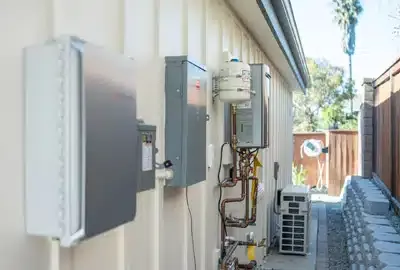
Are you dreaming of living in a tiny home, or maybe you’re already embracing the minimalist lifestyle? Either way, you might be wondering how to efficiently power your compact space.
One crucial element to consider is the transfer switch. But can a transfer switch work in tiny homes? This question could be the key to unlocking a seamless and stress-free power solution for your tiny abode. Imagine never worrying about power outages or complex electrical setups again.
With the right knowledge, you can optimize your tiny home’s energy system, making life simpler and more enjoyable. Stay with us as we dive into how transfer switches can revolutionize power management in tiny homes, ensuring your minimalist lifestyle is as comfortable and efficient as possible. You won’t want to miss the insights that could transform your tiny living experience!

Credit: www.onesto-ep.com
Basics Of Transfer Switches
A transfer switchis a device that moves power from one source to another. It helps you safely switch between the grid and a generator. This is very important in tiny homes for reliable electricity.
Transfer switches keep your home safe by preventing power from flowing back into the grid. This protects utility workers and your devices. They also make switching power sources easy and quick.
| Type of Transfer Switch | Description | Common Use |
|---|---|---|
| Manual Transfer Switch | Requires you to flip a switch to change power source. | Good for small generators and simple setups. |
| Automatic Transfer Switch (ATS) | Switches power sources automatically during outages. | Used with whole-home generators for convenience. |
Power Needs In Tiny Homes
Tiny homeshave lower power needs than regular houses. Basic appliances like lights, small fridge, and fans are common. Total electrical load usually stays below 2000 watts. This makes managing power simpler and safer.
Generators and solar panels both work well in tiny homes. Generators provide steady power but need fuel and regular care. Solar panels offer clean, quiet energy but depend on sunlight. Combining both can give reliable power day and night.
| Power Source | Advantages | Disadvantages |
|---|---|---|
| Generator | Steady power anytime, easy to start | Needs fuel, noisy, requires upkeep |
| Solar Panels | Quiet, clean energy, low running cost | Depends on sunlight, higher initial cost |
Compatibility Of Transfer Switches With Tiny Homes
Transfer switchesmust match the power needsof tiny homes. These homes have limited electrical loads, so the switch size should be smaller than those in regular houses. Choosing a switch with the right capacityavoids overloadingand keeps the system safe.
Installing a transfer switch in a tiny home can be tricky. Space is very tight, so finding a good spot for the switch is hard. Wiring must be done carefully to fit inside small walls and panels.
- Check the power ratingto fit tiny home needs.
- Use compact modelsmade for small spaces.
- Plan the installation layoutbefore starting work.
- Hire an experienced electricianto avoid mistakes.
Safety And Code Requirements
Electrical codesfor tiny homes ensure safetyand proper function. These rules guide the installation of transfer switchesand electrical systems. Following local codes prevents risks such as firesand shocks. Tiny homes need systems that match their size and power needs.
Transfer switchesmust be installedby a licensed electrician. This ensures the switch works correctly with the home’s electrical panel. The switch helps safely switch between generator powerand utility power.
| Code Aspect | Requirement |
|---|---|
| Wiring | Use wires rated for the home’s load capacity |
| Switch type | Must be manual or automatic transfer switch |
| Grounding | Proper grounding to prevent shocks |
| Inspection | Must pass local electrical inspection |
Safe operation depends on correct installationand routine checks. Never bypass safety features or ignore code rules. This keeps everyone safe and the system working well.
Choosing The Right Transfer Switch
Manual transfer switches require you to flip a switch to change power sources. They are simple, cost-effective, and work well for small power needs. Automatic transfer switches switch power sources on their own during an outage. They offer convenience but cost more and need a professional for installation.
Features to consider:
- Power rating:Match the switch capacity to your tiny home’s power load.
- Safety certifications:Look for UL or CSA labels.
- Ease of installation:Some switches are plug-and-play; others need wiring.
- Durability:Weather-resistant models are best for outdoor use.
- Compatibility:Ensure the switch works with your generator and home panel.

Credit: www.wickedtinyhouse.com
Installation Tips For Tiny Homes
Professional installationensures safety and proper setup of transfer switches. Experts know local codes and rules. They reduce risks of mistakes that can cause damage or injury. DIY installationmay save money but needs careful study and skill. Mistakes can lead to electrical hazards or system failure.
- Check power requirements before installing.
- Use the right tools and materials.
- Follow manufacturer instructions closely.
- Test the switch after installation.
Proper wiringis critical. Use wires rated for the load and environment. Place the transfer switch in a dry, accessible spot. Avoid locations near heat or moisture. Keep wiring neat to prevent shorts and ease maintenance.
Maintenance And Troubleshooting
Regular inspection of the transfer switch keeps it working well. Check for loose wiresor corrosion. Look for burn marksor unusual sounds. Make sure the switch moves smoothly without sticking. Clean the switch with a dry cloth to remove dust. Test the switch often to ensure it transfers power correctly.
Common issues include failure to switchand power loss. Loose connections can cause the switch not to work. Tighten any screws or terminals carefully. If the switch trips often, check for overloadsor short circuits. Replace any damaged parts with exact matches. Always turn off power before fixing the switch.

Credit: www.jackery.com
Frequently Asked Questions
Can A Transfer Switch Power A Tiny Home Safely?
Yes, a transfer switch can safely power a tiny home. It allows seamless switching between grid and generator power. This ensures continuous electricity without backfeeding, protecting appliances and utility workers.
What Size Transfer Switch Is Best For Tiny Homes?
A 30-amp or 50-amp transfer switch usually suits tiny homes. Choose based on your electrical load and generator capacity. Proper sizing prevents overloads and maintains efficient power transfer.
How Does A Transfer Switch Benefit Tiny Home Living?
A transfer switch provides reliable backup power during outages. It prevents electrical hazards and simplifies switching power sources. This enhances safety and convenience for tiny home residents.
Can I Install A Transfer Switch Myself In A Tiny Home?
DIY installation is possible but not recommended. Transfer switches involve complex wiring and safety codes. Hiring a licensed electrician ensures proper setup and compliance with regulations.
Conclusion
Transfer switches can work well in tiny homes. They help safely switch power sources. This adds convenience and protects your electrical system. Choosing the right type fits your home’s needs. Installation should follow safety rules and codes. Proper use keeps your home powered without risk.
Tiny homes benefit from this simple, smart tool. Consider a transfer switch for reliable energy control. It makes managing power easier and safer. Simple, effective, and practical for small living spaces.