
Have you ever wondered if wireless chargers could be causing interference with your electronic devices? As you rely more on wireless technology, you might notice occasional glitches or disruptions.
Could your trusty wireless charger be the culprit? With so many gadgets competing for space and signals, it’s natural to be curious about their interactions. You deserve to know whether the convenience of wireless charging comes with hidden downsides. Uncover the truth and empower yourself with insights that could enhance your tech experience.
Dive into this article to find out how wireless chargers might be affecting your devices and what you can do about it.
Basics Of Wireless Charging
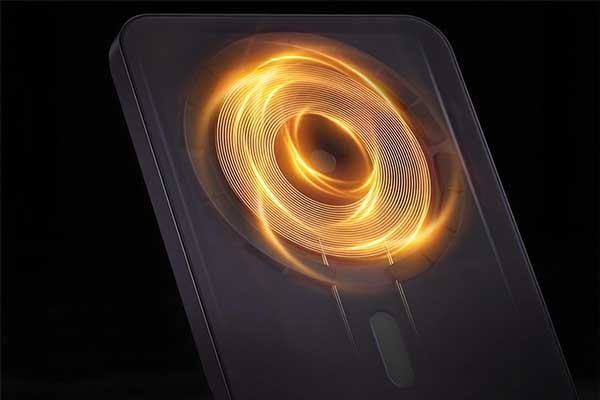
Wireless charging uses electromagnetic fields to transfer energy. Chargers have a coil that creates a magnetic field. This field moves electricity to your device’s battery. The device also has a coil to receive the energy. When the charger and device coils line up, charging happens. No cables are needed, which makes it very convenient.
| Type | Description |
|---|---|
| Qi Chargers | Most common type. Works with many devices. Uses standard technology. |
| PMA Chargers | Less common. Used in some public spaces. Different technology than Qi. |
| Fast Chargers | Charges devices quickly. Requires special compatible devices. |
Potential Sources Of Interference
Wireless chargers create electromagnetic fields. These fields can affect other electronic devices. Devices like radios or TVs might get confused. The signals from wireless chargers can mix with other signals. This mixing can cause interference.
Wireless chargers use radio frequencies. These frequencies can overlap with other devices. Phones, tablets, and computers use similar frequencies. Overlapping frequencies can lead to signal problems. Devices might struggle to connect properly. This can make connections slow or weak.
Common Devices Affected
Wireless chargers might affect signal quality. Interference can cause slow data transfer. Battery life may decrease unexpectedly. Some devices become warmer than usual. Performance issues might arise during charging.
Some medical devices are sensitive to wireless signals. Pacemakers may experience temporary interference. Hearing aids might pick up unwanted noise. It’s crucial to keep chargers at a safe distance. Consult a doctor for device-specific advice.
Wireless chargers can impact Wi-Fi routers. Speakers might emit strange sounds. Televisions could show flickering images. Microwave ovens may experience minor disruptions. Keeping chargers away from electronics is wise.
Credit: www.mcmagnets.com
Scientific Evidence On Interference
Scientific studies suggest wireless chargers might cause interference with other devices. They emit electromagnetic fields that can affect nearby electronics. Ensuring proper distance between devices can help minimize this potential interference.
Research Findings
Some studies show that wireless chargersmight cause interference. Researchers tested various devices. They found that older devices are more affected. Newer gadgets have better protection. This reduces interference. Smartphonesand tablets showed minimal issues. But, some other electronics showed slight problems. The results vary based on the charger type. Some chargers have better designs. This helps in reducing interference issues.
Case Studies
Real-life examples help understand interference better. Some people reported issues with their Wi-Fi. Others noticed problems with Bluetooth devices. These were mostly with older systems. New systems seemed less affected. One case showed a TV remote not working well. After moving the charger, the issue resolved. Such cases are not frequent. But, they offer insights into possible interference.
Safety Standards And Regulations
Wireless chargers might cause interference with other devices if not properly shielded. Safety standards ensure minimal disruption. Regulations guide manufacturers to maintain device compatibility and user safety.
International Guidelines
Wireless chargers must follow certain international guidelinesto ensure safety. Organizations like the International Electrotechnical Commissionset these rules. They help to make sure chargers don’t cause harm. These guidelines focus on limiting interferencewith other devices.
Compliance And Certifications
Manufacturers often seek compliance certifications. These prove their chargers meet safety standards. Certifications like the Qi standardare well-known. They ensure the charger works safely with many devices. This builds trust with consumers. Certified products are usually more reliable.

Credit: www.reddit.com
Tips To Minimize Interference
Place chargers away from other electronic devices. This reduces interference. Avoid placing them near metal objects. Metal can cause signal problems. Keep chargers on stable surfaces. This prevents movement and maintains connection. Ensure chargers are not blocked by furniture. This helps signals stay strong.
Shielding materials can help reduce interference. Use materials like aluminum foil. Wrap them around chargers. This blocks unwanted signals. Choose materials that are easy to handle. Ensure they do not overheat. Keep them away from direct contact with chargers. Test different materials for best results. Check for signal improvement.
Future Of Wireless Charging
Wireless chargers might cause interference with some devices, but advancements aim to minimize this effect. Improved technology promises safer and more efficient wireless charging solutions, reducing potential interference issues.
Technological Advancements
Wireless charging is getting better every day. New technology is making it faster and more efficient. Phones can charge without plugging in. New devices can charge from farther away. This is called resonant charging. It means you don’t need to put your phone on a pad. You can charge more than one device at the same time. Some chargers work with different brands. This makes it easy for everyone. Innovation is also making wireless charging safer and more reliable. The future of charging is very exciting.
Evolving Safety Measures
Safety is very important in wireless charging. New safety measures are always being developed. Chargers now have features to stop them from getting too hot. They turn off if something goes wrong. Some chargers can even stop if a metal object is nearby. This helps to prevent accidents. Engineers are working to make them even safer. They are finding new ways to protect both the device and the user. Wireless charging is becoming safer every day.
Credit: www.pcgamer.com
Frequently Asked Questions
Is It Bad To Keep Phone On Wireless Charger All Day?
Keeping your phone on a wireless charger all day can degrade battery life. Heat buildup affects battery health. It’s best to remove your phone once fully charged to prolong battery lifespan. Charging overnight is generally safe, but continuous charging isn’t recommended for optimal battery performance.
What Interferes With Wireless Charging?
Metal objects, thick cases, and magnetic mounts can interfere with wireless charging. Ensure alignment with the charging pad for efficient power transfer. Keep the charging area free from obstructions and electronic devices to minimize interference.
Is It Better To Charge Wireless Or Wired?
Wired charging is generally faster and more efficient. It usually provides a stable power flow, minimizing energy loss. Wireless charging offers convenience but can be slower and less efficient. For quick charging needs, wired is better. For convenience, especially overnight charging, wireless is a good option.
Are There Any Dangers To Wireless Charging?
Wireless charging is generally safe but can cause slight heat generation. Avoid using damaged chargers to prevent risks. Keep devices away from water and ensure compatible chargers to avoid overheating. Wireless charging doesn’t emit harmful radiation, making it a convenient and safe option for powering devices.
Conclusion
Wireless chargers rarely cause interference with most devices. They use specific frequencies. This minimizes disruption to nearby electronics. Most modern devices handle these frequencies well. It’s safe to use wireless chargers at home. Be aware of potential issues with older electronics.
Keep them at a distance to avoid problems. Manufacturers design chargers to meet safety standards. Always buy from reputable brands for peace of mind. Wireless charging offers a convenient way to power up. Enjoy the clutter-free experience it brings. Make sure to follow manufacturer guidelines for best results.