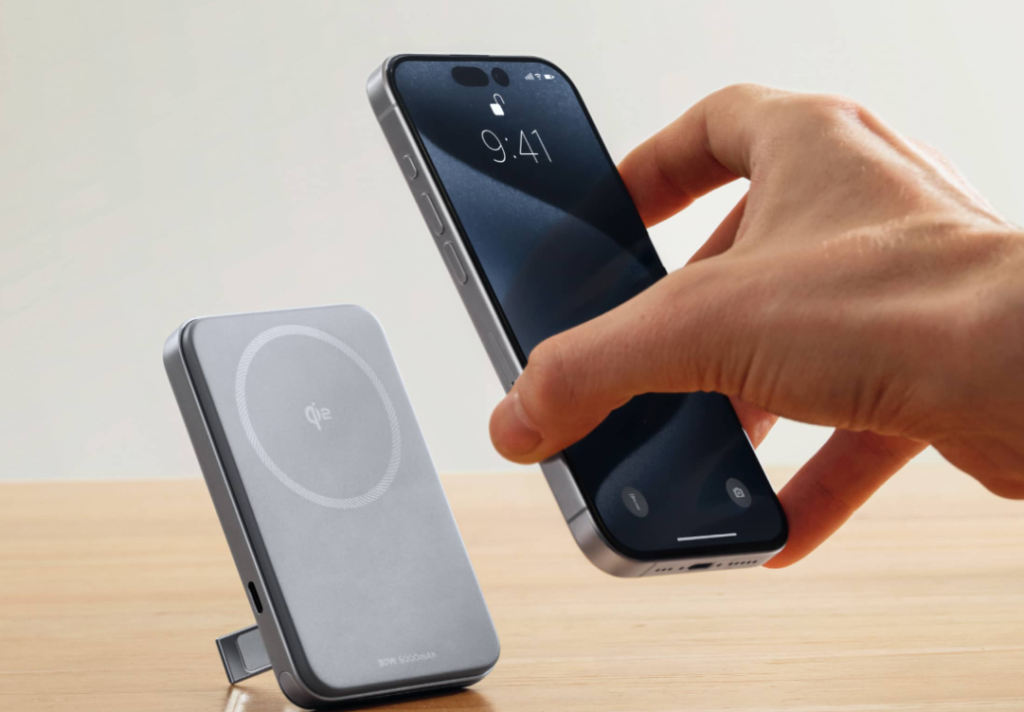
Imagine a world where charging your devices is as simple as placing them on any surface, without the hassle of tangled cords. You might already be familiar with wireless charging, but have you ever wondered if it can work through metal?
Picture the sleek design of your favorite gadget, unburdened by any charging ports and seamlessly powered through its metal casing. Intriguing, isn’t it? This concept not only promises convenience but also opens up a realm of possibilities for design and functionality in tech.
As you delve into this article, you’ll uncover the science behind wireless charging, explore its potential, and discover whether this futuristic vision can become a reality. Could this be the innovation that transforms how you interact with technology? Keep reading to find out!

Credit: www.theverge.com
Wireless Charging Basics
Wireless charging through metal poses challenges due to interference with electromagnetic fields. Metal can block or distort the wireless signals, preventing efficient charging. Innovative technologies are exploring solutions to overcome these obstacles for seamless charging experiences.
How Wireless Charging Works
Wireless charging uses electromagnetic fields to transfer energy. The charger creates a field. This field is captured by the device coil. Then the device converts the field to electricity. No cables are needed for charging. It is convenient for users.Common Materials Used
- Plastic: Often used for phone cases.
- Glass: Common in smartphone backs.
- Ceramic: Used in premium devices.
- Metal: Metal interferes with wireless charging.
Challenges With Metal
Metal blocks wireless charging signals. This is a big problem. The signals can’t pass through metal. So, charging slows down or stops. Metal cases or covers cause this. They make devices hard to charge wirelessly. Even small metal objects can interfere. Coins or keys in a pocket may block the signal. Removing metal helps the charging work better.
Metal gets hot during charging. This is a safety worry. Heat can damage devices. It may also harm batteries. Hot surfaces can burn skin. Metal holds heat longer than plastic. This makes it risky for long charges. Using heat-safe materials helps a lot. Some chargers have special designs. They keep devices cool while charging. It’s safer and better for the device.
Technological Innovations
Wireless charging has seen significant growth in recent years. It allows devices to charge without wires. But metal surfaces have been a challenge. Metal can block the energy needed for charging. Engineers are working hard to fix this problem. New technologies aim to let chargers work through metal. This could make charging more efficient. It would also make devices more versatile. Many companies are researching these solutions.
Material engineers are finding new ways to solve the metal barrier issue. Special materials are being developed. These materials help energy pass through metal. They make charging easier and faster. Engineers are also testing different coatings. These coatings allow energy to flow smoothly. This could change how we use and design devices. Future devices might have metal bodies that can charge wirelessly.

Credit: www.anker.com
Current Research And Developments
Scientists are testing new ways to charge through metal. They use special materials and designs. These help signals pass through metal barriers. Some researchers focus on thin metal layers. Others try different signal frequencies. The goal is to improve charging efficiency. There are many experiments with mixed results. Some work well, others not so much. Finding the right technique is important. It can change how we charge devices.
Some projects have seen success with metal charging. A few companies have shared their results. They show it can work. But, not all attempts succeed. Some ideas fail due to technical issues. Others struggle with cost and design. Successful stories inspire more research. Failures teach valuable lessons too. Both are important for progress. Learning from both helps improve future designs.
Future Prospects
Exploring wireless charging through metal opens up exciting possibilities for device design. Engineers aim to overcome metal’s interference with electromagnetic fields. Successful implementation could lead to sleek, metal-bodied gadgets with convenient charging capabilities.
Potential Breakthroughs
Wireless charging through metal faces a big challenge. Metal blocks the charging signals. Scientists are working to solve this problem. Special materials may help in future. These materials can let signals pass through metal. This could make wireless charging easier.
Some companies are testing new ideas. They want to make charging work with metal cases. This could change how we use phones and devices. Everyone is excited about these new ideas.
Impact On Device Design
Designers might need to change device looks. Future devices could be thinner and lighter. Metal cases are strong but block charging. New designs will use different materials. These will allow charging signals to pass through.
People want stylish devices with metal looks. Designers must balance style and function. They aim to keep devices pretty and useful. Metal-like materials could be the answer. It will be fun to see new device designs.

Credit: www.reddit.com
Implications For Consumers
Wireless charging through metal could enhance convenience by removing the need to remove metal phone cases. Consumers may experience improved device protection and seamless charging, making everyday technology use simpler and more efficient.
Safety Considerations
Wireless charging through metal raises safety concerns. Metal can heat up quickly. This might cause burns or damage to devices. Consumers must ensure devices have safety features. Features like temperature control are important. Some chargers have overheat protection. These features keep devices safe. Choosing quality chargersis crucial. Look for trusted brands. Avoid cheap, unknown brands. They might not have safety checks. Safety should always come first.
Practical Applications
Metal can block wireless charging signals. This affects charging speed. Some devices use special designsto work with metal. They have coils that are better for metal surfaces. Consumers should check device compatibility. Not all devices work well with metal. It’s useful for charging in cars. Many cars have metal parts. Special chargers can be installed in them. They allow convenient charging on the go. Always check if your device supports this.
Frequently Asked Questions
What Materials Block Wireless Charging?
Metal objects, thick cases, and magnetic mounts block wireless charging. Ensure your case supports wireless charging for seamless use.
What Can Interfere With Wireless Charging?
Metal objects, thick cases, and magnetic mounts can interfere with wireless charging. Ensure alignment between the device and charging pad. Keep a distance from Wi-Fi routers and other electronic devices to avoid signal disruption.
Can You Use Metal While Charging?
Using metal while charging can be risky. Metal can conduct electricity and cause short circuits or overheating. Avoid metal objects near charging devices to ensure safety and prevent damage. Always prioritize using non-metal surfaces and chargers designed for your device to minimize hazards.
Will Magnets Interfere With Wireless Charging?
Magnets can interfere with wireless charging by disrupting the magnetic field. Use phone cases designed for wireless charging compatibility. Keep magnets away from the charging area to ensure efficient power transfer. Some chargers and devices use magnets safely, like MagSafe, so verify compatibility with your device.
Conclusion
Metal and wireless charging have a complex relationship. Current technology struggles with efficiency. Metal interferes with the charging process. Some innovative solutions are emerging. These promise to overcome metal’s interference. But challenges remain. Engineers are researching new ways to charge through metal.
Future advancements could change the landscape. For now, wireless charging through metal is limited. Understanding these limits helps set realistic expectations. As technology evolves, possibilities may expand. Stay informed about the latest developments. Wireless charging is evolving rapidly. The future looks promising, but patience is key.