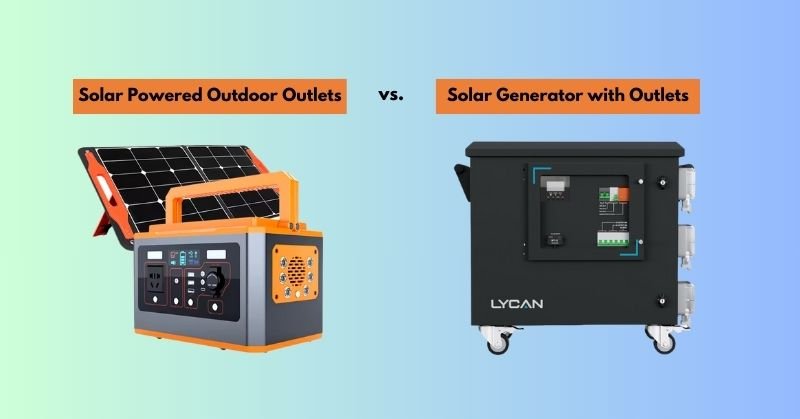
Imagine harnessing the power of the sun to keep your home running smoothly. You might have wondered if you can connect a solar generator to a regular outlet.
This question taps into your curiosity and desire for a sustainable future. You’ll discover the possibilities and limitations of solar generators. We’ll explore how they can fit into your everyday life, without the need for complex installations. Are you ready to learn how to make the most of solar energy with ease?
Stay with us as we uncover practical insights and solutions that could transform your energy consumption forever.

Credit: nerdbot.com
Solar Generator Basics
Connecting a solar generator to a regular outlet requires careful consideration. It’s important to ensure compatibility and safety. Use an inverter to convert solar power to a usable form for home outlets.
Components And Functions
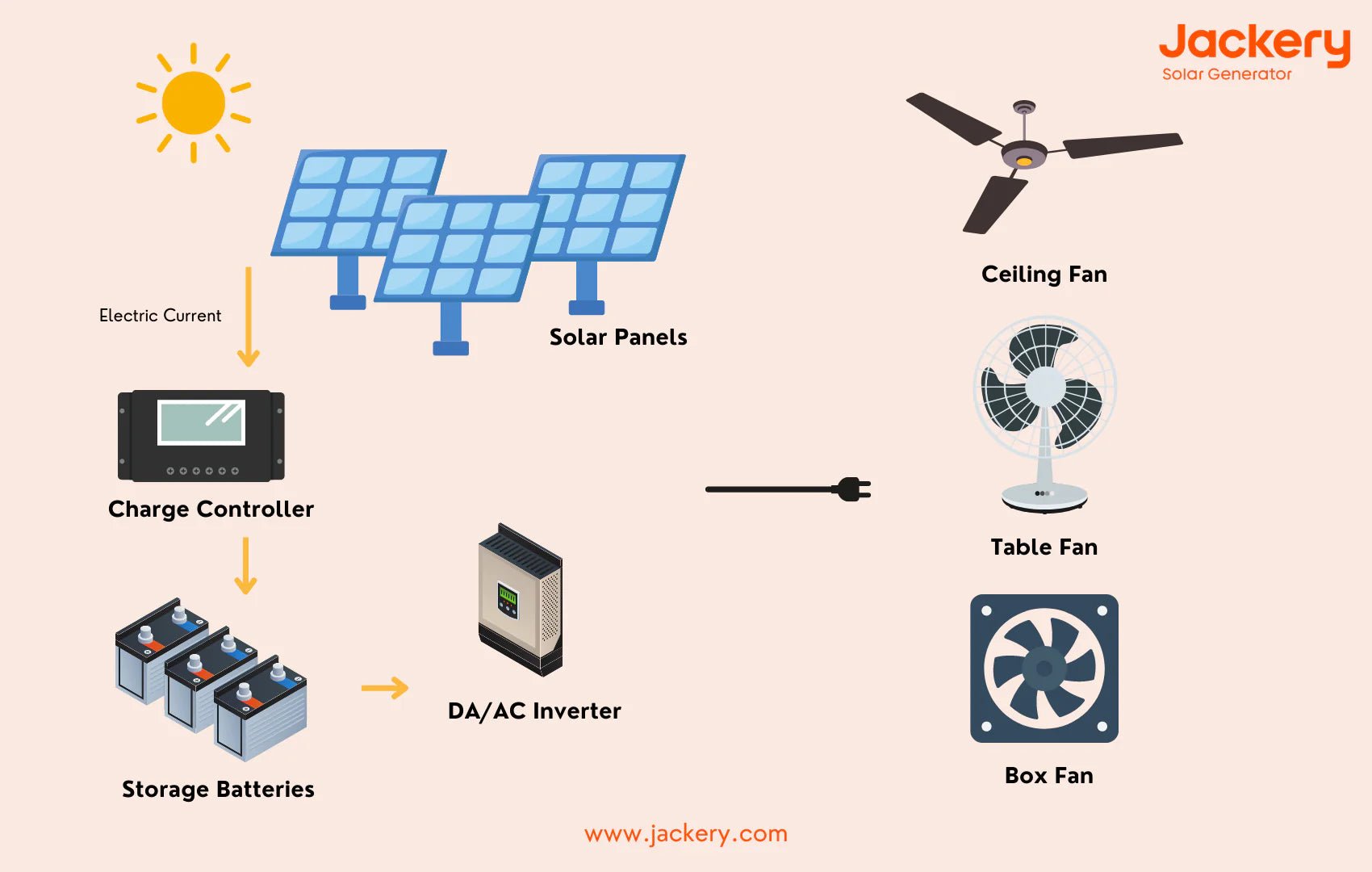
Solar generators have several key parts. Solar panels catch sunlight and turn it into energy. Batteries store this energy for later use. Inverters change stored energy to power home devices. Each part plays an important role. Together, they make the solar generator work efficiently.
Types Of Solar Generators
- Portable Solar Generators: Easy to carry. Great for camping or trips.
- Home Solar Generators: Larger and more powerful. Used for household needs.
- Hybrid Solar Generators: Mix of solar and other energy sources. Offers flexibility and reliability.
Regular Outlets Explained
Connecting a solar generator to a regular outlet requires careful setup to ensure safety and functionality. Specialized adapters might be necessary to bridge the connection between solar output and household wiring. Always consult the solar generator’s manual for specific instructions and safety precautions.
Electrical System Overview
Every home has an electrical system. It carries power to devices. Wires run through walls and ceilings. They connect to outlets in each room. Electricity flows to these outlets. It powers lights, TVs, and more. Outlets have two slots and a round hole. The slots carry the electric current. The hole is for grounding. This keeps electricity safe. Electric current is like water in pipes. It flows smoothly and steadily. Too much can cause problems.
Standard Outlet Specifications
Most outlets in homes are 120 volts. They can handle up to 15 or 20 amps. This means they can support most household devices. Bigger appliances need special outlets. These are often 240 volts. Regular outlets are different. They have three holes. Two for power, one for safety. Plugging devices into them is easy. Just match the plug to the holes. Ensure the plug fits snugly. Loose plugs can cause problems.
Connection Possibilities
Solar generatorsare useful for powering devicesduring outages. Connecting them directly to a regular outletcan be tricky. Regular outlets may not support the voltageneeded. This can cause damage to both the generator and the outlet. Safety is a key concern when attempting direct connections.
Direct Connection Challenges
Directly connecting a solar generator can cause electrical issues. Outlet overloads may happen. This is unsafe and risky. Proper methods should be used to avoid problems.
Safe Connection Methods
Using a transfer switchis a safe method. It helps in directing power safely. Another method is using extension cordsfor specific devices. Ensure cords are rated for the generator’s power. This prevents overloads and ensures safety.
Credit: www.jackery.com
Benefits Of Connecting
Connecting a solar generator to a regular outlet offers easy access to renewable energy. This setup can save electricity costs and reduce reliance on traditional power sources.
Energy Efficiency
Connecting a solar generator to a regular outlet can improve energy efficiency. Solar power is clean and renewable. It reduces reliance on fossil fuels. It also helps lower carbon footprints. This connection is simple and effective. Solar generators produce energy from sunlight. They store energy in batteries. This stored energy powers devices efficiently.
Cost Savings
Using solar energy can lead to significant cost savings. Electricity bills can be reduced. Solar generators use free energy from the sun. They reduce the need for expensive electricity. Initial setup costs may be high. But savings accumulate over time. Solar power is a wise investment. It can save money in the long run.
Potential Risks
Overloading circuitscan happen if a solar generator is plugged into a regular outlet. Home circuits may not handle the extra power. This can cause wires to heat up. Hot wires can start fires. Make sure to check the circuit’s capacity first. Use the generator only with safe loads.
Connecting solar generators improperly can be dangerous. It might result in electric shocks. Shocks can hurt people badly. Always follow safety rules. Use correct cables and sockets. This prevents accidents. Wear rubber gloves for safety. Safety must always come first.

Credit: www.youtube.com
Installation Tips
Connecting a solar generator to a regular outlet requires careful planning. Ensure the generator’s wattage matches the outlet capacity. Always follow safety guidelines to prevent electrical hazards and consult a professional if unsure.
Tools And Equipment Needed
Gather the right tools for a smooth installation. You need a screwdriver, a wrench, and a voltage tester. A power cordand extension cableare also essential. Keep a multimeterhandy for checking connections. Ensure you have a drillfor making holes if required. Wear protective glovesto keep your hands safe. Finally, keep a user manualfor guidance. These tools make the job easier and safer.
Step-by-step Guide
- Switch off the main power supply first.
- Use the voltage tester to confirm no power flow.
- Connect the power cord to the solar generator.
- Plug the other end into the regular outlet.
- Check all connections for safety.
- Turn on the solar generator to start.
- Monitor the generator for proper operation.
- Make sure the setup is secure and stable.
Maintenance And Troubleshooting
Connecting a solar generator to a regular outlet requires careful handling. Safety precautions are essential to prevent electrical issues. Ensure compatibility between the generator and outlet before proceeding.
Regular Checks
Checking your solar generator is very important. Look at the wires for any damage. Make sure all connections are tight. Check the battery levels often. Clean the solar panels gently with a soft cloth. This helps them work well. Watch for any strange noises or smells. If something seems wrong, stop using it.
Common Issues And Solutions
- Battery not charging:Check if the solar panel is in the sun.
- Loose connections:Tighten any loose cables or wires.
- No power output:Make sure the generator is switched on.
- Strange noises:Turn off the generator and inspect it.
- Overheating:Allow the device to cool down before using it again.
Frequently Asked Questions
How Do You Hook Up A Solar Generator To Your House?
Connect the solar generator to your home’s electrical panel using a transfer switch. Ensure all connections are secure. Consult a professional electrician for safety and compliance with local codes. Regularly monitor the system’s performance for optimal efficiency. Always follow the manufacturer’s instructions for installation and maintenance.
How Long Will A 1000 Watt Solar Generator Run A Refrigerator?
A 1000-watt solar generator can run a refrigerator for about 8-12 hours. The exact duration depends on the refrigerator’s energy consumption and the generator’s battery capacity. Efficient energy management can extend run time. Always check the fridge’s wattage and generator specifications for precise calculations.
Can I Plug A Generator Into A Regular Outlet?
Plugging a generator into a regular outlet is dangerous and illegal. Use a transfer switch to connect properly. This prevents backfeeding, which can harm utility workers and damage your home’s electrical system. Always follow safety guidelines when using generators to ensure safe operation.
How Big Of A Solar Generator Do You Need To Power A House?
To power a house, a solar generator needs at least 5,000 to 7,000 watts. This size supports essential appliances and lighting. Calculate your total energy consumption to determine the exact size needed. Consider factors like location, solar panel efficiency, and battery storage capacity for optimal performance.
Conclusion
Connecting a solar generator to a regular outlet isn’t straightforward. Direct connection can damage your equipment. Always use a transfer switch for safety. It ensures proper power flow. Consult an electrician if unsure. Safety first, always. Solar power offers clean energy.
But, proper setup is crucial. It saves money and prevents damage. A good setup keeps your devices safe. Remember, understanding your equipment is key. Stay informed and make wise choices. Solar energy is powerful. Use it wisely and safely. Proper planning ensures efficient energy use.
Always prioritize safety in your setups.