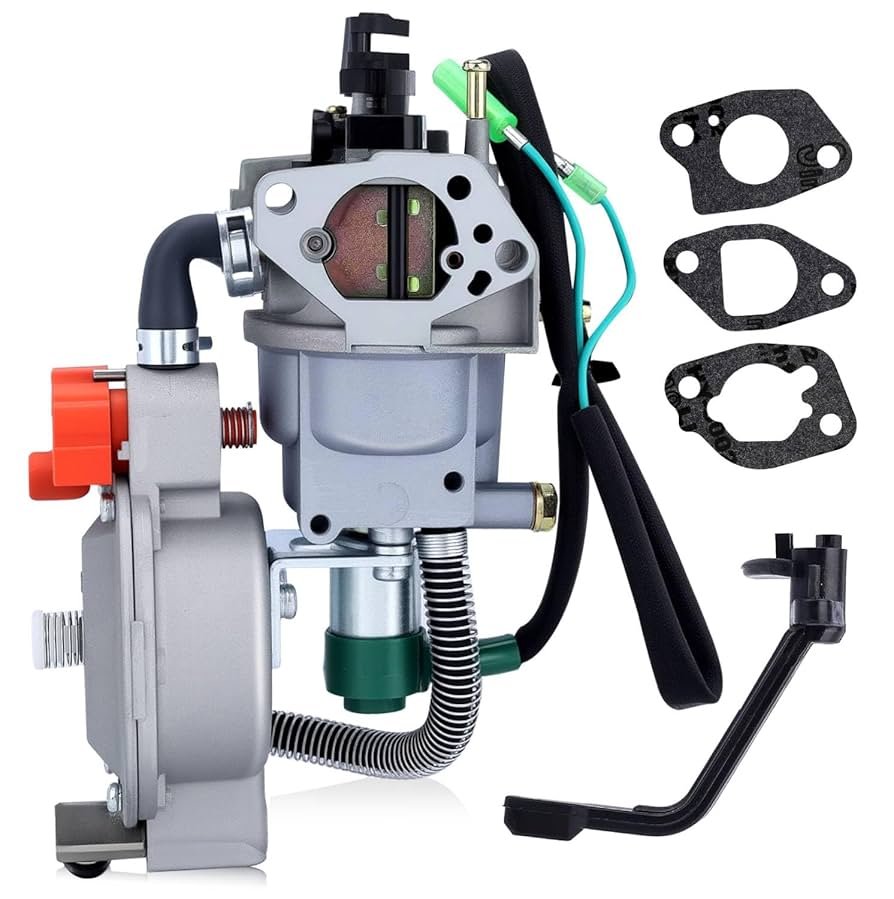
Are you tired of relying solely on gasoline for your generator? Have you ever wondered if it’s possible to switch to a more versatile, dual fuel option?
If the idea of having the flexibility to use either gasoline or propane intrigues you, you’re in the right place. Imagine the peace of mind knowing you can choose the fuel that best fits your needs, especially during emergencies or fuel shortages.
This guide will explore whether you can convert a regular generator to dual fuel, uncovering the benefits and steps involved. Stay with us as we unravel this practical and potentially life-saving upgrade, and empower yourself with the knowledge to make an informed decision.
Dual Fuel Generators Explained
Dual fuel generatorsuse both gasoline and propane. This gives them flexibility. Gasoline is easy to find. Propane burns cleaner and lasts longer. Dual fuel generators switch between these fuels easily. They have a special switch for this.
Dual fuel generators are popular. They are useful during power outages. People use them in emergencies. Having two fuel options is a big advantage. It helps when one fuel is not available.
These generators are versatile. They can power many devices. This makes them ideal for homes and small businesses. They are also portable. You can take them camping or to job sites.
Dual fuel generators are reliable. They provide power for many hours. This makes them a great choice for many users.
Benefits Of Dual Fuel Conversion
Dual fuel generators can use both gas and propane. Propane can be stored for longer times. This gives more choices during fuel shortages. Switching fuels is easy and quick. This flexibility is great for emergencies.
Using propane can be cheaper than gasoline. Gas prices often change. Propane prices stay stable. This saves money over time. Dual fuel means choosing the cheaper option. Less spending on fuel is a big plus.
Dual fuel generators run longer. Use propane first, then switch to gasoline. This extends the running time without refueling. Longer runtime means less hassle. It keeps power going when needed most.
Assessing Your Generator’s Compatibility
Converting a regular generator to dual fuel involves assessing compatibility. Check if your generator can support dual fuel kits. Compatibility ensures efficient fuel usage and safe operation.
Types Of Generators
Generators come in different types. Some are portable, others are standby. Portable generators are small and easy to move. Standby generators are big and stay in one place. Each type has unique features. Not all can use dual fuel. Check if your generator supports it. This is important for safe use.
Engine Specifications
The engine is the heart of a generator. Look for engine details in the manual. Check if it mentions dual fuel. Engines need special parts for dual fuel. Without these, conversion is tough. Using the wrong fuel can harm the engine. Always ensure compatibility.
Age And Condition
Newer generators are easier to convert. Older ones may lack needed parts. Check your generator’s condition. Worn-out generators may not work well with dual fuel. Inspect for rust, wear, or damage. Keeping it in good shape is key.

Credit: www.amazon.ca
Necessary Tools And Kits
Converting a regular generator to dual fuel requires specific tools and kits. A conversion kit, wrenches, and screwdrivers are essential. Ensure compatibility and follow instructions for safe installation.
Conversion Kits
To change a generator to dual fuel, a conversion kit is vital. These kits include parts to run on gasoline or propane. They make the switch easy and safe. Look for kits that fit your generator model. Proper size ensures a smooth conversion.
Required Tools
- Wrench setfor tightening bolts.
- Screwdriverfor removing and attaching parts.
- Drillfor creating new holes if needed.
- Hose clampsto secure fuel lines.
Safety Equipment
Safety is crucial when converting generators. Always wear safety gloves to protect your hands. Use goggles to shield your eyes from debris. A mask can help avoid inhaling fumes. Ensure your workspace is well-ventilated. This reduces the risk of accidents.
Step-by-step Conversion Process
Converting a regular generator to dual fuel involves installing a conversion kit. This kit includes components like a fuel regulator and hoses. Follow instructions carefully to ensure proper installation and operation.
Preparation Steps
Prepare the generator for conversion. Gather necessary tools and materials. Ensure safety gear is ready. Read the generator’s manual. Identify important parts.
Installation Of Conversion Kit
Attach the conversion kit securely. Follow the kit’s instructions carefully. Double-check all connections for safety. Make sure nothing is loose. Connect the fuel line properly.
Testing And Adjustments
Start the generator with dual fuel. Check for any unusual noises. Adjust the fuel settings if needed. Ensure the generator runs smoothly. Test both fuel types separately. Confirm everything works as expected.

Credit: westinghouseoutdoorpower.com
Safety Considerations
Safety should be your top priority when converting a regular generator to dual fuel. Ensure proper ventilation to prevent carbon monoxide buildup. Always follow the manufacturer’s guidelines and consult a professional if unsure.
Handling Fuel Safely
Always store fuel in approved containers. Keep these away from heat sources. Never smoke near fuel storage areas. Use a funnel to pour fuel into the generator. This helps prevent spills. Clean up any spills immediately. Fuel vapors can ignite easily. Be cautious when handling.
Ensuring Ventilation
Generators produce harmful gases like carbon monoxide. Operate them outside only. Make sure the area has good airflow. Keep the generator away from windows and doors. This prevents fumes from entering the home. Fresh air is important for safety.
Regular Maintenance
- Check oil levels frequently.
- Clean air filters regularly.
- Inspect fuel lines for leaks.
- Replace worn-out parts promptly.
- Follow the manufacturer’s guidelines.
Legal And Warranty Implications
Converting a regular generator to dual fuel may void its warranty, as manufacturers often restrict modifications. Legal implications can arise if the conversion leads to safety hazards or fails to meet regulatory standards. Always consult professionals before proceeding with such changes.
Warranty Voidance
Changing a generator to dual fuel may void its warranty. Manufacturers often state that any modifications can cancel coverage. This means that if something breaks, you might have to pay for repairs yourself. Always check the warranty terms before making changes.
Regulatory Compliance
Generators must meet certain rules to be safe. Modifying your generator could make it non-compliant. This means it might not be legal to use. You could face fines or other penalties. It’s important to know local laws and regulations.
Insurance Considerations
Insurance policies may not cover modified equipment. If your generator causes damage, you could be liable. This means you would pay for any repairs or replacements. Check your policy before converting your generator.
Expert Tips And Recommendations
Selecting a kit is very important. Quality kits ensure safety and efficiency. Check compatibility with your generator model. Look for kits with clear instructions. Ensure the kit includes all necessary parts. This avoids last-minute purchases.
Hiring a professional is recommended. Experts know the proper installation techniques. They prevent potential damage to the generator. Safety is their priority. Professionals ensure the generator works efficiently. This saves time and reduces risks.
- Regularly check fuel lines for leaks.
- Clean the generator to prevent dirt build-up.
- Check for any unusual noises.
- Test the generator monthly to ensure it’s working.
- Replace old parts with new ones when necessary.

Credit: westinghouseoutdoorpower.com
Frequently Asked Questions
Can I Convert My Generator To Dual Fuel?
Yes, you can convert your generator to dual fuel with a conversion kit. Ensure compatibility with your generator model. Installation requires technical skills, so consider professional assistance for safety and efficiency. This upgrade allows usage of both gasoline and propane, enhancing flexibility and fuel availability.
What Is The Disadvantage Of A Dual Fuel Generator?
Dual fuel generators can be costly and require more maintenance. They may have lower efficiency than single fuel models. Fuel availability issues can arise, and switching between fuels might be inconvenient. They can be heavier, affecting portability. Complex systems may lead to higher repair costs.
How Long Will A 20 Lb Tank Of Propane Run A Generator?
A 20 lb propane tank typically runs a generator for 8 to 10 hours. The exact duration depends on the generator’s wattage and load. Check your generator’s specifications for more accurate estimates. Efficient usage and regular maintenance can also impact the runtime.
Can You Convert Any Generator To Propane?
Yes, many generators can be converted to propane using conversion kits. Check compatibility with your specific model. Conversion enhances fuel efficiency and reduces emissions. Always follow manufacturer instructions for safety. Consider professional installation to ensure proper setup and operation.
Conclusion
Converting a regular generator to dual fuel can be practical. It offers flexibility and can save money on fuel. Many conversion kits are available for this purpose. Ensure compatibility with your generator model. Follow the instructions carefully for a safe conversion.
Dual fuel generators are useful in emergencies. They can run on both gasoline and propane. This versatility makes them a smart choice. Always prioritize safety during installation and use. Consider consulting a professional if unsure. This way, your generator becomes more adaptable and efficient.
Enjoy the benefits of dual fuel power!