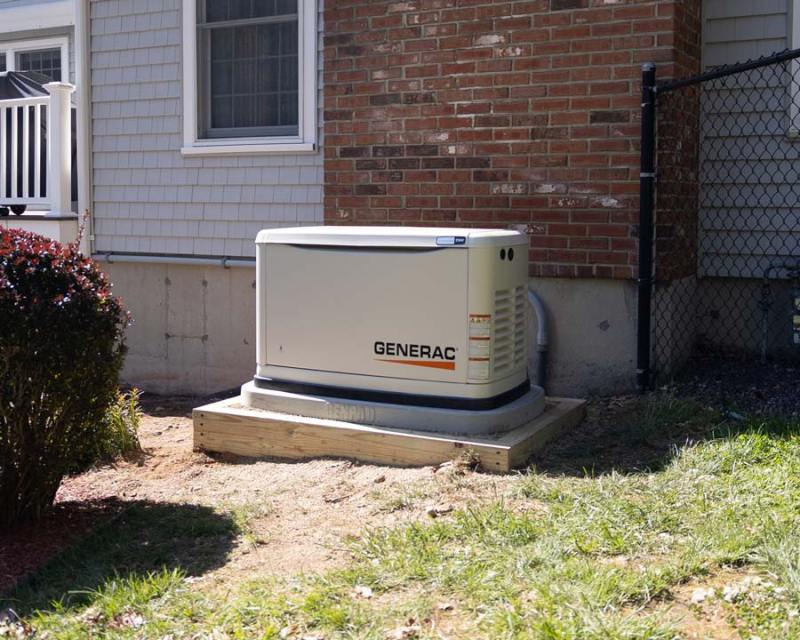
Ever wondered if you can handle the maintenance of your standby generator on your own? You’re not alone.
Many homeowners like you are curious about the ins and outs of keeping their generators in top shape without professional help. Imagine the confidence and peace of mind you’ll gain by mastering this essential skill. Not only could you save money, but you’ll also ensure that your generator is ready to power up when you need it most.
Before you dive in, there are crucial things you need to know. Stick with us as we unravel the mysteries of generator maintenance and empower you with the knowledge you need.
Benefits Of Diy Generator Maintenance
Cost savingscome from avoiding expensive repair bills. Doing small fixes yourself means fewer calls to technicians. You only spend on parts, not labor.
Improved reliabilityhappens because you check the generator often. Problems get spotted early and fixed fast. This keeps your generator ready for use anytime.
Increased equipment lifespanis possible with regular care. Cleaning, oil changes, and inspections stop wear and tear. Your generator can work well for many more years.
Essential Tools And Supplies
Basic hand tools like wrenches, screwdrivers, and pliers are essential. These tools help with tightening bolts and removing parts easily. A socket set is useful for working on nuts and bolts of different sizes.
Fluids and filters need regular checking and replacement. Keep engine oil, coolant, and fuel filters ready. Fresh oil keeps the engine running smoothly. Clean filters prevent dust and dirt from damaging the generator.
Safety gear protects you during maintenance. Wear gloves to avoid cuts and burns. Safety glasses shield your eyes from debris. Hearing protection is important when the generator runs loud. Work in a well-ventilated area to avoid inhaling fumes.
Routine Maintenance Tasks
Checking the oil and coolant levelshelps keep the generator running smoothly. Use the dipstick to check oil. Add oil if it’s low. For coolant, check the reservoir and refill if needed. This prevents engine damage.
Replacing air and fuel filtersis key. Dirty filters block airflow and fuel flow. This can cause the generator to stall or work less well. Change filters as the manual says to keep power steady.
Battery health is very important. Inspect the battery terminalsfor corrosion and clean them carefully. Check battery charge and replace it if it is weak. A good battery ensures easy starting every time.
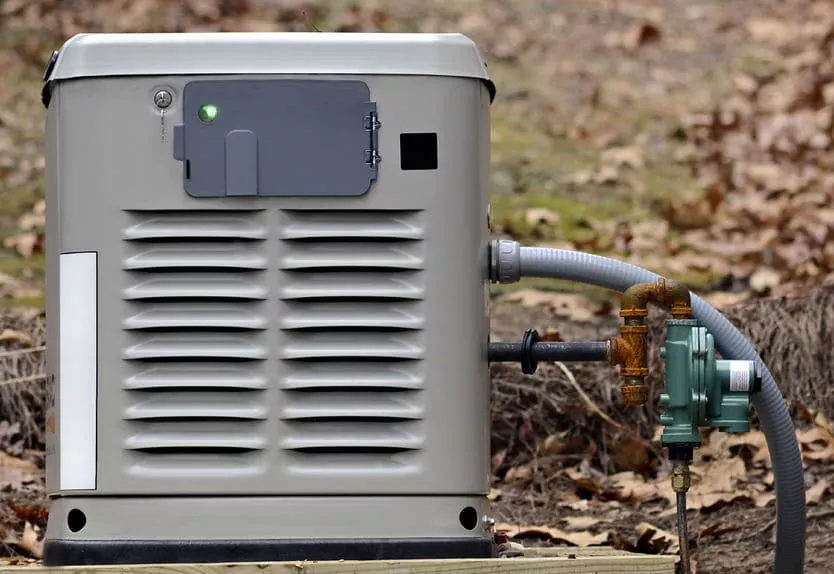
Credit: www.premium-electric.ca
Safety Precautions To Follow
Always perform maintenance in a well-ventilated area. This helps avoid dangerous fume buildup. Fresh air keeps you safe from harmful gases.
Handling fuel requires extra caution. Store fuel in approved containers. Avoid spills and keep away from flames or sparks. Wear gloves to protect your skin.
Before starting any work, disconnect all power sources. This prevents accidental electric shocks. Turn off the generator and unplug it completely.
Common Issues And Troubleshooting
Starting problemscan happen if the battery is weak or dead. Check the battery charge and connections first. Dirty spark plugs might also stop the generator from starting. Clean or replace them to fix this issue.
Unusual noisesmay come from loose parts or worn-out belts. Tighten any loose bolts and inspect belts for cracks or wear. Strange sounds could also mean the engine oil is low. Check and refill oil as needed.
Fuel system troublesoften involve clogged filters or stale fuel. Replace the fuel filter regularly to keep fuel flowing well. Old fuel can cause the engine to stall or run rough. Drain old fuel and refill with fresh fuel.
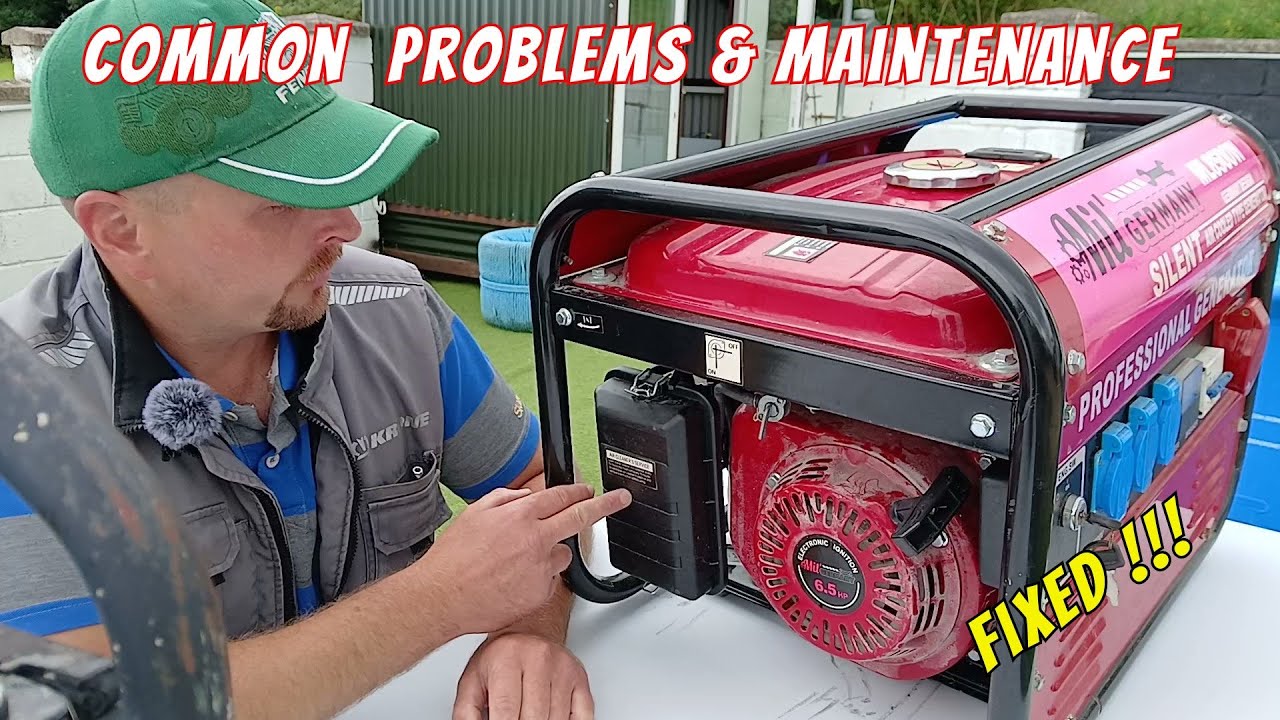
Credit: www.youtube.com
When To Call A Professional
Complex repairsrequire special tools and skills. These jobs can be dangerous and may cause more damage if done wrong. It is best to hire a professional to handle engine problems, electrical issues, or fuel system repairs. Safety should always come first.
Warranty considerationsare very important. Doing repairs yourself might void the warranty. Professionals know how to fix problems without breaking warranty rules. This helps keep your generator protected and saves money in the long run.
Regular professional inspectionshelp spot small problems early. Experts check parts, oil, and filters to keep your generator working well. Scheduling yearly or twice-yearly check-ups can prevent costly breakdowns and extend the generator’s life.
Maintaining Records And Schedules
Keeping clear recordsof all maintenance work helps track your generator’s health. Write down each activity with the date and what was done. This way, you can see what needs to be done next.
Setting reminders ensures you never forget important tasks. Use a calendar or phone app to alert you about oil changes, filter checks, or battery tests. Staying on schedule keeps the generator ready to run when needed.
| Part | Replacement Date | Next Due |
|---|---|---|
| Oil Filter | Jan 10, 2024 | July 10, 2024 |
| Air Filter | Feb 15, 2024 | Aug 15, 2024 |
| Battery | Mar 20, 2024 | Mar 20, 2025 |
Tracking parts replacement dates helps avoid unexpected breakdowns. Replace parts on time for smooth operation. Keep a simple log to remember each part’s status.

Credit: www.angi.com
Frequently Asked Questions
Can I Perform Maintenance On My Standby Generator?
Yes, you can perform basic maintenance like checking oil and filters. However, complex repairs should be handled by professionals to ensure safety.
How Often Should Standby Generator Maintenance Be Done?
Standby generators should be maintained at least twice a year. Regular checks prevent breakdowns and extend the generator’s lifespan effectively.
What Tools Do I Need For Standby Generator Maintenance?
Basic tools include wrenches, screwdrivers, oil filters, and cleaning supplies. Specialized tools may be required for advanced repairs by professionals.
Is It Safe To Do Your Own Standby Generator Maintenance?
Routine maintenance is safe if you follow the manufacturer’s instructions. Always disconnect power and handle fuel carefully to avoid accidents.
Conclusion
Doing your own maintenance on standby generators can save money and time. Basic tasks like checking oil or filters are easy to learn. Yet, some jobs need expert skills for safety and best results. Regular upkeep helps your generator work well during outages.
Stay safe by knowing your limits and asking for help when needed. Taking care of your generator keeps power ready when you need it most. Simple steps make a big difference in its lifespan and performance.