
Imagine a stormy night in Cape Coral, Florida. The wind howls, rain pours, and suddenly, your power goes out.
Darkness envelops your home, and you’re left wondering how long it will last. But what if you had a solution that kept your lights on and your home running smoothly, no matter the weather? A standby generator could be your answer.
If you’ve ever wondered whether you can have a standby generator in Cape Coral, you’re in the right place. This article will explore everything you need to know about having one in your area, so you can keep your peace of mind when the next storm rolls in. Stay with us as we dive into the details and discover why a standby generator might be the perfect addition to your home.

Credit: westinghouseoutdoorpower.com
Benefits Of Standby Generators
Power securityduring outages is vital in Cape Coral. Standby generators start automatically when power goes out. This keeps your lights, fridge, and air conditioning running without interruption. No need to worry about food spoiling or staying in the dark.
Protecting home appliancesis another key benefit. Sudden power cuts can damage electronics and appliances. A standby generator provides stable power, preventing damage and saving repair costs.
Owning a standby generator can also enhance property value. Many buyers in Cape Coral prefer homes with backup power. It shows the house is prepared for storms and outages, making it more attractive and valuable.
Local Regulations In Cape Coral
Cape Coral requires a permitbefore installing a standby generator. The city checks the location, size, and typeof the generator. Paperwork must be submitted to the local building departmentfor approval.
Noise limits are strict. Generators must not exceed 60 decibelsduring the day and 50 decibelsat night. This helps keep neighborhoods quiet and peaceful.
| Installation Guidelines | Description |
|---|---|
| Distance from Property Line | Generators must be at least 5 feet away from neighbors’ property. |
| Fuel Storage | Fuel tanks must meet safety standards and be installed properly. |
| Electrical Connections | Only licensed electricians can connect the generator to the house. |
Choosing The Right Generator
Choosing the right generatormeans thinking about power needs and fuel types. A generator too small won’t run all your devices. Too large wastes money and space. Sizing your generatordepends on what you want to power, such as lights, fridge, or air conditioning.
Fuel optionsinclude natural gas, propane, and diesel. Natural gas is clean and easy to use if your home has a gas line. Propane is good for storage and lasts long. Diesel is strong but can be noisy and smelly.
Automatic vs manual startaffects convenience. Automatic generators turn on by themselves during power loss. Manual ones need you to start them by hand. Automatic is best for quick power return. Manual costs less but needs attention.

Credit: westinghouseoutdoorpower.com
Installation Process
Choosing the right locationfor a standby generator is very important. It should be placed on a flat, stable surface, away from windows and doors. This helps to reduce noise and avoid fumes entering your home. The generator needs space for proper airflow to stay cool.
Experts recommend hiring a licensed professionalfor the installation. They know local rules and codes in Cape Coral, Florida. Proper wiring and connection to your home’s electrical system are crucial. This ensures the generator works safely and efficiently.
Safety is key during installation. The generator must be grounded to avoid shocks. Keep it clear of flammable materials. Install carbon monoxide detectors inside the house to detect harmful gases. Regular maintenance checks help keep the system safe and ready to use.
Maintenance And Upkeep
Routine inspections help keep your standby generatorworking well. Check oil levels, filters, and fuel. Look for leaks or rust. Test the battery and start the engine monthly. This avoids sudden breakdowns.
Fuel storage needs care. Store fuel in clean, sealed containersaway from heat and sunlight. Use fuel stabilizers to keep fuel fresh. Replace old fuel every six months to avoid clogging.
Troubleshooting common issues is simple. If the generator won’t start, check the battery and fuel supply. Listen for strange sounds or smells. Clean or replace air filters if the engine runs rough. Keep the manual handy for quick fixes.
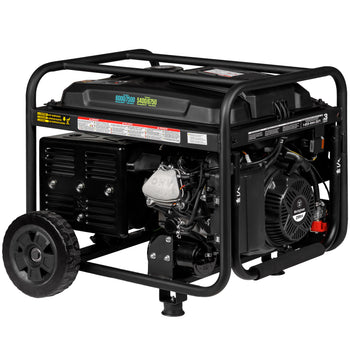
Credit: westinghouse.com
Costs And Financing
Costs for standby generators in Cape Coral vary by size and installation needs. Financing options often include loans or payment plans to ease upfront expenses. Understanding these helps plan your budget effectively.
Initial Investment
The cost to buy a standby generator in Cape Coral varies. Prices range from $2,000 to $15,000depending on size and brand. Installation adds $1,500 to $5,000more. You may need permits, which cost extra. Choosing a larger generator means higher initial costs but better coverage during outages.
Operating Expenses
Fuel is the main ongoing cost. Generators use natural gas, propane, or diesel. Fuel prices change and affect running costs. Regular maintenancelike oil changes and inspections keep the generator working well. Maintenance costs usually run around $100 to $300per year.
Available Incentives
| Incentive Type | Description | Possible Savings |
|---|---|---|
| Federal Tax Credit | Credits for energy-efficient generators | Up to 30% of cost |
| Local Rebates | Some Florida utilities offer rebates | $100 to $500 |
| Financing Options | Low-interest loans available through some programs | Varies by lender |
Alternatives To Standby Generators
Portable generatorsoffer flexibility and easy setup. They can power essential appliances during outages. These generators are smaller and less expensive than standby models. They run on gasoline or propane but need careful handling due to fumes and noise. Ideal for short-term power needs and outdoor use.
Solar power systemsuse sunlight to generate electricity. They provide clean, quiet, and renewable energy. Solar panels can charge batteries to store power for nighttime use. Though initial costs are higher, solar systems lower energy bills over time. Perfect for eco-friendly homeowners.
Battery backup solutionsstore energy for immediate use during blackouts. These systems are quiet and require little maintenance. They work well with solar panels or grid electricity. Batteries provide power for lights, small appliances, and electronics. A good choice for limited power needs without fuel.
Frequently Asked Questions
Can I Legally Install A Standby Generator In Cape Coral Florida?
Yes, you can legally install a standby generator in Cape Coral. However, you must follow local building codes and obtain necessary permits. It’s important to comply with noise and safety regulations to avoid fines or issues.
What Permits Are Required For Standby Generators In Cape Coral?
You need a building permit from the City of Cape Coral for installing a standby generator. An electrical permit is also required to ensure proper and safe installation by licensed professionals.
Are There Noise Restrictions For Standby Generators In Cape Coral?
Yes, Cape Coral enforces noise ordinances. Standby generators must meet local noise limits, typically around 60 decibels during the day. Choosing a quiet model helps comply with these regulations and avoids complaints.
How Often Should A Standby Generator Be Serviced In Cape Coral?
Regular servicing is essential, ideally every 6 to 12 months. Routine maintenance ensures reliability during power outages and extends the generator’s lifespan. Hire certified technicians for proper care.
Conclusion
Standby generators provide reliable power during outages in Cape Coral. They keep homes safe and comfortable when storms hit. Local rules and permits matter, so follow them closely. Choose the right size for your home’s needs. Professional installation ensures your generator works well and stays safe.
A standby generator is a smart choice for peace of mind. Stay prepared and protect your family from power loss.