
Imagine a stormy night when the power suddenly goes out. You’re left in the dark, and your home’s safety and comfort are at risk.
This is where standby generators become your best ally, ensuring you never miss a beat. But what if one generator isn’t enough? Can you pair standby generators to double the power and security? Understanding this can change how you prepare for unexpected outages.
We’ll explore the possibilities and benefits of pairing standby generators, providing you with insights that could enhance your peace of mind. Stay with us, and you’ll discover how to keep your home powered, no matter what.
Benefits Of Pairing Standby Generators
Pairing standby generators offers enhanced power capacity. Two units together can provide more electricity than one. This is useful for homes or businesses with high energy needs.
It also brings improved system reliability. If one generator fails, the other can still work. This reduces the risk of a total power outage.
Cost efficiency is another benefit. Using two smaller units can be cheaper than buying one large generator. Maintenance and fuel costs may also be lower.

Credit: blog.norwall.com
Types Of Standby Generator Pairing
Parallel operation setupconnects two or more standby generators. This setup boosts power output and ensures better reliability. Generators run together, sharing the load smoothly. It helps avoid power drops during high demand times.
Load sharing techniquesbalance power between generators. Each generator works at its best level. This avoids overloading one unit and wasting fuel. Load sharing improves efficiency and generator lifespan.
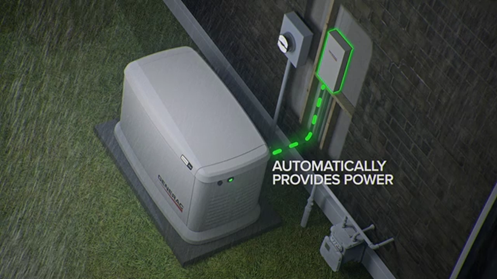
Automatic transfer switch integrationswitches power from the main source to generators. It detects power failure and starts generators immediately. This switch also manages the connection of multiple generators. It ensures safe and quick power transfer without user action.
Installation Requirements
Choosing the right siteis key for standby generators. The area must be flat, dry, and have enough spacefor airflow and maintenance. Generators should be placed away from windows and doors to avoid noise and fumes entering buildings.
Electrical wiring needs to be done by a licensed electrician. Proper connectionsensure safe power transfer. Use correct cablesand follow local codesto prevent short circuits or fires.
| Safety Standard | Description |
|---|---|
| NFPA 70 (NEC) | Guides electrical wiring and installation for generators. |
| EPA Regulations | Limits generator emissions to protect the environment. |
| OSHA | Ensures safe working conditions during installation. |
Following these requirementshelps keep the installation safeand efficient.
Credit: www.generac.com
Control And Synchronization
Synchronization methodshelp standby generators work together smoothly. They match the voltage, frequency, and phase of each unit. This avoids power surges or damage. Common methods include manual synchronizationand automatic synchronization. Automatic systems use sensors and controllers to keep units in sync without human help.
Control systems for paired unitsmanage the start, stop, and load sharing between generators. They ensure both units share power load evenly. This prevents one generator from overworking. Control panels often have easy-to-read displays and buttons for user control.
Monitoring and maintenance toolstrack generator health and performance. These tools alert users about fuel levels, oil pressure, and engine temperature. Regular checks using these tools help avoid breakdowns and extend generator life.
Challenges And Solutions
Pairing standby generators can cause compatibility issues. Different models may have voltageor frequency mismatches. This can lead to power surgesor equipment damage. Always check the specificationsbefore connecting.
Load imbalance happens when generators share power unevenly. This causes overloadon one unit and underuseon another. Proper load managementhelps keep power balanced. Use automatic load sharing devicesfor better control.
Troubleshooting common problems includes:
- Checking connectionsfor loose wires
- Ensuring fuel supplyis steady
- Monitoring output voltage and frequency
- Resetting control panelsafter faults
- Consulting manufacturer manualsfor error codes
Applications And Use Cases
Standby generators provide reliable powerwhen the main electricity fails. They keep homes runningby powering lights, refrigerators, and heating systems. This helps families stay safe and comfortable during outages.
In commercial and industrialplaces, generators support machines, computers, and lighting. This prevents business lossesand keeps work going smoothly. Pairing generators can handle larger loads and extend backup time.
Critical infrastructurelike hospitals, water plants, and emergency centers need constant power. Generators ensure life-saving devicesand essential systems stay on. Pairing standby generators offers extra protectionfor these vital services.
Future Trends In Generator Pairing
Smart grid integrationhelps generators work well with the electric grid. It allows smooth power flow and better energy use. Standby generators can now communicate with the grid to balance supply and demand.
Renewable energy hybrid systemscombine generators with solar or wind power. This mix reduces fuel use and pollution. The system switches between sources to keep power steady.
Advancements in control technologymake managing paired generators easier. New controls allow automatic start and stop based on power needs. They also improve safety and reduce wear on the machines.

Credit: www.angi.com
Frequently Asked Questions
Can You Connect Two Standby Generators Together?
Yes, you can connect two standby generators using a transfer switch. This allows them to share the load and provide more power. Proper installation by a professional is essential for safety and efficiency.
What Are The Benefits Of Pairing Standby Generators?
Pairing standby generators increases total power output and reliability. It ensures continuous power during high demand or generator maintenance. This setup also offers flexibility and can reduce the risk of power outages.
Are There Any Risks In Pairing Standby Generators?
Yes, improper pairing can cause electrical faults or damage. It requires correct synchronization and wiring to avoid overloads. Always use a qualified electrician to ensure safe and compliant installation.
How Does A Transfer Switch Work With Paired Generators?
A transfer switch manages power flow between generators and the home. It prevents backfeeding and safely switches power sources. This device is crucial for pairing standby generators effectively.
Conclusion
Pairing standby generators can boost your power backup. It needs careful planning and the right equipment. You must check if your generators support parallel operation. Safety and proper installation are very important. This setup can give you more power when you need it most.
Always consult a professional before making changes. Stay prepared and keep your home or business running smoothly.