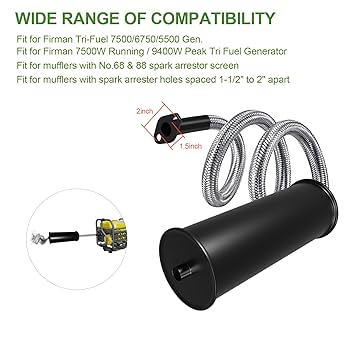
Is your generator making too much noise? That constant loud hum can be annoying, especially if you use it at home or during outdoor activities.
You might be wondering, “Can you put a quieter muffler on my generator? ” The good news is, there are ways to reduce that noise and make your generator much more pleasant to be around. You’ll discover simple, effective solutions to lower the sound without losing power.
Keep reading to find out how you can enjoy a quieter, more peaceful generator experience.
Noise Issues With Generators
Generators often produce noise between 60 to 90 decibels. This level can disturb neighbors and wildlife. Noise depends on the generator’s size and model. Smaller generators tend to be quieter but still make noise.
High noise levels can cause stressand hearing issues. Loud sounds may disturb sleep and reduce focus. Animals nearby may feel scared or stressed by loud noise.
| Noise Level (dB) | Common Source | Impact |
|---|---|---|
| 30-50 | Quiet conversation, small generator | Calm, no disturbance |
| 60-70 | Normal generator, busy street | Moderate disturbance, stress risk |
| 80-90 | Large generator, heavy traffic | High disturbance, hearing risk |

Credit: www.amazon.ca
Role Of Mufflers In Noise Reduction
Mufflershelp lower the loud noise made by generators. They work by slowing down and cooling the hot gases coming out of the engine. This process reduces the sound waves and makes the noise softer.
Mufflers use chambers and tubes inside to reflect and absorb sound. They stop the noise from escaping directly into the air. This makes the generator run more quietly without losing power.
| Type of Muffler | Description | Best For |
|---|---|---|
| Standard Muffler | Basic design, reduces noise slightly | Small home generators |
| Chambered Muffler | Uses chambers to reflect sound waves | Medium generators |
| Turbo Muffler | Complex design, high noise reduction | Large generators and commercial use |
| Resonator Muffler | Matches sound frequency to cancel noise | Quiet operation needed |
Choosing A Quieter Muffler
Choosing a quieter muffler means checking if it fits your generator model. Not all mufflers work with all generators. Make sure the muffler matches the engine size and type. A wrong fit can cause damage or poor performance.
Materials like stainless steel last longer and reduce noise better. Designs with extra chambers or packing material help absorb sound. Some mufflers have special coatings to resist heat and rust.
| Feature | Benefit |
|---|---|
| Compatibility | Ensures proper fit and function |
| Material (Stainless Steel) | Durable and noise-reducing |
| Design (Chambers/Packing) | Better sound absorption |
| Heat-Resistant Coating | Protects from rust and damage |

Credit: www.reddit.com
Installation Tips For Mufflers
DIY installationcan save money but requires tools and skills. Make sure the muffler fits your generator model. Follow the instructions carefully to avoid mistakes. Professional installationensures proper fit and function. Experts have the right tools and knowledge. This option reduces the risk of damage or injury.
Safety is very important. Always turn offthe generator and let it cool before working on it. Wear gloves and eye protection to avoid burns and injuries. Check for gas leaks after installation. Make sure all connections are tight and secure.
Alternative Noise Reduction Methods
A soundproof enclosurecan reduce noise from a generator effectively. These enclosures are made with materials that absorb sound, like foam or heavy plastic. They surround the generator to block noise from reaching the outside.
Placementmatters a lot. Putting the generator far from living areas helps reduce noise. Placing it behind barriers, such as walls or fences, can also block sound waves.
- Use dense materials for barriers to stop sound better.
- Keep the generator on a soft surface to cut vibration noise.
- Leave space around the generator for airflow and cooling.
Maintaining Mufflers For Longevity
Keeping your generator’s muffler clean helps it last longer. Dirt and debris can block airflow. This makes the engine work harder and sound louder. Cleaning the muffler regularly keeps it clear and quiet.
Check the muffler for signs of wear. Look for cracks, rust, or holes. These issues can cause noise and reduce performance. Replace the muffler if damage is found. A new muffler can restore quiet operation and protect the engine.

Credit: lj-machine.com
Frequently Asked Questions
Can I Install A Quieter Muffler On Any Generator?
Yes, most generators can have quieter mufflers installed. Ensure compatibility with your model and check local noise regulations before purchasing.
How Much Noise Reduction Does A Quieter Muffler Provide?
A quieter muffler can reduce noise by 5 to 15 decibels. This makes the generator sound significantly less loud and more pleasant.
Will A Quieter Muffler Affect My Generator’s Performance?
No, a properly designed quieter muffler maintains performance. It reduces noise without lowering engine efficiency or power output.
Are Quieter Mufflers Expensive For Generators?
Quieter mufflers vary in price but are generally affordable. Costs depend on brand, size, and noise reduction quality.
Conclusion
Quieting your generator is possible with a suitable muffler. It reduces noise and makes your environment more peaceful. Choosing the right muffler requires research and understanding your generator’s needs. Consult a professional for the best advice and installation. This ensures safety and efficiency.
A quieter generator can improve your comfort and satisfaction. It’s a smart investment for those who value peace. Consider your options and take action today. Enjoy a quieter life and a happier neighborhood. Make sure your choice fits your budget and needs.
A little change can make a big difference.