
Imagine never worrying about your fridge stopping during a power outage. Picture yourself enjoying the freedom of having a reliable backup power source, powered by the sun, right in your backyard.
If you’ve ever wondered whether you can run a fridge on a portable solar backup, you’re in the right place. This article is your guide to understanding the possibilities and practicality of using solar energy to keep your food fresh and your drinks cold.
By the end, you’ll know if this eco-friendly solution fits your needs and how you can make it work for your lifestyle. Dive in, and discover the power of solar energy in your home.
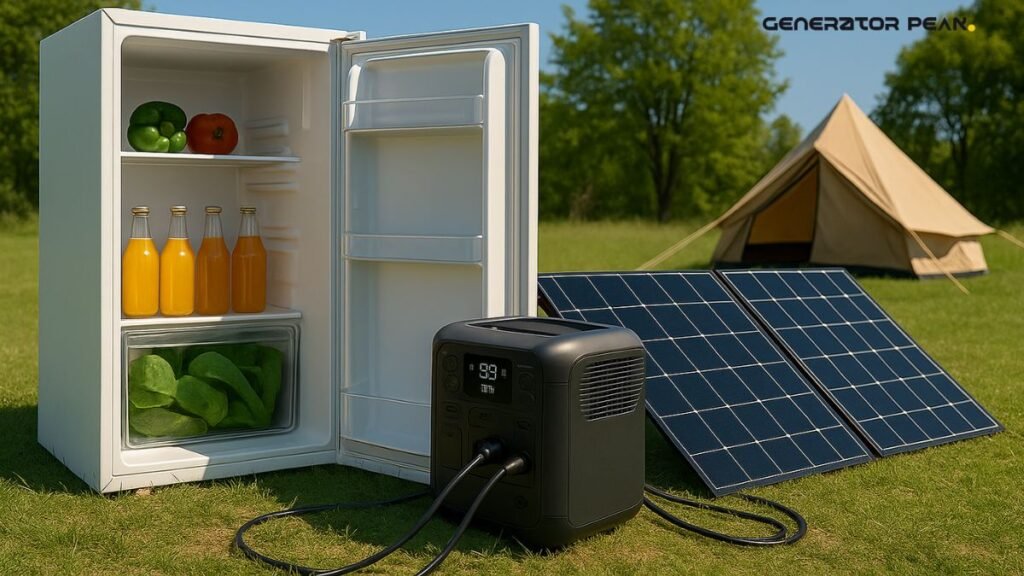
Credit: generatorpeak.com
Portable Solar Backup Basics
A solar backup system has three main components. First, solar panels. They catch sunlight and change it into energy. Second, a battery. It stores the energy for use later. Third, an inverter. It changes stored energy into usable power. Each part is important for the system to work well.
Portable solar panels catch sunlight. Sunlight has energy. Panels use this energy to make electricity. They send electricity to a battery. The battery keeps the energy. Then, an inverter makes the energy usable. It turns it into power for gadgets. This is how solar panels help run a fridge.
Power Requirements For A Fridge
Running a fridge on a portable solar backup is possible with sufficient power capacity. Ensure the solar system provides enough wattage for continuous operation. Proper planning guarantees a reliable energy source for your fridge.
Understanding Fridge Energy Consumption
Fridges need power to keep food cold. Most fridges use between 100 to 800 watts. Check the label on your fridge to know exact usage. Older fridges use more power than new ones. Energy-efficient fridges save power and money. Always consider the fridge’s age and size. Smaller fridges use less power than big ones.Calculating Solar Power Needs
To run a fridge on solar, first find the fridge’s wattage. Multiply wattage by hours the fridge runs. This gives total daily power needs. Solar panels must match or exceed this number. Don’t forget battery storage for cloudy days. Batteries store extra energy for when the sun isn’t shining. Check local sunlight hours to plan better. More sunlight means more solar power available. `Setting Up The Solar System
Solar panels collect sunlight. This sunlight turns into energy. Picking the right panels is crucial. Check the wattage they produce. More watts mean more energy. Ensure panels fit your space. They should be easy to install. Quality matters for long-lasting panels. Durable panels last longer.
Inverters change solar power to usable power. Your fridge needs this power. Pick an inverter that matches your fridge. Check its capacity to handle the load. A good inverter works efficiently. Look for built-in safety features. Safety first!
Batteries store extra energy. This energy is for cloudy days. Choose batteries with enough capacity. They should be safe and reliable. Lithium batteries are popular. They last longer. Check the warranty for peace of mind. A good warranty is important.

Credit: www.jackery.com
Challenges And Solutions
Running a fridge on a portable solar backup presents challenges like limited energy storage and cloudy weather. Effective solutions include using energy-efficient fridges and investing in larger solar panels and batteries. Proper management ensures consistent power for uninterrupted fridge operation.
Overcoming Weather Variability
Weather changescan make solar power tricky. On cloudy days, solar panels give less energy. This means the fridge might not work as well. To solve this, use a battery. The battery stores extra energy from sunny days. Use this energy on cloudy days. This keeps the fridge running smoothly. Also, a backup generator can help. Use it when the sun doesn’t shine. This way, the fridge stays cold always.
Managing Energy Efficiency
Fridges use a lot of power. To save energy, choose a small and efficient fridge. It uses less power. Also, keep the fridge door shut. This keeps the cold inside. Another tip is to place the fridge in a cool spot. Away from sunlight and heat sources. This helps it work better and use less power. Finally, clean the fridge coils. Dirty coils make the fridge work harder. Clean coils save energy.
Benefits Of Solar-powered Fridges
Solar-powered fridges use the sun’s energy. They don’t need coal or oil. This means less air pollution. Clean air is better for our health. Animals and plants also benefit. We protect nature by using solar energy. This helps fight climate change. Solar power is a green choice. It is renewable and sustainable. A small step for a big change.
Solar fridges save money. They use free sunlight. No need to pay for electricity. Bills get smaller over months. Savings add up. Solar panels last for years. One-time cost, long-term benefit. Maintenance is low-cost too. Good for the wallet, good for the planet.

Credit: iallpowers.com
Real-world Examples
Real-world examples show that running a fridge on a portable solar backup is possible with the right setup. Many people use solar panels and batteries to keep their fridges cool, even during power outages. This eco-friendly solution is gaining popularity in remote areas.
Successful Solar Fridge Projects
Solar fridgeshave been used in many places. People use them in remote areas. They need electricity for storing food. Some projects show great success. A small village used solar power for their fridge. It worked well. The village saved money on electricity. The fridge stayed cold all day.
Lessons Learned From Users
Users learned many things. Solar panelsshould be big enough. They need enough sunlight. Batteries must be strong. They store energy for night use. Keep the fridge in a cool spot. It uses less energy this way. Clean the solar panels often. This helps them work better.
Frequently Asked Questions
How Big A Portable Power Station Do I Need To Run A Refrigerator?
Choose a portable power station with at least 1000Wh capacity. Most refrigerators need around 100-800 watts. Check your fridge’s wattage and add a 20% buffer. This ensures it runs efficiently during power outages or outdoor activities. Always opt for slightly higher capacity for added safety.
How Much Solar Power Is Needed To Run A Refrigerator?
A refrigerator typically needs 100 to 800 watts of solar power, depending on its size and efficiency. Calculate the total watt-hours by multiplying the fridge’s wattage by daily running hours. Ensure your solar panel system can support this energy requirement, including battery storage for cloudy days or nighttime usage.
How Long Will A Jackery 1000 Run A Full-size Refrigerator?
A Jackery 1000 can power a full-size refrigerator for approximately 7-10 hours. Duration depends on fridge efficiency and power consumption. Always check your refrigerator’s wattage to ensure compatibility with the Jackery 1000. For longer use, consider energy-efficient models or additional power sources.
Can A Portable Solar Generator Power A Refrigerator?
Yes, a portable solar generator can power a refrigerator. Ensure the generator’s wattage matches the refrigerator’s power needs. Check both starting and running watts. Consider battery capacity for continuous use. Solar panels and sunlight availability also impact efficiency. Proper setup ensures uninterrupted refrigerator operation.
Conclusion
Running a fridge on a portable solar backup is doable. It requires planning and the right equipment. Understand your fridge’s energy needs first. Choose a solar system that meets those needs. It’s essential for optimal performance. Consider battery storage for cloudy days.
It ensures your fridge runs continuously. Regular maintenance also boosts efficiency. Solar power offers a green solution. It’s both cost-effective and eco-friendly. Great for reducing electricity bills. Perfect for off-grid living too. Embrace solar energy. It’s a smart choice for sustainable living.