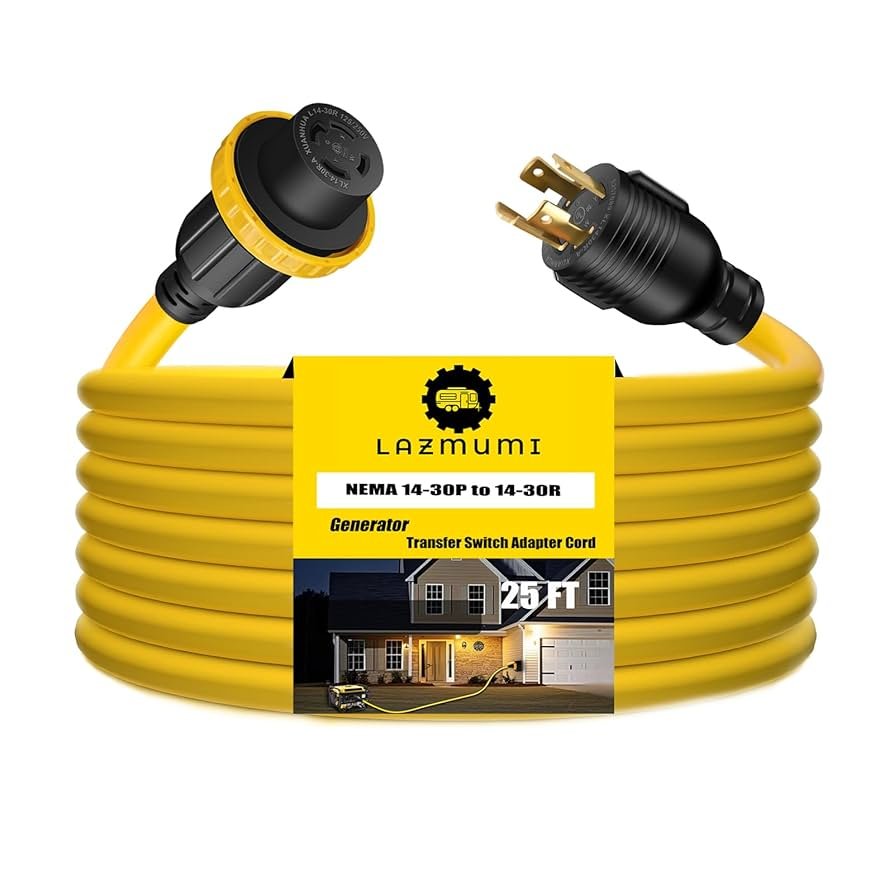
Are you wondering if you can use a regular extension cord with your generator? You’re not alone.
Many people face this question, especially during unexpected power outages or while setting up outdoor events. It’s crucial to ensure safety and efficiency, but making the right choice can be puzzling. You might think all extension cords are the same, but using the wrong one can lead to a range of problems, from overheating to potential hazards.
Imagine the peace of mind knowing your power setup is secure and reliable. That’s what you’ll achieve by understanding the ins and outs of extension cords and generators. This article will guide you through the essential facts, helping you make an informed decision. By the end, you’ll know exactly what to look for and how to keep your home and family safe. Dive in and uncover the secrets to the perfect power connection!
Generator Basics
Using a regular extension cord with a generator is not always safe. Ensure the cord is rated for outdoor use and can handle the power load. This prevents overheating and potential hazards.
How Generators Work
Generators create electricity through a simple process. They have an engine that runs on fuel. This engine turns a rotor inside a coil. The movement makes electric current. This current flows to your devices. Generators are handy during power outages. They can power lights, fridges, and more.Types Of Generators
There are different types of generators for various needs.- Portable Generators: Small and easy to move. Good for camping and emergencies.
- Standby Generators: Large and fixed. They power homes automatically during outages.
- Inverter Generators: Quiet and efficient. They are ideal for sensitive electronics.
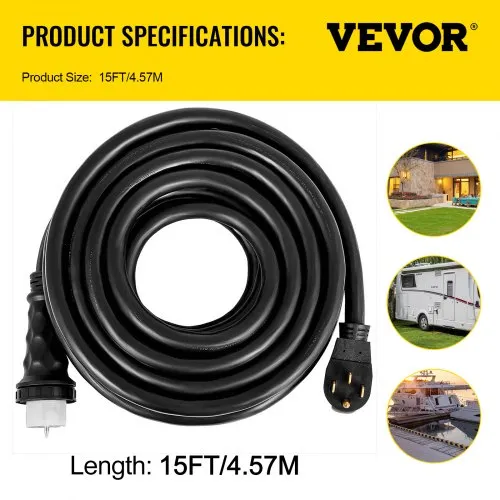
Credit: www.vevor.com
Extension Cords Overview
Extension cords carry power over distances. They connect devices to outlets. Choosing the right cord is crucialfor safety. Cords come in different types for different needs. Some are light-duty for small devices. Others are heavy-duty for powerful machines.
Types Of Extension Cords
- Light-duty:Used for lamps and small gadgets. Not for big tools.
- Medium-duty:Suitable for TVs and computers. Handles more power.
- Heavy-duty:Perfect for power tools and generators. Very strong and safe.
Extension Cord Specifications
Specifications tell how much power a cord can handle. Look for the gauge number. A lower number means a thicker wire. Thicker wires carry more electricity. Also, check the cord’s length. Longer cords may need thicker wires to be safe.
Safety Considerations
Using a regular extension cord with a generator poses risks. These cords may not handle the power safely, leading to overheating. Choose cords specifically designed for generator use to ensure safe operation.
Risks Of Using Regular Extension Cords
Regular extension cords can be dangerouswith generators. They may not handle high power. This can cause the cord to overheat. Overheating can lead to fires. Cords might not be waterproof. They can create a shock hazard in wet areas. Regular cords may also lack the proper gauge. This results in power loss and damage to appliances. Using the wrong cord is riskyfor your safety.
Signs Of Overloading
- Cord feels hotto touch.
- Appliances are not working properly.
- Circuit breakers keep tripping.
- Cord emits a burning smell.
- Plug or outlet has burn marks.

Credit: www.amazon.com
Choosing The Right Extension Cord
Always pick the right gaugefor your extension cord. Thicker wires can carry more electricity. Look for cords labeled 12-gaugeor 10-gaugefor generators. They handle heavy loads safely. Shorter cords work better. Long cords can lose power. A cord under 100 feetis ideal. This ensures your devices get full power.
Generators often stay outside. Use cords that resist weatherconditions. Check for cords marked outdoor use. These resist rain, sun, and cold. Look for a rubberor vinylcoating. This keeps cords safe and dry. Protects against cracks and cuts too. Safe cords last longer in tough conditions.
Proper Usage Guidelines
Using a regular extension cord with a generator can be risky. Choose a heavy-duty cord designed for outdoor use. This ensures safety and efficiency.
Connecting Extension Cord To Generator
Using an extension cord with a generator is common. Ensure the cord is heavy-duty and rated for outdoor use. Connect the cord securely to the generator. The plug must fit snugly into the socket. Check for frayed wires or damage. Damaged cords can be dangerous.
Avoiding Common Mistakes
- Do not use indoor cords outdoors. They are not safe.
- Keep cords away from water. Water can cause shocks.
- Do not overload the cord. Overloading can cause fires.
- Ensure the cord length is appropriate. Too long cords lose power.
Alternatives To Extension Cords
Using a regular extension cord with a generator can be risky. Heavy-duty cords are safer and designed for high power. Always ensure the cord matches the generator’s wattage to prevent overheating.
Generator Transfer Switches
Generator transfer switchesare a safe option for using a generator. They connect the generator to the home’s electrical panel. This allows you to power multiple appliances at once. You won’t need multiple extension cords. A transfer switch prevents overloads. It keeps your home safe from electrical fires. It also makes using a generator easier. You can easily switch between generator and grid power. This option is ideal for long-term use. It is more reliable than extension cords.
Portable Power Stations
Portable power stationsstore energy for later use. They are like big battery packs. You can charge them using a generator or solar panels. Once charged, they power small devices. Phones, tablets, and small appliances can be used. These power stations are silent and clean. No fumes or noise like traditional generators. They are perfect for camping or outdoor events. Easy to carry and user-friendly. They provide a reliable power source when needed.

Credit: www.amazon.com
Frequently Asked Questions
Can I Use A Regular Extension Cord With A Generator?
Using a regular extension cord with a generator is unsafe. Choose a heavy-duty cord rated for outdoor use. Ensure it matches the generator’s wattage output to avoid overheating and fire hazards. Always prioritize safety and follow the manufacturer’s instructions for proper generator usage.
Do You Need A Special Cord To Run A Generator?
Yes, you need a heavy-duty extension cord designed for generators. It ensures safe power transfer and supports high wattage. Choose a cord with the correct gauge and length for your generator’s output. Using the wrong cord can cause power loss or damage to appliances.
What Should Never Be Plugged Into An Extension Cord?
Large appliances like refrigerators, ovens, and air conditioners should never be plugged into extension cords. These devices require high power, risking overheating and fire hazards. Always plug them directly into wall outlets to ensure safety and efficiency. Extension cords are suitable for low-power items only.
How Many Watts Can A Regular Extension Cord Handle?
A regular extension cord typically handles between 1,625 to 1,875 watts. Check the cord’s specifications for exact capacity. Overloading can lead to overheating and potential hazards. Always ensure the cord matches the power needs of your devices. Use cords with proper ratings for safety and efficiency.
Conclusion
Choosing the right extension cord for your generator is crucial. Safety comes first. Regular cords might not handle generator power. They can overheat. This poses risks. Use heavy-duty cords designed for generators. These cords ensure safe power use. Check wattage ratings before use.
Always follow manufacturer guidelines. Safe practices protect your devices and home. Investing in the right tools makes a difference. Stay informed and prioritize safety. It’s worth the effort. Your equipment will thank you. So will your peace of mind.