
Imagine never having to worry about losing power again. Whether it’s due to a storm or a scheduled maintenance, power outages can disrupt your life in an instant.
If you’ve ever found yourself wondering if a standby generator could be the solution to your power woes, you’re not alone. Many people are curious about whether these powerful machines can be used full-time to keep their homes running smoothly.
But is it really possible to rely on a standby generator 24/7? The answer may surprise you. You’ll discover the ins and outs of using a standby generator full time, including the benefits, challenges, and what you need to know before making this important decision. Dive in to uncover whether a standby generator is the power solution you’ve been searching for.
Standby Generators Basics
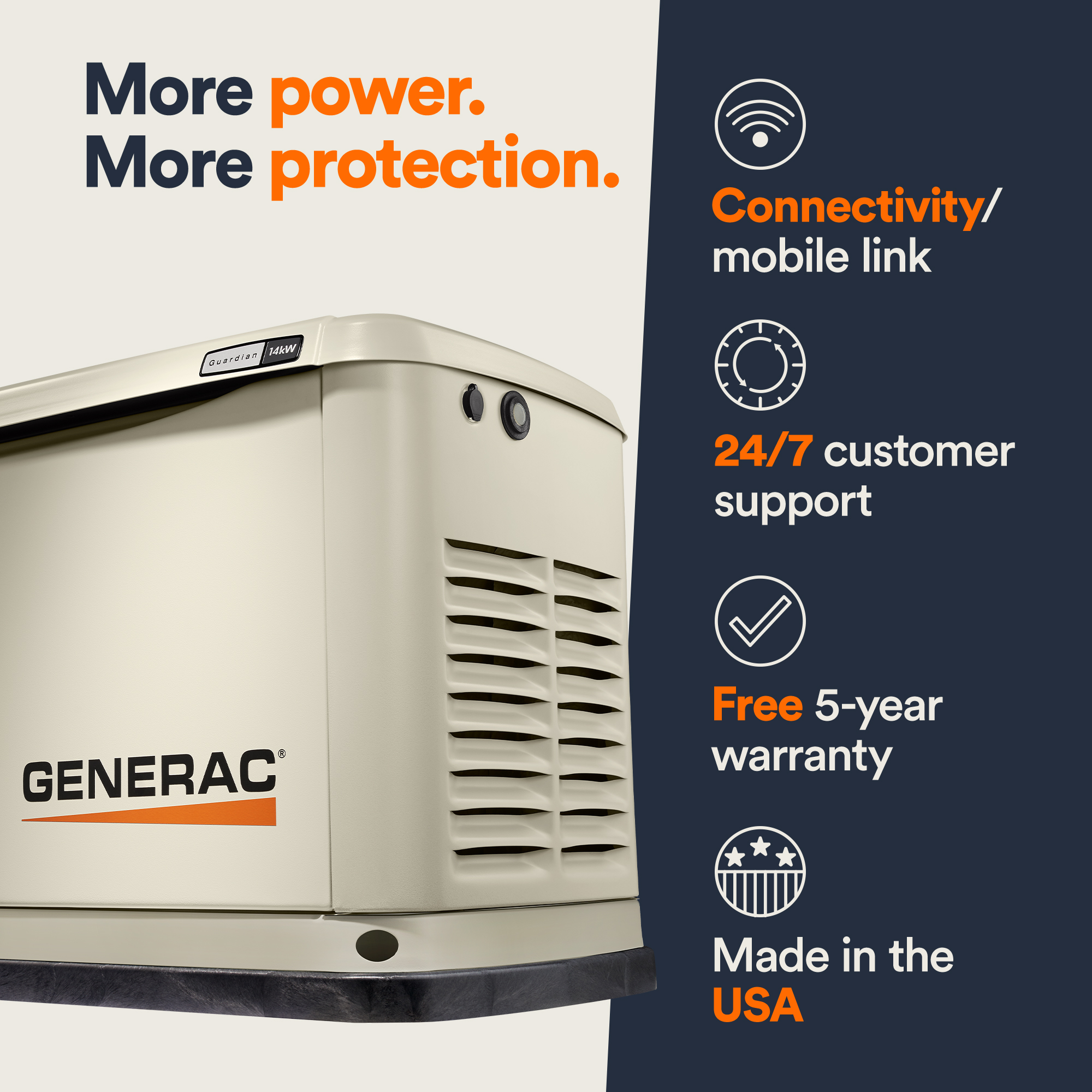
A standby generator is a backup power source for homes or businesses. It turns on automatically during power outages. The system connects to your fuel supply, such as natural gas or propane. It powers your essential appliances and devices without delay. The generator stops once the main power returns.
Standby generators come in several types:
- Air-cooled:Smaller and less expensive, good for small homes.
- Liquid-cooled:Larger, quieter, and better for big homes or buildings.
- Portable:Not automatic, needs manual start, used for short-term needs.
Common uses include:
- Keeping lights and refrigerators on during outages.
- Powering medical devices at home.
- Running security systems or communication devices.
- Maintaining business operations without interruption.
Credit: www.generac.com
Benefits Of Full-time Use
A standby generator can provide uninterrupted power supplyduring outages. This means your home or business keeps running without breaks. You won’t lose access to lights, heating, or cooling.
Enjoy convenience and comfortas the generator starts automatically. No need to plug in or start it manually. It works quietly in the background, so daily life stays normal.
It offers protection against power outages. Food stays fresh in the fridge. Security systems stay active. This helps avoid costly damages or risks.
Drawbacks Of Continuous Operation
Running a standby generator all the time can lead to high fuel consumption. This means more money spent on fuel every month.
Continuous use causes wear and tear. Parts may break faster and need frequent repairs.
| Drawback | Details |
|---|---|
| Fuel Consumption and Costs | Uses a lot of fuel, increasing monthly expenses. |
| Wear and Tear Risks | Constant running wears parts quickly, leading to repairs. |
| Noise and Environmental Impact | Loud noise can disturb neighbors; emissions harm the environment. |
Generators often make loud noises. This can bother neighbors or family members. Also, running all the time causes air pollution. Harmful gases come out, affecting the environment.

Credit: www.angi.com
Maintenance Needs For Full-time Use
Routine checks keep a standby generator running well. Check oil levels and change oil often. Clean or replace air filters to stop dust build-up. Inspect fuel lines for leaks or cracks. Test the battery and replace if weak. Run the generator regularly to keep parts moving.
Common issues to watch for include:
- Fuel contamination
- Overheating
- Battery failure
- Loose connections
- Corrosion on parts
Extending generator lifespan needs care. Store fuel properly and use stabilizers. Keep the generator covered but ventilated. Schedule professional servicing at least once a year. Tighten bolts and clean parts to avoid damage. Regular care means longer, trouble-free use.
Cost Considerations
The initial investmentfor a standby generator can be high. This includes the cost of the unit, installation, and permits. Prices vary based on size and brand. Larger generators cost more. Installation may require professional help.
Operating expensesinclude fuel, maintenance, and repairs. Fuel costs depend on usage and type of fuel. Regular maintenance keeps the generator working well. Repairs can add unexpected costs.
| Cost Factor | Details |
|---|---|
| Initial Investment | Purchase price, installation, permits |
| Operating Expenses | Fuel, maintenance, repairs |
| Long-Term Impact | Energy savings, equipment lifespan, resale value |
Long-term financial impact includes savings on power outages. It may increase property value. Using a generator full time could lower electricity bills. But constant use can shorten its life. Planning costs carefully helps avoid surprises.

Credit: lghomecomfort.ca
Safety And Regulatory Factors
Installation requirementsfor standby generators must meet local codes. Proper permits and inspections ensure safe setup. Generators should be placed on stable, non-flammable surfaces. Maintain clearances from buildings and windows to avoid carbon monoxide risks. Professional installation is highly recommended to meet electrical and fuel standards.
Emissions and environmental ruleslimit generator use in many areas. Some places restrict noise levelsor run times. Generators must comply with air quality standards. Using cleaner fuels or installing mufflers can help meet these rules.
- Run generators outdoorsonly to prevent gas buildup.
- Keep the area around the generator clear and dry.
- Regularly check fuel lines and connections for leaks.
- Follow the manufacturer’s guidelinesfor operation and maintenance.
- Use carbon monoxide detectors near living spaces.
Alternatives To Full-time Standby Generators
Portable generatorsoffer flexible power on demand. They are easy to move and start quickly. These generators are good for short-term use or emergencies. They run on gasoline or propane and are less expensive than standby models. Noise and fuel refills can be drawbacks.
Solar power systemsuse sunlight to make electricity. They are quiet and eco-friendly. Solar panels work well in sunny areas and reduce electric bills. A battery bank stores power for use at night or cloudy days. Initial costs can be high but long-term savings are big.
Battery backup solutionsstore energy for instant use. These systems work silently and require little maintenance. They are ideal for small loads like lights and electronics. Batteries recharge from the grid or solar panels. Limited storage means they last only a few hours during outages.
Frequently Asked Questions
Can A Standby Generator Run Continuously Full Time?
Yes, a standby generator can run continuously, but it’s not designed for full-time use. Extended operation may cause wear and higher fuel costs. Proper maintenance and fuel supply are essential to ensure reliability and longevity.
Is It Cost-effective To Use A Standby Generator Full Time?
Using a standby generator full time is usually expensive due to fuel consumption and maintenance. It’s more cost-effective for occasional power outages or backup rather than continuous use.
What Maintenance Is Needed For Full-time Standby Generator Use?
Full-time use demands frequent oil changes, filter replacements, and inspections. Regular maintenance prevents breakdowns and ensures the generator runs efficiently and safely over long periods.
Are Standby Generators Safe For Continuous Operation?
Standby generators are generally safe for continuous use if properly installed and maintained. However, improper ventilation or fuel handling can cause hazards like carbon monoxide poisoning or fire risks.
Conclusion
Using a standby generator full time is possible but not always ideal. These generators work best during power outages or short-term use. Running them constantly may cause more wear and higher fuel costs. Regular maintenance becomes very important to keep them safe and reliable.
Consider your energy needs and budget before deciding. A standby generator offers peace of mind but think about long-term effects. Choose wisely for your home or business power backup.