
Imagine having an uninterrupted power supply that never falters, not even during the worst storms or unexpected outages. The thought of using a standby generator full-time might have crossed your mind, especially if you’re seeking reliable, continuous power.
But is it truly feasible to rely on a standby generator around the clock? Before you make this crucial decision, it’s important to weigh the pros and cons, understand the potential costs, and consider the impact on your daily life.
By diving into these aspects, you’ll uncover whether a standby generator is the right solution for your power needs. Stay with us as we explore the realities of using a standby generator full-time and help you make an informed choice that keeps your home or business running smoothly.

Credit: www.duthiepower.com
Aa Standby Generators Basics
AA standby generators are designed mainly for backup power during outages. Running them full time can cause wear and higher fuel costs. Using these generators continuously is not recommended for most homes.
How They Work
AA standby generators start automatically during power outages. They run on fuel like natural gas or propane. The generator powers your home or business until electricity returns. A transfer switch moves power from the grid to the generator. This switch keeps the generator isolated from the grid. This prevents accidents and protects utility workers. Regular tests keep the generator ready to run when needed.
Common Uses
- Backup power for homes during outages
- Power supply for businesses to avoid downtime
- Support for critical medical equipment
- Keeping security systems running
- Powering essential appliances like refrigerators and heaters
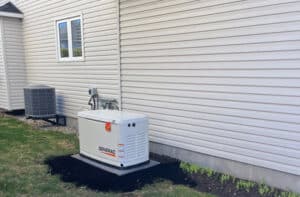
Credit: powersservicing.ca
Pros Of Full-time Use
Using an AA standby generatorfull time offers a reliable power supply. It keeps your home or business running without interruptions. This is especially helpful in areas with frequent power outages or unstable grids.
Enjoy the convenience benefitsof always having power. No need to start or stop the generator manually. It automatically provides electricity, saving time and effort.
- Continuous power for lights, appliances, and heating/cooling systems
- Peace of mind during storms or blackouts
- Reduces risk of food spoilage in refrigerators
- Supports work-from-home and online learning needs
Cons Of Full-time Use
Using an AA standby generatorall the time can cause wear and tear. The engine and parts may break faster. This can lead to more repairsand costs.
Fuel use is another issue. Running it full time means high fuel consumption. This raises the fuel costsand can be wasteful.
| Issue | Details |
|---|---|
| Wear and Tear Risks | Constant use can damage engine parts quicker, leading to costly repairs. |
| Fuel Consumption | High fuel use increases expenses and environmental waste. |
| Noise and Emissions | Generators running non-stop produce loud noise and harmful gases. |

Credit: www.angi.com
Maintenance Needs
Standby generators need regular maintenance to run smoothly all the time. Running one full time can increase wear and require more frequent servicing. Checking oil, filters, and parts helps avoid breakdowns and keeps power steady.
Routine Checks
Regular checks keep your standby generatorrunning smoothly. Look for fuel leaks, oil levels, and battery charge. Test the automatic startfeature often. Clean air filters to avoid blockages. Keep the area around the generator clear of debris.
Parts Replacement
Replace parts like spark plugs, oil filters, and air filters as per the manual. Worn parts can cause breakdownsor reduce efficiency. Use only recommended partsto ensure proper function. Keep a log of replacements for easy tracking.
Professional Servicing
Schedule a professional check-up at least once a year. Experts can spot hidden problemsand perform deep cleaning. They will test the engine, fuel system, and electrical components. Professional care extends the generator’s lifespanand keeps it safe.
Safety Considerations
Carbon monoxideis a deadly gas made by generators. It has no smell or color but can cause serious harm or death. Always keep generators outdoors and far from windows, doors, and vents. Never run a generator inside a home, garage, or basement.
Proper installation is key to safety. Use a licensed electrician to connect your generator to your home. This prevents backfeed, which can harm utility workers and damage equipment. Follow all local codes and regulations.
- Know emergency shutdown procedures.
- Have a carbon monoxide detector near living spaces.
- Keep fuel stored safely away from the generator.
- Test your generator regularly to ensure it works well.
Cost Implications
Fuel expenses can add up quickly if the standby generator runs full time. Generators consume a lot of fuel, especially gasoline or diesel. This means regular refilling, which can become costly over weeks or months.
Repair costs also increase with constant use. Parts wear out faster, leading to more frequent maintenance. Fixing or replacing components might require professional help, adding to expenses.
| Cost Type | Details |
|---|---|
| Fuel Expenses | High fuel consumption, frequent refills needed. |
| Repair Costs | More wear and tear; parts need replacement often. |
| Long-Term Savings | Using generator full time rarely saves money in the long run. |
Alternatives To Full-time Use
Hybrid systems combine a standby generator with other energy sources. They can reduce fuel use and pollution. These systems switch between power sources for efficiency. This setup lowers the strain on the generator and saves money.
Solar integration uses sunlight to create electricity. Panels collect energy during the day to power your home. This clean energy cuts down on generator run time. It also helps lower electric bills over time.
Battery storage stores power for later use. Batteries can hold solar or generator energy. They provide electricity when the sun isn’t shining or the generator is off. This means fewer generator hours and less noise.
Expert Recommendations
Using an AA standby generatorall the time can cause wear and tear. These generators are built mainly for backup power, not constant use. Running one full time may lead to frequent maintenanceand a shorter lifespan.
Best practices include:
- Operate only during power outages.
- Schedule regular maintenancechecks.
- Keep the generator in a well-ventilatedarea.
- Use fuel typesrecommended by the manufacturer.
- Test the generator monthlyfor readiness.
Avoid full-time use if:
- The generator is not designedfor continuous operation.
- Fuel costs become too high.
- Noise levels affect your comfort.
- You notice frequent breakdowns.
Frequently Asked Questions
Can A Standby Generator Run Continuously Full Time?
Yes, a standby generator can run continuously if properly maintained. However, it’s designed mainly for backup use, not permanent power supply. Running it full time may increase wear and fuel costs. Regular servicing is essential to ensure safe, reliable operation during extended use.
Is It Cost-effective To Use A Standby Generator Full Time?
Using a standby generator full time can be expensive due to fuel consumption and maintenance needs. Generators typically use diesel or propane, which add ongoing costs. For continuous power, alternative solutions like solar panels or grid connection might be more economical.
Will Running A Standby Generator Full Time Affect Its Lifespan?
Running a standby generator full time may reduce its lifespan. These units are built for intermittent use during outages. Continuous operation increases wear on engine parts and components, requiring more frequent repairs and replacements.
Can A Standby Generator Handle Full-time Household Power Needs?
Standby generators can support full household power but are best for temporary use. Continuous full load may strain the system, causing overheating or failures. It’s advisable to consult the manufacturer for capacity and usage guidelines before full-time operation.
Conclusion
Using an AA standby generator full time is possible but not always ideal. These generators are made for backup power, not constant use. Running one non-stop can cause wear and higher fuel costs. Regular maintenance becomes very important. For long-term power needs, other solutions might work better.
Weigh the pros and cons carefully before deciding. Keep safety and efficiency in mind. Choose what fits your home and budget well.