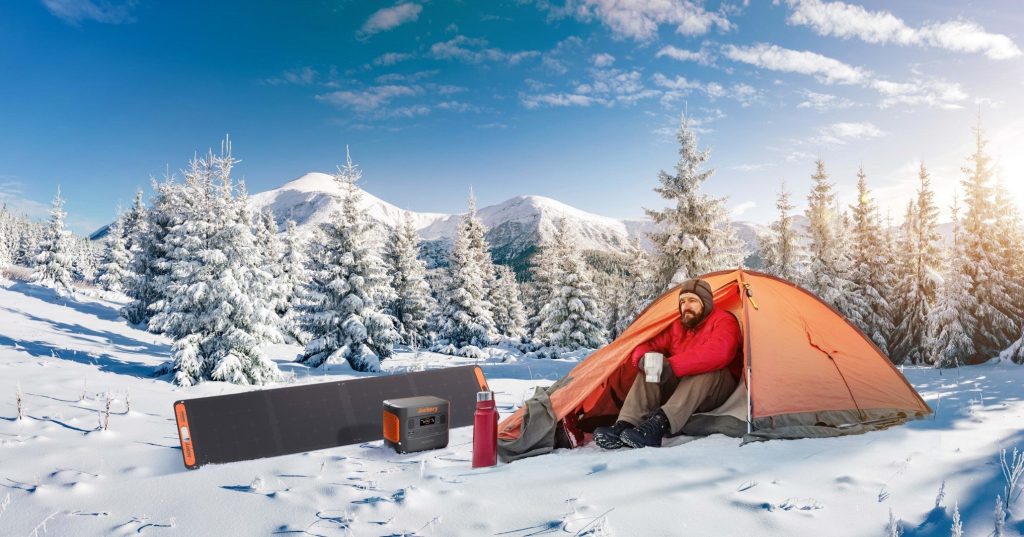
Have you ever wondered if your outdoor solar backup system can withstand the harsh winter months? As the days grow shorter and temperatures drop, you might question the reliability of solar power during these chilly seasons.
Imagine the peace of mind knowing that your home is protected, even when the sun seems scarce. You don’t want to be caught off guard when the next winter storm hits. Instead, picture the relief of having a dependable energy source at your fingertips.
This article will unravel the mysteries of using outdoor solar backup in winter, ensuring you stay powered up no matter the weather. Dive in to discover how you can harness the sun’s energy year-round, and never let winter leave you in the dark.
Credit: www.batteriesplus.com
Winter Solar Backup Challenges
Winter brings shorter days. The sun shines for fewer hours. Solar panels get less sunlight. This reduces their power output. Backup systems might not charge fully. Energy storage becomes important.
Cold can lower battery efficiency. Batteries may not charge well. Solar panels might produce less energy. Cold weather affects performance. Monitoring systems helps in adjusting.
Snow covers panels. Ice can form on them too. This blocks sunlight. Panels need cleaning to work well. Use a soft brush for snow. Regular checks are needed. Maintaining panels is key.

Credit: www.jackery.com
Choosing The Right Solar Panels
Outdoor solar panels can work in winter. They capture sunlight even on cloudy days. Choose efficient panels to ensure reliability and continuous power backup during colder months.
Panel Efficiency In Winter
Solar panels work even when it’s cold. Panel efficiency is key in winter. The sun shines less during winter months. More efficient panels capture more light. Choose panels with high efficiency ratings. Some panels work well in low light. They help generate power even on cloudy days.
Durability And Weather Resistance
Durability is vital for outdoor solar panels. Winter weather can be harsh. Panels must withstand snow and ice. Weather resistance ensures panels last longer. Look for panels with strong frames. Check for water and snow resistance features. These panels keep working in all seasons.
Battery Storage Solutions
There are different kinds of solar batteries. Each has its own benefits. Lithium-ion batteries are popular because they last long. Lead-acid batteries are cheaper but need more care. Nickel-cadmium batteries work well in cold weather. But they are not eco-friendly. Choosing the right battery is important for good performance.
Keeping batteries in good shape is important. Clean them often to remove dirt. Check for any damage or leaks. Store them in a dry, warm place. This helps them work better in winter. Make sure to charge them regularly. A fully charged battery lasts longer. Proper maintenance makes batteries last for many years. Always follow the instructions from the manufacturer.
Optimizing Solar Panel Placement
Outdoor solar panels can efficiently work in winter with proper placement. Ensure panels face south and angle correctly to capture sunlight. Regular cleaning and maintenance can enhance energy collection even on cloudy days.
Finding The Best Angle
Solar panels need the right angle to get sunlight. In winter, the sun is lower in the sky. Adjust panels to face the sun directly. This helps them get more light. A good angle can make panels work better. It also helps in getting more power.
Avoiding Shaded Areas
Trees and buildings can block sunlight. Make sure panels are in a clear spot. Even small shadows can reduce power. Check your garden or roof for shadows. Keep panels away from shaded places. This is important for getting the most energy.
Maintenance Tips For Winter
Outdoor solar backups can function in winter, but efficiency may drop. Clear panels of snow and debris regularly to ensure optimal performance.
Regular Cleaning Practices
Keep solar panels free from snow and dirt. Use a soft brush to clean. Avoid hard scrubbing which can damage panels. Clean panels monthly for best results. Check for fallen branches or debris. Ensure panels are clear to get sunlight.
Monitoring System Performance
Check solar battery levels often. Watch for any drops in power. Inspect wires for any damage. Look at system settings regularly. Ensure all parts are working well. Report any issues quickly to avoid bigger problems.
Cost Considerations
The initial costfor outdoor solar backup can be high. Solar panels and batteries might seem expensive. But they offer a clean energy solution. Buying quality equipment is important. It lasts longer and works better.
Solar energy saves money over time. Electric billsbecome lower each month. Maintenance costs are generally low. Solar systems have fewer moving parts. They need less upkeep compared to other systems. Over years, savings grow bigger. Investing in solar can be a smart choice.
Environmental Impact
Outdoor solar backups are effective even in winter, harnessing sunlight to reduce reliance on traditional energy sources. They help lower carbon footprints and are environmentally friendly, offering a sustainable solution for power outages.
Reducing Carbon Footprint
Outdoor solar backup helps the planet. It uses the sun’s energy. This reduces reliance on fossil fuels. Clean energy lowers carbon emissions. It is a green choice. Solar panels work quietly. They do not pollute the air. They save energy costs. These systems are efficient. They work even in cloudy weather. Solar power is renewable. It is a smart choice for the environment.
Promoting Sustainable Energy
Solar energy is sustainable. It uses natural resources. Sunlight is abundant. It never runs out. Solar panels need low maintenance. They last many years. This makes them cost-effective. Using solar promotes green living. It supports a cleaner planet. Solar energy is safe. It does not harm wildlife. Switching to solar is wise. It helps future generations.

Credit: www.aztechsolar.com.au
Frequently Asked Questions
What Temperature Is Too Cold For Solar Panels?
Solar panels function efficiently even in cold temperatures. They can operate in temperatures as low as -40°F. Cold weather enhances their performance due to increased conductivity. The primary concern is snow accumulation, which can block sunlight, not the cold itself.
Regular maintenance helps ensure optimal efficiency.
Why Is My Electric Bill So High When I Have Solar Panels?
Your electric bill may be high due to increased energy usage, insufficient solar panel output, or high energy rates. Check for shading issues, system performance, and ensure panels are clean. Monitor energy consumption habits and consider upgrading your solar system or energy storage solutions for better efficiency.
Is It Possible To Use Solar Energy In The Winter?
Yes, solar energy can be used in winter. Solar panels work efficiently in cold temperatures. They capture sunlight even on cloudy days. Winter sunlight may be less intense, but solar systems can still generate power. Proper installation and maintenance optimize performance during winter months.
Should Garden Solar Lights Be Left Out In The Winter?
Garden solar lights can be left out in winter. Ensure they’re weatherproof and clean solar panels for efficiency. Protect lights from heavy snow or ice to avoid damage. Check battery performance regularly to maintain optimal lighting. Proper care ensures longevity and functionality during colder months.
Conclusion
Solar backup systems work well in winter, offering reliable energy solutions. Cold temperatures can enhance solar panel efficiency. Snow and ice on panels might be a challenge. Regular maintenance ensures optimal performance. Solar energy provides eco-friendly backup options. Winter sunlight can still power homes and devices.
Consider battery capacity for extended cloudy periods. Outdoor solar backup adds resilience during unexpected outages. It’s a smart choice for sustainable energy. Embrace solar energy all year round. Keep your home powered, regardless of the season. Solar technology continues to advance, making winter use easier and more effective.