
Are you trying to ensure your home or business has a reliable backup power solution? Choosing the right transfer switch is crucial, and it all boils down to two main options: manual and automatic transfer switches.
But what’s the difference between them, and how does it impact your power needs? Understanding these differences can save you time, money, and headaches during a power outage. By the end of this article, you’ll have a clear grasp of which option suits your needs best.
So, if you’re ready to make a smart choice for uninterrupted power, read on and discover the key distinctions that could make all the difference.

Credit: www.tongou.com
Transfer Switch Basics
A transfer switchis a device that moves power from one source to another. It helps keep electricity flowing when the main power fails. It connects your home or building to either the grid or a backup generator.
The roleof a transfer switch in power systems is to prevent power from both sources mixing. This protects equipment and makes sure power is safe and reliable.
- It stops power from two sources flowing at once.
- It switches power quickly to avoid outages.
- It helps maintain power during storms or failures.
Manual Transfer Switch Features
The operation processof a manual transfer switch involves physically moving a lever or switch. This action changes the power source from the main supply to a backup generator or vice versa. It requires someone to be present and operate the switch during a power outage.
- Advantagesinclude simple design and lower cost.
- Manual switches are easy to install and maintain.
- They provide clear control over power source selection.
- Less prone to electronic failure because they have no automatic parts.
- Limitationsare the need for manual operation during outages.
- Power transfer is not instant and may cause interruption.
- Requires someone nearby to switch power sources safely.
- Not suitable for critical systems needing continuous power.
Automatic Transfer Switch Features
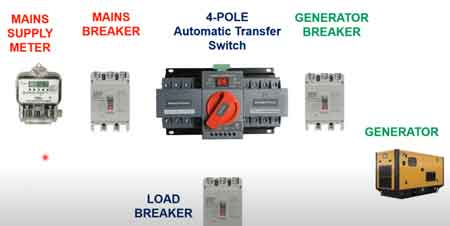
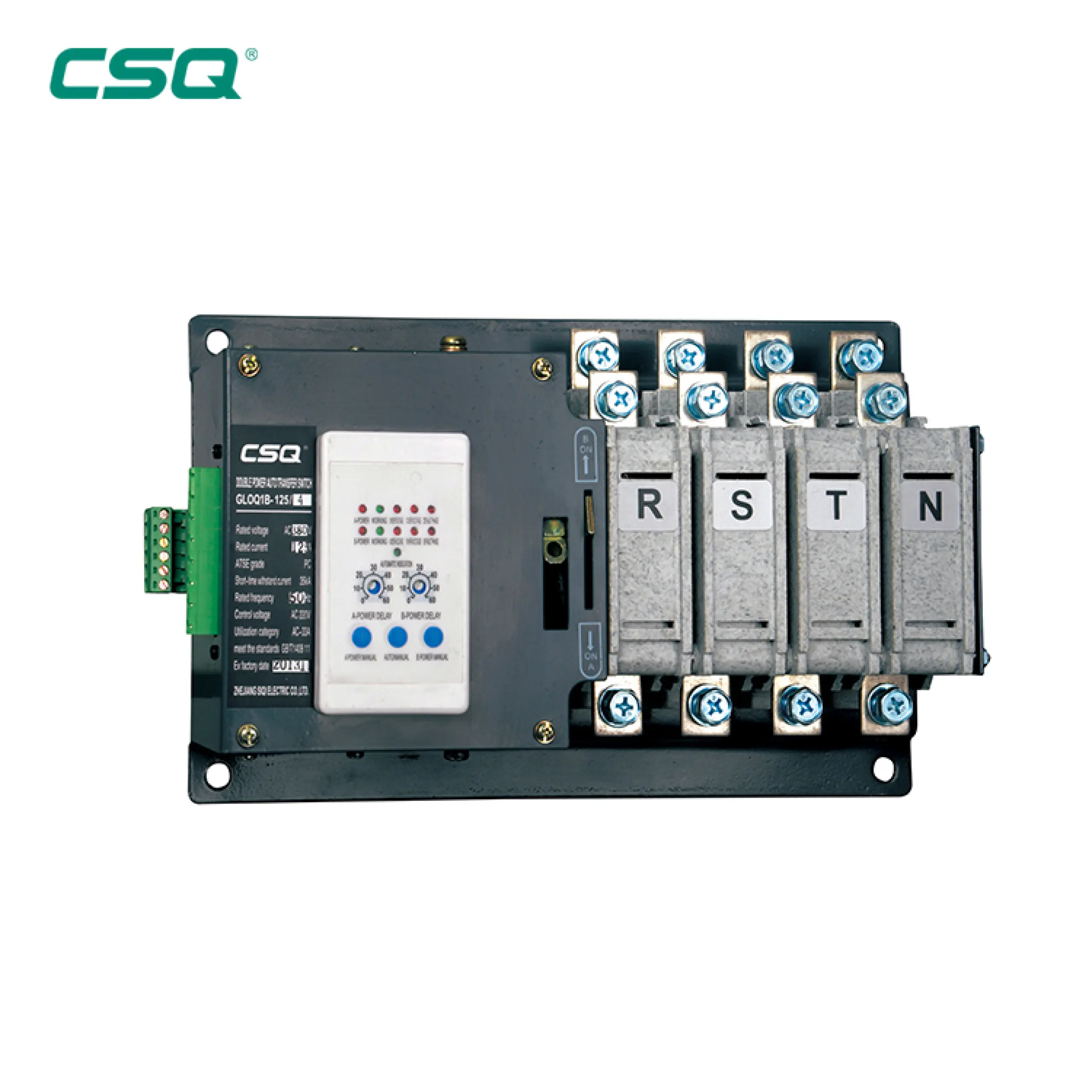
The operation processof an Automatic Transfer Switch (ATS) is simple and fast. It detects power loss from the main source. Then, it automatically switchesto the backup generator. This switch happens within seconds to keep devices running.
Advantagesof ATS include:
- Quick response timeto power failures.
- No manual effortneeded for switching.
- Improves safetyby preventing electrical faults.
- Continuous power supplywithout interruption.
- Works well for critical systemslike hospitals and data centers.
Limitationsare:
- Higher costcompared to manual switches.
- Needs regular maintenanceto work properly.
- May fail if the backup generatorhas issues.
- Requires professional installation.
Key Differences
Manual transfer switchesneed a person to switch power sources. Automatic transfer switchesswitch power by themselves. This makes automatic switches faster in emergencies.
Automatic switches act in seconds to stop power loss. Manual switches take longer because of human action.
Manual switches are simpler to install. They need less wiring and parts. Automatic switches require more work and expert help.
Manual switches usually cost less upfront. Automatic switches are more expensive but offer better protection and convenience.
Choosing The Right Switch
Manual transfer switchesrequire someone to flip a switch to change power sources. They work well for small buildings or homes with low power needs. Automatic transfer switchesswitch power sources by themselves during an outage. These are better for places needing constant power, like hospitals or data centers.
Power needsguide the choice. Manual switches suit smaller loads. Automatic switches handle larger, critical loads smoothly.
| Factor | Manual Transfer Switch | Automatic Transfer Switch |
|---|---|---|
| Application | Simple, low power needs | Complex, high power needs |
| Operation | Manual switching | Automatic switching |
| Cost | Lower initial cost | Higher initial cost |
| Maintenance | Less complex | Requires professional upkeep |
Budget factorsalso matter. Manual switches cost less upfront but need someone to operate. Automatic switches cost more but save time and effort during power loss.
Credit: electricityforum.com
Maintenance And Safety
Routine checks keep transfer switches working well and safe. Look for any signs of wearor damage on switches. Test the switch operation by simulating a power outage to confirm it switches correctly.
Check all connectionsand tighten loose wires. Clean dust and dirt to avoid overheating. Inspect the switch for any corrosionor moisture inside the panel.
- Listen for unusual sounds during operation.
- Ensure indicators and alarms work properly.
- Verify the battery backup, if present.
Troubleshooting often involves checking the power source. Make sure the main and backup power are available. Reset the switch after a fault to see if it clears the issue.
Use a multimeter to check voltage and continuity. Replace any faulty parts immediately. Always follow safety rules and turn off power before working on the switch.
Credit: www.csqelectric.com
Frequently Asked Questions
What Is A Manual Transfer Switch?
A manual transfer switch requires a person to switch the power source. It connects utility power to a generator manually during outages. This switch offers control but needs human intervention to operate safely and effectively.
How Does An Automatic Transfer Switch Work?
An automatic transfer switch detects power loss and switches sources instantly. It transfers electricity from the main power to backup generators without delay. This ensures continuous power supply without any manual action.
Which Transfer Switch Is Better For Home Use?
Automatic transfer switches are ideal for homes needing uninterrupted power. They activate backup power quickly during outages. Manual switches are cheaper but require manual operation, which may cause delays.
Are Automatic Transfer Switches More Expensive Than Manual Ones?
Yes, automatic transfer switches typically cost more due to advanced technology. They provide convenience and faster response but come with a higher price tag. Manual switches are less costly but need manual operation.
Conclusion
Choosing between manual and automatic transfer switches depends on your needs. Manual switches need you to change power sources yourself. Automatic switches do this work fast and without delay. Both have benefits and fit different situations. Manual switches are simple and cost less.
Automatic switches offer comfort and quick power backup. Think about your budget and how often power cuts happen. This helps you pick the right switch for safety and convenience. Understanding their differences keeps your power running smoothly.