Are you considering a generator for your home or business but feel stuck deciding between a standby and a portable option? You’re not alone.
Many people face the same dilemma, and it can be confusing to navigate the choices. What if you could easily understand the key differences and discover which type aligns best with your needs? Imagine the peace of mind knowing that when the power goes out, you’re prepared with the perfect solution.
You’ll uncover the essential distinctions between standby and portable generators, empowering you to make a confident, informed decision. Stay with us to explore the benefits and drawbacks of each, helping you find the ideal power backup for your unique situation.
Generator Basics
Generators make electricity when power goes out. They help homes and businesses stay lit. There are two main types: standby and portable. Each has its own uses.
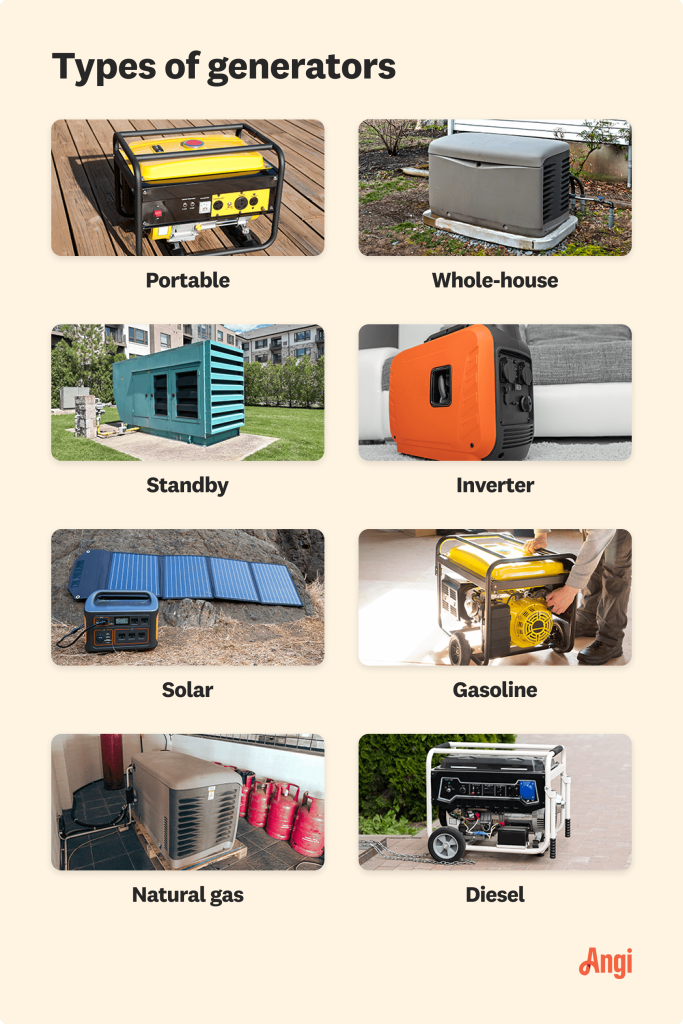
Standby generatorsare big and stay in one place. They start automatically when power fails. They can power a whole house or building. They need a professional to install them.
Portable generatorsare smaller and easy to move. People use them for camping or in emergencies. They need gasoline to work. They are not as powerful as standby generators.
Choosing the right generator depends on needs. Standby is good for long power outages. Portable is good for quick, temporary power needs.

Credit: dieselgeneratortech.wordpress.com
Standby Generator Features
Standby generators automatically provide backup power during outages and are permanently installed, unlike portable generators which require manual setup and operation. Standby models offer greater power capacity and connect directly to a home’s electrical system, ensuring seamless transition and reliability in power supply.
Automatic Operation
Standby generators start on their own during a power cut. They have built-in sensors to detect power loss. Once power is back, they turn off automatically. You don’t need to press any buttons.
Fuel Types
These generators often use natural gas or propane. Natural gas is connected through pipelines. Propane is stored in tanks. Both fuels are clean and efficient. This ensures your home stays powered safely.
Installation Requirements
Standby generators need a fixed spot outside. A professional must install them. They connect to your home’s electrical system. This makes sure they work safely and efficiently. Proper installation is key for safe operation.
Portable Generator Features
Portable generators need manual start. A pull cord is often used. This makes them easy to control. Anyone can start them with a little practice. They don’t need automatic systems. This keeps them simple and cost-effective.
Gasoline is the most common fuel. It is easy to find. Diesel is another option for some models. It offers longer runtime. Propane can also be used. It is cleaner than gasoline. Each fuel type has pros and cons. Choose based on needs and availability.
Portable generators are easy to move. They have wheels and handles. This makes them ideal for travel. Use them for camping or tailgating. They fit small spaces and provide power anywhere. Their versatility is a key feature. They serve many purposes for different users.
Power Output Comparison
Standby generatorshave higher power output than portable ones. They can power entire homes. Portable generatorsare smaller and provide limited power. They can run a few appliances. Choose based on power needs.
Capacity Differences
Standby generators have larger capacity. They range from 7,000 to 150,000 watts. Portable generators range from 1,000 to 10,000 watts. Higher capacity means more appliances can run.
Suitable Applications
- Standby generatorsare best for homes and businesses.
- Portable generatorssuit camping and small outdoor events.
- Standby models are automatic; portable ones need manual start.
- Portable generators are easy to move; standby ones are fixed.
Cost Considerations
Standby generators generally have higher initial costs due to installation and power capacity. Portable generators are less expensive upfront but can incur additional fuel and maintenance expenses.
Purchase Price
Standby generatorscost more than portable ones. They are permanent and powerful. These generators can start automatically during an outage. Portable generatorsare cheaper and moveable. They are great for short power cuts. You can take them to different places.
Maintenance Costs
Both types need care to work well. Standby generators need regular checks by experts. This can cost more money. Portable generators need less care. You can check them yourself. It’s cheaper but still important. Keep both clean and check oil levels. This makes them last longer.
Noise Levels And Environmental Impact
Standby generators often produce more noise due to their larger size and installation. Portable generators are usually quieter, making them less intrusive for the environment. Both types affect noise levels and can impact local wildlife differently.
Noise Output
Standby generators are usually quieter. They make less noise because they stay in one place. Portable generators can be louder. You might hear them more because they move around a lot. It’s important to know how noisy each type can be. Noise affects everyone nearby.
Emissions And Efficiency
Standby generators are often more efficient. They produce fewer emissions. This means cleaner air. Portable generators can make more emissions. They might not be as efficient. Efficiency helps save energy and money. Choosing wisely can help the environment.
Safety And Reliability
Standby generatorsare fixed devices at home. They start automatically during power outages. They have automatic shut-offsystems to prevent dangers. These generators are safer for families. Portable generatorsare movable and need manual start. Safety features are less advanced. Cables can be a trip hazard.
Standby generators are built for long-term use. They are strong and last for years. They handle tough weather well. Portable generators are lightweightand easy to move. They are not as durable. Their lifespan is shorter. Parts may wear out faster.

Credit: www.aeheatingandcooling.com
Pros And Cons
Standby generatorsare very reliable. They start automatically during power outages. They connect directly to your home’s electrical system. No need to worry about refueling them. They use natural gas or propane. These generators can be pricey. Installation costs are high. They need regular maintenance. This keeps them running well. They are perfect for long-term power needs. Standby generators are quiet. They are great for neighborhoods. Their size is large. They need space outside the home.
Portable generatorsare easy to move. You can take them anywhere. They are cheaper than standby ones. Portable generators need fuel. Gasoline or diesel is used. They are noisy. Not ideal for quiet places. These generators have limited power. They are good for short-term use. Portable ones require manual start. You must connect them to devices. They are great for camping trips. They work well for small events. They fit in tight spaces.

Credit: www.nytimes.com
Frequently Asked Questions
Should I Get A Portable Or Standby Generator?
Choose a portable generator for flexibility and cost-effectiveness. Opt for a standby generator for automatic power and larger energy needs. Consider your budget and energy requirements to make the best decision.
Can A Portable Generator Be Used As A Standby Generator?
Yes, a portable generator can serve as a standby generator. Ensure it meets power requirements and is safely connected. Use a transfer switch to prevent backfeeding. Regular maintenance ensures reliability during outages. Always follow safety guidelines for operation.
What Are The Disadvantages Of A Standby Generator?
Standby generators are costly and require regular maintenance. They can be noisy and emit harmful fumes. Installation involves complex procedures and potential zoning restrictions. Limited fuel options can impact reliability during extended outages.
Can Standby Generators Run Continuously?
Standby generators can run continuously, but it’s essential to monitor and maintain them regularly. Overuse may lead to wear and tear. Ensure adequate fuel supply and proper ventilation. Regular checks help prevent overheating and mechanical issues. Consult a professional for advice on long-term usage and maintenance strategies.
Conclusion
Choosing between standby and portable generators depends on your needs. Standby generators offer automatic backup power. They are ideal for homes with frequent outages. Portable generators provide flexibility and mobility. Perfect for outdoor activities or temporary power needs. Consider your budget and power requirements.
Think about installation space and noise levels. Maintenance is another key factor. Standby models need professional setup. Portable ones are easy to move and store. Make a list of pros and cons. Decide based on your lifestyle and power needs.
Power continuity is crucial. Choose wisely for peace of mind.