
Imagine a stormy night, the power flickers, and suddenly, everything goes dark. In that moment, a standby generator could be your lifeline.
But what if your generator doesn’t run on the fuel you have? You might wonder, “Do any standby generators run on gasoline? ” This question could be crucial when you’re deciding on your backup power solution. You need to know what fuels your options.
Are you prepared to make the best choice for your home and family? Discover the answer as we explore whether gasoline is a viable option for standby generators and how it might impact your emergency plans. Keep reading to ensure you’re never left powerless again.
Standby Generators And Fuel Types
Standby generators usually use fuels like natural gas, propane, or diesel. Gasoline is less common for standby models. It can be used in portable generatorsinstead. Gasoline stores poorly and can go bad quickly. This makes it less reliable for emergencies.
Natural gas and propane are cleaner and last longer in storage. Diesel is strong and burns efficiently. Each fuel type affects the generator’s run timeand maintenance needs. Choosing the right fuel depends on your locationand fuel availability.
| Fuel Type | Common Use | Storage Life | Pros | Cons |
|---|---|---|---|---|
| Gasoline | Portable generators | Short (3-6 months) | Easy to find, quick start | Goes bad fast, flammable |
| Natural Gas | Standby generators | Long (indefinite supply via pipeline) | Clean, safe, constant supply | Needs pipeline connection |
| Propane | Standby generators | Long (several years) | Clean burning, portable | Requires tank refills |
| Diesel | Standby generators | Moderate (1 year with treatment) | Powerful, efficient | Can be noisy, needs maintenance |
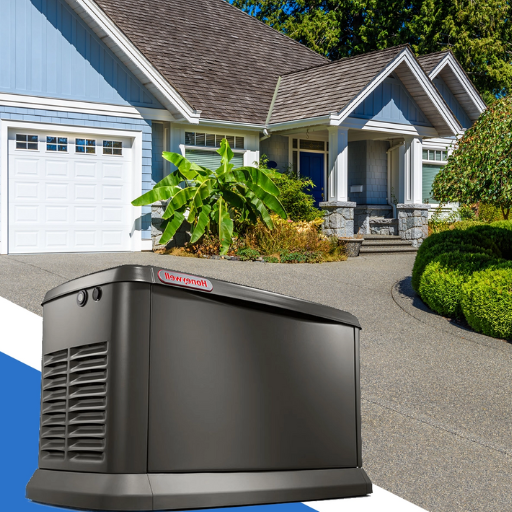
Credit: shgeneratorset.com
Gasoline-powered Standby Generators
Many standby generatorsuse gasoline as fuel. These generators are easy to findin stores and online. Models vary from small units for homes to larger ones for businesses. Gasoline-powered generators often have simple enginesthat start quickly.
Advantages of gasolineinclude:
- Readily available fuel in most areas
- Lower initial cost compared to other fuel types
- Good for short-term power needs
- Easy to store and transport
Limitations and risksinclude:
- Gasoline can go bad if stored too long
- Fuel is highly flammable and needs careful handling
- Generators need regular maintenance to run well
- Less efficient for long power outages
Safety Considerations
Gasolinemust be stored in approved containersaway from heat and flames. Keep it in a cool, dry placewith good ventilation. Avoid storing gasoline inside living areas or near electrical devices.
Handling gasoline requires careful measures. Use a funnel to prevent spills. Clean any spills immediately. Keep gasoline out of reach of childrenand pets.
- Never smokeor use open flames near gasoline.
- Do not store gasoline for long periods; it can degrade and become unsafe.
- Use gasoline only in well-ventilated areas to avoid harmful fumes.
Running a generator on gasoline poses fire and explosion risks. The engine and fuel system can get hot enough to ignite vapors. Always follow the manufacturer’s safety instructions.
Generators should be placed on a stable, level surfaceoutdoors. Avoid using them indoors or in garages to prevent carbon monoxide poisoning. Make sure the generator is off and cooled before refueling.
Maintenance Tips For Gasoline Generators
Fuel stabilizationhelps keep gasoline fresh longer. Gasoline can go bad in a few weeks. Adding a fuel stabilizer prevents this. It stops the gas from thickening or forming gum. Always add stabilizer to fresh fuel. Run the generator for a few minutes after adding it. This spreads the stabilizer through the system. Store gasoline in a cool, dry place. Use containers made for fuel only.
Regular inspections keep the generator ready for use. Check the oil level every time before starting. Change the oil after 20-50 hours of use. Look for leaks or cracks in fuel lines and parts. Clean the air filter regularly. Replace it if it looks dirty or damaged. Test the generator monthly. Run it for 10-15 minutes under load. This helps keep parts moving and batteries charged.
Choosing The Right Generator Fuel
Gasolineis often cheaper and easy to find. It works well for portableand standby generators. But it can be hard to storefor long times. Gasoline can go bad quickly and needs safe handling. Propane and natural gas usually cost more but burn cleaner.
Gasoline fumes can harm the air. It creates more pollutionthan propane or natural gas. Propane burns with less smoke and fewer harmful gases. Natural gas emits the least pollution but needs a gas line connection.
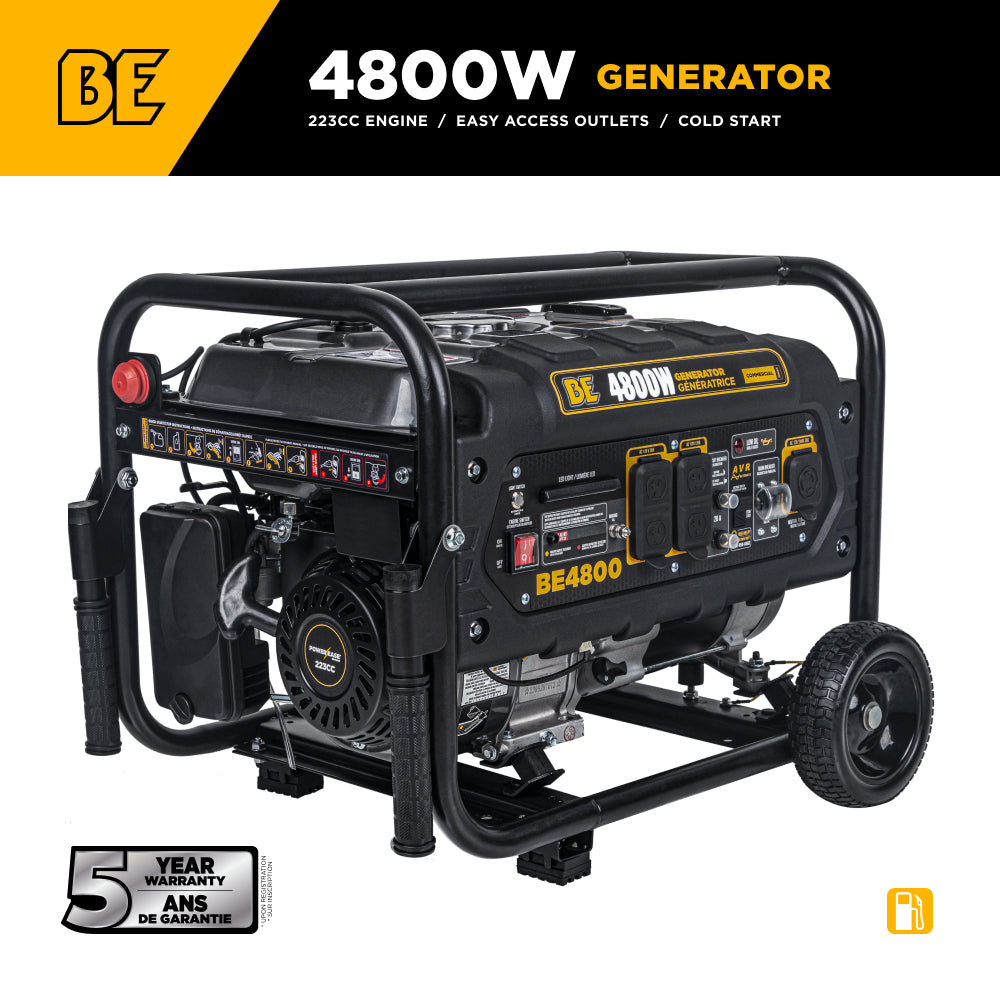
Credit: bepowerequipment.com

Credit: www.angi.com
Frequently Asked Questions
Do Standby Generators Run On Gasoline?
Yes, some standby generators run on gasoline. However, most use propane or natural gas for longer fuel storage and reliability. Gasoline models are less common but available for short-term power backup needs.
Are Gasoline Standby Generators Reliable During Outages?
Gasoline standby generators can be reliable but require frequent maintenance. Gasoline degrades faster than propane or natural gas. They are best for short-term, occasional power outages rather than long-term use.
What Are Gasoline Standby Generators’ Fuel Storage Limits?
Gasoline has a limited shelf life of about 3 to 6 months. This makes it less ideal for standby generators intended for long-term fuel storage. Proper fuel stabilization can extend gasoline storage life slightly.
Can Gasoline Standby Generators Power Whole Homes?
Gasoline standby generators typically power small to medium loads. For whole-home backup, larger units running on propane or natural gas are preferred. Gasoline units may not support high-demand appliances simultaneously.
Conclusion
Standby generators can run on gasoline, but it is not very common. Most use natural gas or propane instead. Gasoline models are usually smaller and less stable for long use. They need more care and fuel storage safety. Choosing the right fuel depends on your needs and location.
Understanding the fuel options helps you pick the best generator. This keeps your home powered during outages with less hassle.