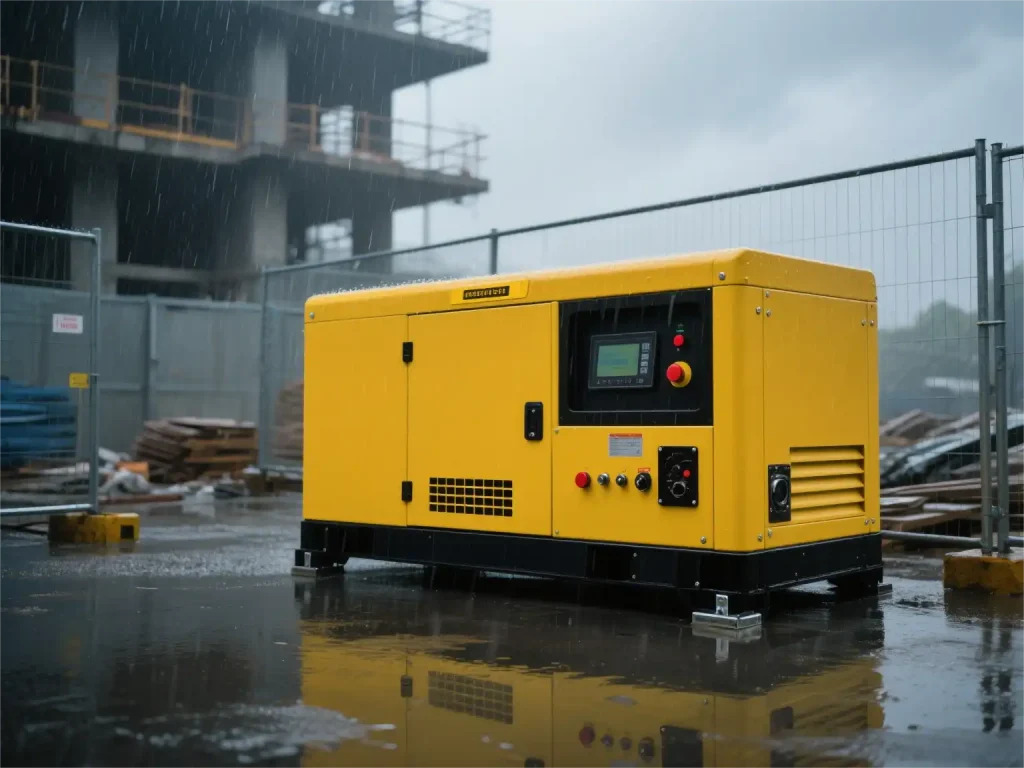
Have you ever wondered if diesel generators produce clean power? As you rely on electricity for almost everything in your daily life, the source and quality of that power become crucial.
Diesel generators are known for their reliability and efficiency, but what about their environmental impact? Are they as clean as they are powerful? By exploring this topic, you’ll uncover surprising insights that could influence your energy choices. Stay with us as we delve into the workings of diesel generators and discover whether they meet the clean standards you need for your home or business.
You might be surprised by what you find!
Credit: wp.nyu.edu
Diesel Generator Basics
Diesel generators can produce clean power when equipped with advanced technology. Proper maintenance ensures efficient performance.
How Diesel Generators Work
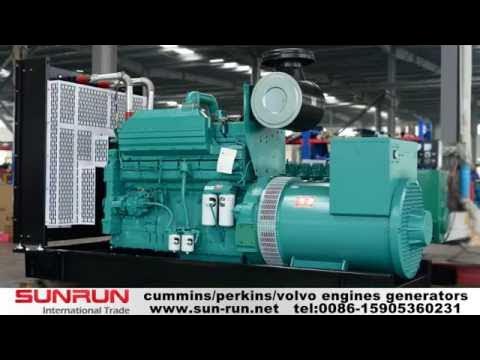
Diesel generators create electricity using diesel fuel. They have an engine and an alternator. The engine burns diesel to produce energy. This energy turns the alternator. The alternator makes electricity. Diesel generators are strong and reliable. They are used in homes and businesses.
Components Of Diesel Generators
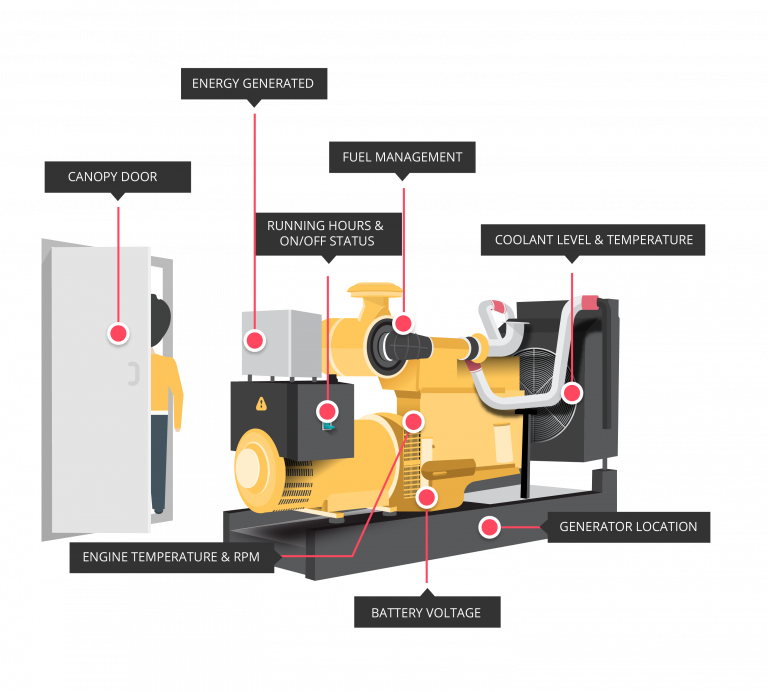
- Engine:Burns diesel to create energy.
- Alternator:Converts energy into electricity.
- Fuel System:Stores and supplies diesel.
- Cooling System:Keeps the engine from getting too hot.
- Exhaust System:Removes waste gases from the engine.
- Control Panel:Manages the generator’s functions.
- Battery Charger:Keeps the battery charged.
Power Quality In Diesel Generators
Diesel generators provide stable voltage for devices. They work hard to keep voltage levels steady. This is very important for sensitive devices. Sudden drops or spikes can harm them. Diesel generators have voltage regulators. These help maintain a consistent flow of power. It’s like a steady stream of water from a tap. Voltage stabilityensures everything runs smoothly.
Frequency is how fast electricity moves. Diesel generators maintain consistent frequency. This is usually at 50 or 60 hertz. Consistent frequency is vital for many machines. Generators adjust to keep the frequency right. This makes sure machines work properly. Frequency consistencyprevents errors in electronic devices. It’s like keeping a steady beat in music.
Emissions And Environmental Impact
Diesel generators release several types of emissions. The most common are carbon dioxideand nitrogen oxides. These gases are harmful to our planet. Diesel engines also emit particulate matter. These tiny particles can cause health problems. Sulfur dioxideis another emission. It can lead to acid rain. Each type of emission poses different risks. Understanding them is important for reducing harm.
Diesel generators can make air quality worse. The gases and particlesthey emit mix with the air. This can lead to smog and haze. Poor air quality affects everyone. It can cause breathing problems. Sensitive groups like children are more at risk. Cleaner energy sources can help improve air quality. Reducing diesel use can make a big difference. Everyone benefits from cleaner air.
Technological Advances
Diesel generators are getting better at reducing emissions. New technologies are helping to make the air cleaner. Filters and catalysts are used to trap harmful gases. This means less pollution is released into the air. Scientists are working hard to improve these systems. Cleaner exhaust is the goal for everyone. New rules also push for cleaner air.
Generators now produce cleaner power with less noise. This helps in keeping our environment safe. Voltage regulators and advanced controls ensure stable power. This is important for sensitive devices. They need steady electricity to work well. Smart systems also help in managing power better. These improvements make generators more reliable.
Comparing With Alternative Power Sources
Diesel generators often emit pollutants, raising concerns about clean energy production. Alternative sources like solar and wind offer greener solutions. Balancing power demands with environmental impact remains crucial.
Renewable Energy Options
Renewable energy is clean and friendly to nature. Sources like solar, wind, and hydro are popular. These sources do not burn fuel. They produce no harmful smoke. Solar panels catch sunlight. Wind turbines spin in the breeze. Dams use flowing water. These make power without pollution. They are safe for the planet. Renewable sources never run out. But, they depend on weather. No sun means no solar power. No wind means no wind power.
Gas Generators
Gas generators use gas to make power. They are not as clean as renewable energy. Gas burning releases some harmful gases. These can hurt air quality. But gas generators are better than diesel. They make less pollution than diesel. Gas generators work any time. They don’t depend on weather. But they need fuel. Fuel can run out. They are good for quick power needs.
Regulations And Standards
Regulations and standards guide the production of clean power from diesel generators. These rules ensure reduced emissions and improved efficiency. Compliance with these standards is crucial for minimizing environmental impact.
Government Regulations
Government rules ensure diesel generators meet safety standards. These rules help protect the environment. Generators must limit harmful emissions. They need to be efficient. Compliance with these rules is essential. Violations can lead to penalties. Regular inspections are often required. This helps ensure clean power production. Updated laws often improve generator technology.
Industry Standards
- Generators must follow industry guidelines.
- These guidelines ensure reliability and safety.
- Standards cover noise levels and emissions.
- Manufacturers must test their products.
- Testing ensures the generator performs well.
- Standards help improve technology over time.
Future Of Diesel Generators
Diesel generators provide reliable power but are not the cleanest energy source. Emissions and noise pollution are concerns. Cleaner alternatives like solar or wind are gaining popularity.
Innovations On The Horizon
New technologies are making diesel generators better. Cleaner engines are being developed. They produce less smoke and pollution. Smart systems are coming. These systems help save fuel. They also make generators run smoothly. Hybrid models are combining diesel with other energy sources. This helps reduce emissions. Engineers are creating more efficient designs. These designs make generators last longer. They also reduce noise levels.
Role In Energy Transition
Diesel generators are important in moving to cleaner energy. They provide backup power when solar or wind energy is low. This keeps homes and businesses running. Diesel generators help during natural disasters. They give power when other sources fail. They are also used in remote locations. Places where other energy sources are hard to use. Diesel generators are improving. They are becoming more eco-friendly. This helps in reducing carbon footprint.
Credit: medium.com

Credit: hymax-inc.com
Frequently Asked Questions
What Is A Downside Of Using Diesel Generators?
Diesel generators can produce harmful emissions and noise pollution. They often require regular maintenance and fuel storage. Operating costs can be high, especially with fluctuating fuel prices. Diesel generators may not be environmentally friendly, impacting air quality and contributing to climate change.
Which Generator Has The Cleanest Power?
Inverter generators produce the cleanest power for sensitive electronics. They convert AC to DC, then back to AC, ensuring stable output. Honda and Yamaha offer reliable inverter models known for their efficiency and quiet operation. Investing in an inverter generator ensures minimal harmonic distortion, protecting your devices effectively.
Do Generators Provide Dirty Power?
Generators can produce dirty power, which means inconsistent voltage and frequency. This can harm sensitive electronics. Using quality generators and voltage regulators can help provide cleaner power. Always check the specifications to ensure compatibility with your devices. Regular maintenance also ensures optimal performance and reduces the risk of dirty power.
How Much Emissions Do Diesel Generators Produce?
Diesel generators emit carbon dioxide, nitrogen oxides, particulate matter, and sulfur dioxide. Emission levels depend on generator size and efficiency. Typically, a 1 MW diesel generator emits around 2. 68 kg of CO2 per liter of fuel. Regular maintenance and newer models can reduce emissions significantly.
Conclusion
Diesel generators have their pros and cons. They provide reliable power. But their emissions are not the cleanest. Many industries still rely on them. Cleaner alternatives are emerging, like solar and wind energy. These options reduce environmental impact. Choosing the right power source depends on needs.
Balancing reliability and environmental care is crucial. Diesel generators can serve well temporarily. For long-term solutions, explore greener options. Always consider energy efficiency and sustainability. Making informed choices benefits both us and our planet.