
Have you ever wondered if your dual fuel generator needs to be grounded? It’s a question that might not cross your mind until you’re setting up your equipment, but it’s a crucial one.
Understanding the importance of grounding can protect not just your generator but also your safety and the safety of those around you. We’ll dive into the essentials of grounding your dual fuel generator, exploring why it’s necessary and how it can prevent potential risks.
Stay with us as we unravel these insights, making sure you’re equipped with the right knowledge to use your generator safely and efficiently. You wouldn’t want to miss out on these key safety tips!
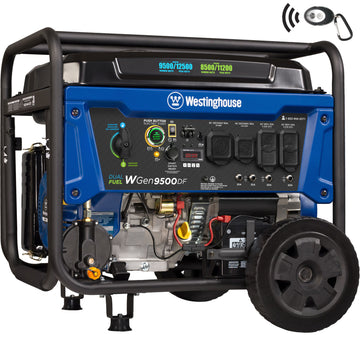
Credit: westinghouseoutdoorpower.com
Importance Of Grounding Dual Fuel Generators
Grounding keeps everyone safe. It stops electric shocks. Dual fuel generators must be grounded. This keeps them stable. If not grounded, they can be dangerous. Electricity needs a safe path. Grounding gives that path. It protects the generator. Also, it protects other devices. A surge can harm electronics. Grounding prevents this harm.
People and pets are safer. Grounding stops electric shocks. It makes sure electricity flows correctly. Many countries have rules. Grounding follows these rules. It is an important safety step.

Credit: westinghouse.com
Safety Benefits
Dual fuel generators should be grounded to prevent electric shock and enhance safety. Grounding helps disperse excess electricity safely, protecting users and equipment.
Preventing Electrical Hazards
Grounding a dual fuel generator is very important. It helps prevent electrical shocks. Grounding stops electricity from harming people. Wires carry electricity safely into the ground. This keeps everyone safe. It protects devices from damage too. Proper grounding keeps electrical systems stable.
Reducing Risk Of Fire
Grounding also reduces the risk of fire. Electricity can cause sparks. Sparks can start fires. Grounding helps prevent these sparks. It keeps electricity flowing safely. This way, fires are less likely to happen. Safety is very important. Grounding keeps both people and places safe. It helps avoid damage from fire.
Technical Aspects
Dual fuel generators should be grounded for safety. Grounding helps prevent electric shocks and ensures proper operation. It’s crucial to follow manufacturer guidelines for safe generator use.
How Grounding Works
Grounding is very important for safety. It protects users from electric shocks. Electricity wants to find the easiest path. Without grounding, the current can cause harm. A grounded system offers a safe path. It directs electricity into the earth. This keeps everyone safe and sound.Components Involved
- Ground Wire: Connects the generator to the ground.
- Grounding Rod: Metal rod driven into the earth.
- Connection Terminals: Links the wire and the generator.
Regulatory Requirements
Local codes are like rules for your generator. Check local codes for grounding rules. Some places have strict codes. Others might be flexible. It’s important to follow them. This keeps you safe and avoids fines. Grounding means connecting to the earth. It helps prevent shocks and fires. Always ask experts if unsure. They know the local codes.
Manufacturers give guidelines for safety. Read the manual for your generator. It tells if grounding is needed. Some generators need grounding for safe use. Others may not require it. Follow their instructions closely. This helps in using the generator safely. Always ask the manufacturer if you have doubts. They provide clear guidance.
Grounding Techniques
Dual fuel generators should be grounded to ensure safety and prevent electrical hazards. Grounding protects the equipment and users from electrical shocks. Proper grounding also helps maintain stable voltage levels during operation.
Methods For Grounding
Grounding your dual fuel generatoris important for safety. You can use a grounding rod made of copper. Drive the rod into the ground. Attach a grounding wire from the generator to the rod. Make sure the connection is tight. Always check the grounding wire for damage.
Tools Needed
- Grounding Rod– A copper rod is best for grounding.
- Hammer– Use this to drive the rod into the ground.
- Grounding Wire– Connects the generator to the rod.
- Wrench– For tightening connections.
- Wire Strippers– To prepare the grounding wire.
Common Mistakes
Grounding dual fuel generators is crucial for safety, yet often overlooked. Many assume it’s unnecessary, risking electrical hazards. Proper grounding protects users from potential shocks and ensures safe operation.
Improper Grounding Practices
Generatorsneed proper grounding. Many people use wrong methods. This can be dangerous. It might damage the generator. Using incorrect materials is a common mistake. Some use metal that rusts. Others skip checking connections. These can lead to faulty grounding. Always use the right tools. Read the manual carefully. Follow safety guidelines strictly. This keeps the generator safe.
Ignoring Regulations
Ignoring safety rules is risky. Some people think rules are not important. This leads to accidents. Regulations are for safety. They protect people and machines. Always check local laws. They tell how to ground generators. Not following them can cause fines. It might result in serious injury. It’s crucial to follow these rules. This ensures safe operation of generators.
Maintenance And Checks
Grounding dual fuel generators ensures safety and prevents electrical hazards. Proper checks maintain reliable performance and extend lifespan. Regular maintenance avoids costly repairs and enhances efficiency.
Regular Inspections
Dual fuel generators need regular inspectionsto work safely. Check wires for any damageor wear. Look for loose connectionsthat may cause problems. Clean the generator to remove any dustor dirt. Inspect the fuel system for leaks or blockages. Regular checks keep the generator running well.
Signs Of Grounding Issues
Grounding issues can cause seriousproblems. Watch for sparks or unusual noiseswhen using the generator. Check for a burning smell, as it may indicate a problem. The generator may stop working or run poorly. If these signs appear, address them quickly to ensure safety.
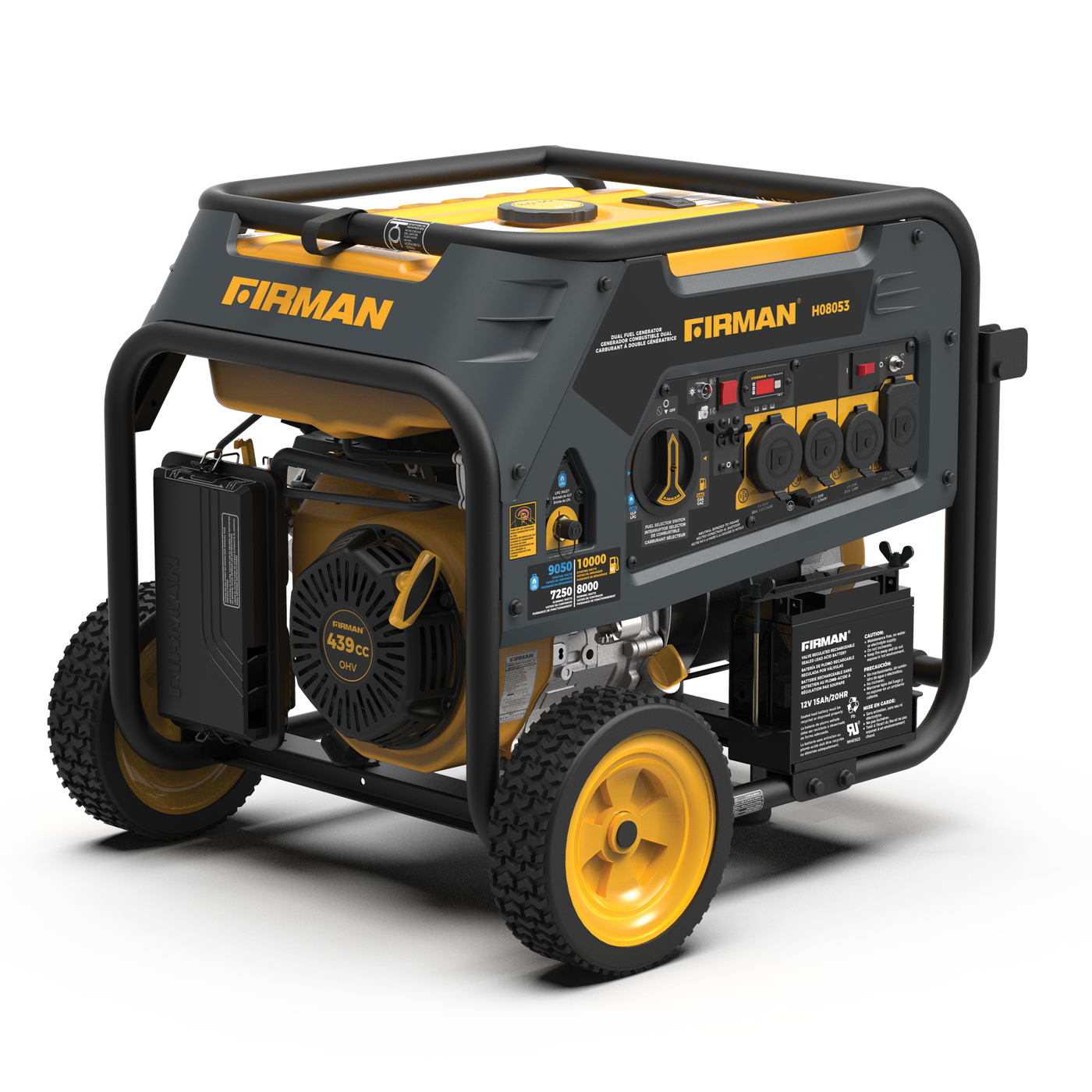
Credit: firmanpowerequipment.com
Expert Insights
Dual fuel generators should be grounded for safety. Grounding helps prevent electrical shocks and protects the equipment. It’s crucial to follow local regulations for proper grounding methods.
Recommendations From Professionals
Experts always stress the importance of safetywith generators. Most professionals recommend groundingdual fuel generators. Grounding helps in preventing electric shocks. It also keeps your family safe. Follow the generator’s manual for grounding instructions. Some generators come with a grounding wire. Others might need an extra grounding rod. Always use the right tools. A screwdriver and a wrench are usually needed. Ensure the ground is drywhen grounding. Wet ground can cause problems. Keep children away when working with generators. Safety first!
Case Studies
Several studies show grounded generators are safer. A study observed 50 homes using generators. Homes with grounded generators had fewer accidents. Another study showed reduced electrical faultsin grounded systems. Families feel safer with grounded generators. Peace of mind is a key benefit. Experts suggest checking your generator regularly. Regular checks help ensure everything works well. Grounding can prevent costly repairs. It also helps avoid dangerous situations. So, grounding is important for safety and reliability.
Frequently Asked Questions
What Happens If I Don’t Ground My Generator?
Failing to ground your generator risks electrical shock and equipment damage. It can cause power surges and fire hazards. Proper grounding ensures safe operation and prevents accidents, protecting both the generator and surrounding environment. Always follow manufacturer guidelines for grounding to maintain safety.
Is A Generator Required To Be Grounded?
Yes, a generator typically needs to be grounded for safety. Grounding prevents electrical shocks and protects equipment. Always follow the manufacturer’s instructions and local codes for grounding requirements. Proper grounding ensures safe operation and minimizes risks during use. Consult a professional for specific grounding needs.
What Is The Nec Code For Grounding Generators?
The NEC code for grounding generators is outlined in Article 250. It provides guidelines for safe generator grounding practices. Ensure compliance with the NEC to prevent electrical hazards. Always consult the latest edition for updates and detailed requirements.
Where Do You Ground A Generator?
Ground a generator by connecting it to a grounding rod. Drive the rod into the earth near the generator. Use a copper wire to link the rod to the generator’s grounding terminal. Ensure the connection is secure to prevent electrical hazards.
Always follow local electrical codes and safety standards.
Conclusion
Grounding dual fuel generators ensures safety and efficiency. Avoid electrical hazards by grounding correctly. This simple step protects both equipment and users. Check manuals for specific grounding instructions. Secure grounding keeps your generator running smoothly. Safety should always be a priority.
Proper grounding can prevent accidents. Simple actions can make a big difference. Always prioritize safety when using generators. Consider consulting an expert if unsure. Stay safe, and enjoy uninterrupted power.