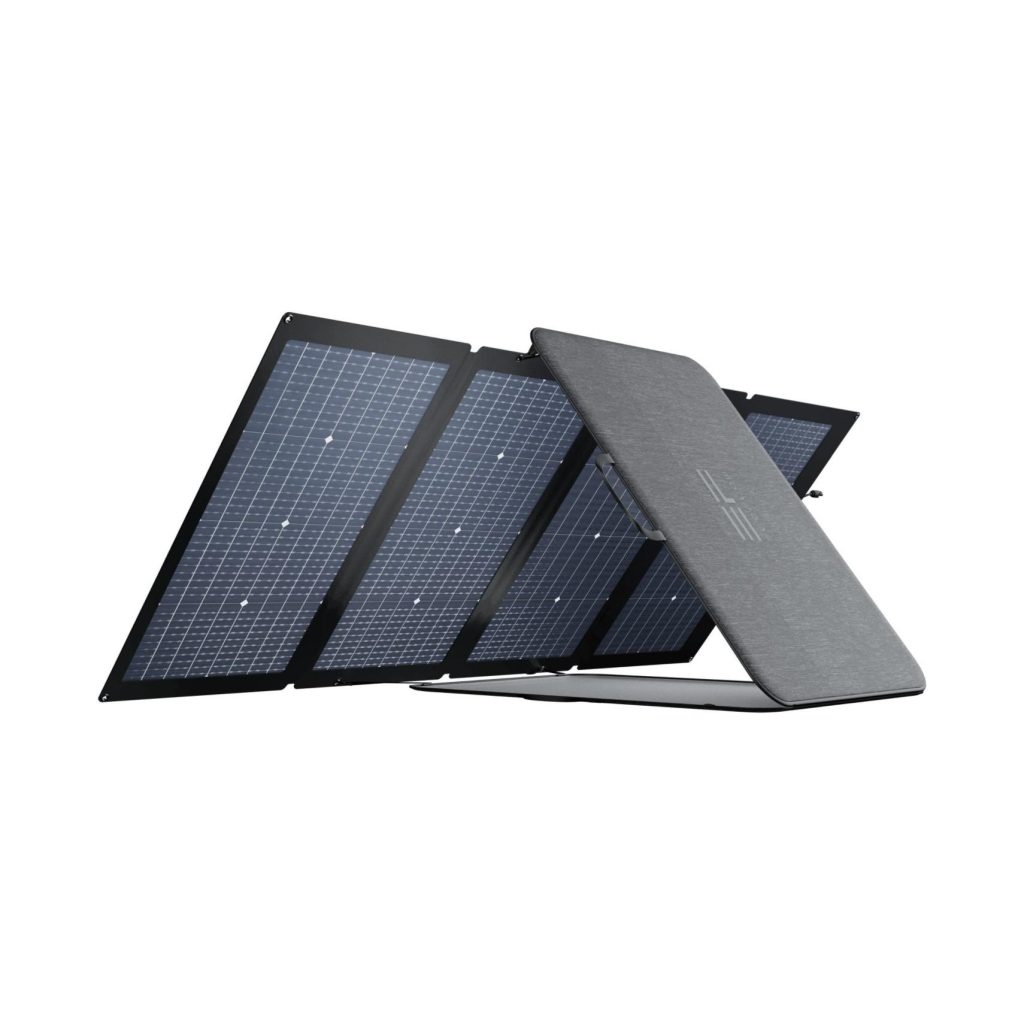
Imagine you’re out in the wild, surrounded by nature’s beauty, with the sky as your ceiling and the earth as your floor. You’ve got everything you need: a tent, some snacks, and your trusty foldable solar panels to keep your gadgets charged.
But as you unfold those panels, a thought crosses your mind: “Will they break easily? ” This question is crucial, especially if you rely on these panels for your adventures or even your everyday energy needs. You want something that’s not only efficient but also durable enough to withstand the elements.
We’ll uncover the truth about foldable solar panels and their durability. You’ll learn what makes them tick, what you should look out for, and whether they truly stand up to the test of time. Dive into the details and ease your concerns as we explore the resilience of these innovative energy sources.

Credit: www.popularmechanics.com
Foldable Solar Panel Design
Foldable solar panels use strong and flexible materials. Thin film solar cells are common. These are lightweight and bend easily. The outer layer is often durable plastic. This protects the cells from damage. Some panels use aluminum frames. These frames add extra strength. High-quality materials prevent breakage. They also ensure long-lasting use.
Engineers add special features to foldable panels. Reinforced hinges are used. These hinges allow safe folding and unfolding. Panels often have protective coatings. These coatings guard against water and dust. Smart designs help absorb sunlight better. This makes the panels more efficient. Shock-absorbing materials are sometimes added. This reduces the risk of damage from drops.
Durability Factors
Foldable solar panels are designed to handle light impacts. Strong materials help them resist scratches and dents. They can withstand small falls without breaking. Regular use won’t damage them easily. But, heavy impacts can cause cracks. Avoid dropping them from high places. Proper care ensures long-lasting panels. Keep them in a safe place when not in use. They are built for outdoor adventures.
These panels are made to survive different weather conditions. Rain and dust won’t harm them much. They can handle hot sun and cold winds. Panels are often water-resistant. But, don’t leave them in storms for long. Extreme weather can reduce their lifespan. Store them inside during bad weather. Proper storage keeps them working well. With care, they last for years.
Testing And Standards
Foldable solar panels undergo strict testing. These tests ensure they meet industry standards. Panels face harsh conditions to test their durability. They are exposed to wind, rain, and sun. Temperature extremes are also part of the tests. These tests help ensure panels last longer. Reputable brands follow these benchmarks closely. This ensures panels are both safe and reliable.
Real-world testing is vital for foldable solar panels. These tests simulate everyday use. Panels are folded and unfolded many times. This checks their flexibility and strength. Panels are also tested in real weather. This includes rain and strong wind. Real-world tests ensure panels can handle daily challenges. Successful tests mean panels are trustworthy. Always choose panels with proven real-world results.

Credit: www.popularmechanics.com
Common Issues
Some foldable solar panels have manufacturing defects. These defects can cause panels to break easily. Poor materials are often used in production. This makes panels less durable. Bad designs can also lead to weak spots. These spots may crack or bend over time. Sometimes, connections between parts are not strong. This can make panels fail during use. Quality checks are important to avoid these issues. Always buy from trusted brands. They usually have better quality control.
Improper handling can cause solar panels to break. Dropping panels can damage them. Always carry them carefully. Folding panels the wrong way can lead to cracks. Follow the manufacturer’s instructions. Bending panels too much is bad. It can cause permanent damage. Cleaning with rough tools can scratch surfaces. Use soft cloths instead. Storage in bad places can harm panels. Keep them in dry, safe areas.
Maintenance Tips
Foldable solar panels are designed to be durable. Regular cleaning and careful handling can prevent damage. Store in a dry place and avoid sharp objects to extend their lifespan.
Proper Storage
Foldable solar panels must be stored carefully. Keep them in a dry place. Avoid places with high moisture. Moisture can damage the panels. Use a protective cover. This helps keep dust away. Dust can block sunlight. This reduces energy production. Store panels flat. Avoid bending or folding tightly.
Routine Cleaning
Regular cleaning is important. Use a soft cloth to wipe panels. Avoid harsh chemicals. Chemicals can harm the panel surface. Clean panels gently. Check for dirt or debris. Remove dirt to improve efficiency. A clean panel captures more sunlight. More sunlight means more energy. Clean panels every few months.
Advancements In Durability
Foldable solar panels boast significant advancements in durability. Designed with robust materials, they withstand harsh conditions without breaking easily. Enhanced technology ensures longevity and efficiency in portable energy solutions.
Technological Improvements
Foldable solar panels are now stronger than before. New materials make them less likely to break. Flexible plastics and reinforced corners help them last longer. These panels can bend without snapping. Special coatings protect them from the sun and rain. This keeps them from wearing out quickly. Engineers test them in tough conditions. They want to make sure they work well for many years.
Future Trends
Future solar panels will be even tougher. Scientists explore new materials to improve strength. Self-healing tech might fix small cracks by itself. Smart sensors will check for damage and alert users. This helps keep panels working without problems. Lightweight designs will make them easy to carry. People can use them in more places. These trends will help solar panels become more popular.

Credit: www.youtube.com
Frequently Asked Questions
What Are The Problems With Flexible Solar Panels?
Flexible solar panels often have lower efficiency and shorter lifespans. They can be prone to damage and wear. Installation may be challenging due to their thin nature. They might not withstand harsh weather conditions as well as rigid panels. Their performance can degrade faster over time.
What Is The 33% Rule In Solar Panels?
The 33% rule in solar panels refers to the theoretical maximum efficiency limit, known as the Shockley-Queisser Limit. This limit suggests that solar cells can convert only up to 33% of sunlight into electricity due to energy loss. This efficiency is a benchmark for solar technology advancements.
What Is The Life Expectancy Of A Flexible Solar Panel?
Flexible solar panels typically last between 5 to 10 years. Their lifespan depends on quality, usage, and environmental conditions. Regular maintenance can help extend their longevity. They offer durability for temporary or portable applications, making them a versatile choice for various energy needs.
How Durable Are Flexible Solar Panels?
Flexible solar panels are durable and designed to withstand various weather conditions. They typically last 10-15 years. These panels resist impact and stress, making them suitable for portable applications. Proper maintenance can extend their lifespan. Regular checks help ensure optimal performance and durability.
Conclusion
Foldable solar panels are generally durable and reliable. Proper handling extends their lifespan. They are designed for outdoor use, withstanding various weather conditions. While not indestructible, they are resilient. Choose quality brands for better longevity. Check warranties for peace of mind.
Always follow care instructions. Avoid placing heavy objects on them. This helps prevent damage. Keep them clean for optimal performance. Portable and flexible, they suit many needs. Ideal for camping or travel. Consider them a smart investment. They offer sustainable energy solutions.
Overall, foldable solar panels perform well with care.