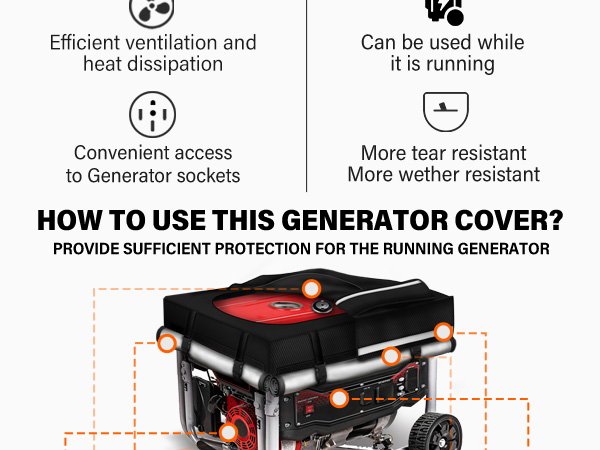
Imagine the peace of mind knowing your generator is protected, rain or shine. But wait—does your generator cover need ventilation?
If you’re like most people, you want to keep your generator safe from the elements without risking overheating. After all, you rely on your generator to keep your home powered when the unexpected happens. In the following article, you’ll discover why ventilation could be the secret to extending your generator’s life and ensuring it runs efficiently.
This is not just about keeping your equipment safe; it’s about empowering you to make the smartest choices. You might be surprised by what you learn. Keep reading to uncover the real impact of ventilation and how it can transform your approach to generator maintenance.

Credit: www.ebay.com
Importance Of Ventilation For Generators
Generators need proper ventilationto work safely and efficiently. They produce heat and fumes. These need to escape easily. Without ventilation, a generator can overheat. This might cause damage or even a fire. Dangerous fumes like carbon monoxide can build up too. This is very harmful to people nearby. A ventilated cover helps air to flow. It keeps the generator cool. It also lets fumes escape safely. Proper vents in covers ensure this airflow. This keeps everything safe and running well. So, choosing the right cover is important. It should have good ventilation features.
Potential Risks Of Poor Ventilation
Poor ventilation for generator covers can lead to overheating and dangerous carbon monoxide buildup. This increases the risk of fire and poses health hazards. Proper airflow is essential to ensure safety and efficient operation.
Overheating Issues
Generators can get very hot during use. Without good air flow, they might overheat. This can cause damage to the generator parts. Overheating can also lead to short circuits. This is risky and can start a fire. Keeping air flow around the generator is important. It helps the generator to work well and stay safe.
Emissions Concerns
Generators release gases that can be harmful. These gases need a way to escape. Without proper ventilation, these gases can build up. This can be dangerous for people nearby. Breathing in these gases can make people sick. It is important to have proper ventilation. This ensures that the gases can leave safely.
Types Of Generator Covers
Generator covers come in various types, each designed with specific features. Ventilation is crucial for preventing overheating and maintaining performance. Choose covers with proper air flow to protect your generator.
Weatherproof Covers
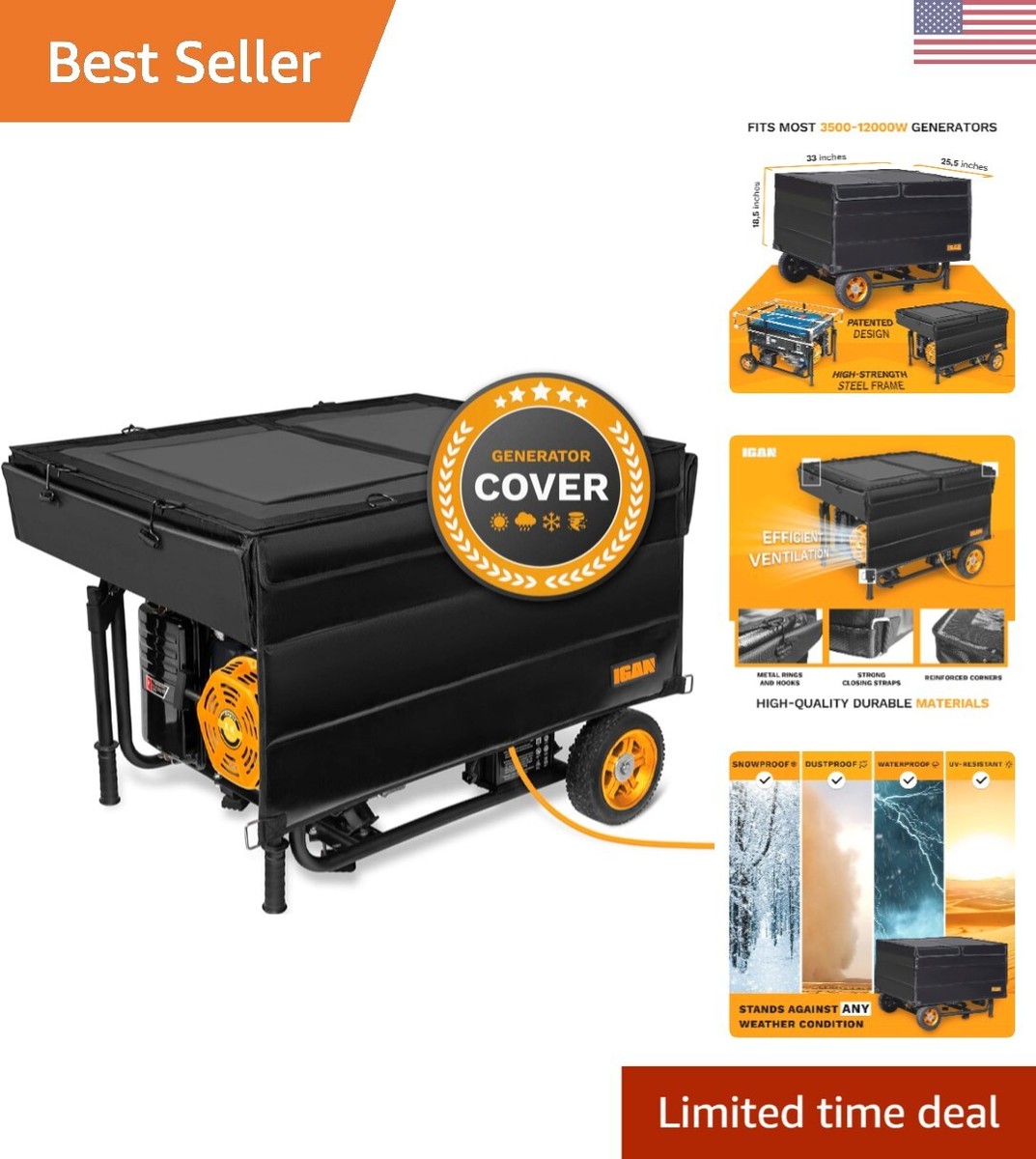
Weatherproof covers protect generators from rain, snow, and dust. They are made from strong materials like polyester. This helps keep the generator dry and clean. A snug fit is important for the best protection. Some covers have vents to let air flow. This prevents moisture buildup inside. Always check if the cover fits your generator model.
Soundproof Enclosures
Soundproof enclosures reduce noise from generators. They are useful in quiet areas. The enclosures are made from thick, noise-blocking materials. This makes them heavy but effective. Some designs also include vents. This ensures the generator gets enough air. Check the size before buying one.
Credit: www.ebay.com
Factors Affecting Ventilation Needs
Generator covers need ventilation to ensure proper airflow and prevent overheating. Adequate ventilation helps maintain the generator’s performance and prolong its lifespan. It also ensures safety by reducing the risk of fire hazards.
Generator Size
A large generator needs more ventilation. The size affects airflow. A small generator may need less space for air. Big generators produce more heat. Heat needs to escape. Proper ventilation helps in cooling. Cooling keeps the generator running well. Poor ventilation can damage parts. Damage can stop the generator. Always check the size before buying. Big machines need bigger spaces.
Environmental Conditions
Hot weather increases ventilation needs. Airflow helps in cooling. Cold weather needs less ventilation. But, proper airflow is still needed. Humidity affects cooling too. Wet air can cause problems. Dusty areas need special care. Dust can block airflow. Blockage reduces cooling. Wind can help or harm ventilation. Strong winds can blow dust. Dust can affect performance. Always consider the environment.
Best Practices For Ventilating Generator Covers
Using the right materials is crucial for generator covers. Breathable fabrics allow air to flow easily. This helps prevent overheating. Mesh materials are a good option. They let the heat escape without letting rain in. Make sure the material is durable. It should withstand sun, rain, and wind. Water-resistant materials are ideal for outdoor covers. They keep the generator dry while allowing ventilation.
Design plays a big role in ventilation. Look for covers with built-in vents. These are openings that let air move freely. Some covers have flaps that open and close. This helps control airflow. Zippers or Velcro openings are useful for quick access. Ensure the cover fits well but isn’t too tight. A snug fit helps in protecting but should allow air to pass. Always check that the design supports easy removal for maintenance.

Credit: www.amazon.com
Innovative Solutions For Better Airflow
Generators need good airflow to work well. Advanced systems can help. These systems use smart designs to let air move easily. Fans are placed in key spots to boost airflow. This keeps the generator cool. A cool generator works better and lasts longer. Proper ventilation stops overheating. Overheating can cause serious damage. It’s important to keep the generator safe.
Smart technology helps monitor airflow. Sensors track air movement around the generator. Alerts tell you if airflow is blocked. This helps prevent problems early. Data shows how the system works over time. You can see if changes are needed. Real-time monitoring keeps the generator running smoothly. Safe and efficient operation is key. These technologies make it easier to manage ventilation.
Frequently Asked Questions
Are Running Generator Covers Safe?
Running generator covers are safe if used correctly. Ensure proper ventilation to prevent carbon monoxide buildup. Use covers designed for generators to protect from weather without obstructing airflow. Always follow the manufacturer’s guidelines for safety and maintenance.
Does A Generator Need Ventilation?
Yes, a generator needs ventilation. Proper ventilation prevents overheating and reduces carbon monoxide buildup. Always place generators outdoors. Ensure a safe distance from windows and doors to avoid fume entry. Adequate airflow extends generator life and ensures efficient operation. Prioritize safety by maintaining clear ventilation paths.
How Much Ventilation Does A Generator Box Need?
A generator box needs sufficient ventilation to prevent overheating. Ensure at least 3 feet of clearance around it. Proper airflow is crucial for safety and efficiency. Always follow the manufacturer’s guidelines for ventilation requirements. Regularly check for obstructions to maintain optimal performance.
Do Generators Give Off Carbon Monoxide?
Yes, generators produce carbon monoxide, a harmful gas. Operate them outdoors, away from windows and doors. Ensure proper ventilation to prevent poisoning. Always follow safety guidelines to protect your health.
Conclusion
Proper ventilation for generator covers matters. It ensures safety and efficiency. Without airflow, generators overheat. This leads to performance issues. Ventilated covers help cool the engine. They prevent damage. They extend lifespan. Choose covers with built-in vents. These designs allow air circulation.
They protect against dust and debris. Always check cover specifications. Make sure they suit your generator’s needs. Consider climate and usage frequency. A well-ventilated cover is a smart investment. It keeps your generator running smoothly. Remember, good ventilation equals reliability.
Keep your generator safe and functional.