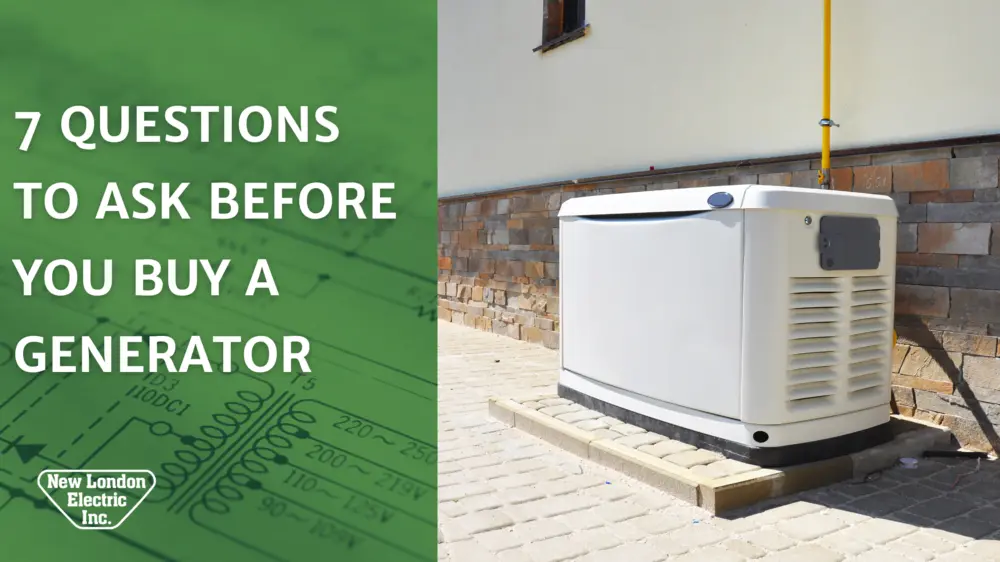
Are you considering installing a standby electric generator for your home but worried about HOA approval? You’re not alone.
Many homeowners face this dilemma. Navigating the rules and regulations of a Homeowners Association (HOA) can be a daunting task, especially when it comes to making significant changes to your property. But don’t let that stop you from ensuring your home’s safety and comfort during power outages.
You’ll discover the essential steps to gain HOA approval for your generator installation. We’ll break down the process into simple, actionable steps, and share tips to increase your chances of success. By the end, you’ll feel confident and well-prepared to move forward with your plans. Stay with us, and let’s clear up the confusion together.
Credit: generxgenerators.com
Hoa Rules On Generator Installation
HOA rulesoften control standby generator installation. These rules keep the community safe and neat. Many HOAs require approvalbefore installation. Noise limitsand placement rulesare common. Some HOAs want the generator hidden from the street view. Others may need the unit to match the house style.
Rules can include:
- Permits or written approval
- Approved locations only
- Noise level restrictions
- Regular maintenance requirements
Each community has different rules. Some allow generators freely, others are strict. It depends on the HOA’s goalsand community layout. Always check your specific HOA guidelines before buying or installing a generator.
Credit: flpowersolutions.com
Approval Process For Generators
Approval from the Department of Housing and Architecture (DOH) is required to install standby electric generators. The process includes submitting plans and meeting safety standards. Approval ensures the generator installation follows local rules and protects your property.
Submitting Applications
Homeowners must submit a detailed application to the HOA. This includes the generator’s make, model, and installation plan. A site plan showing where the generator will sit is often required. Some HOAs may ask for noise level specifications. Clear and complete applications help speed up approval.
Review Timelines And Criteria
| Review Aspect | Details |
|---|---|
| Timeline | Typically, 2 to 4 weeks for review and decision |
| Noise Limits | Must meet HOA noise restrictions, usually under 65 dB |
| Placement | Generator location must not block views or paths |
| Appearance | Must blend with home design and neighborhood style |
| Safety | Installation must meet local codes and safety standards |
Types Of Generators Allowed
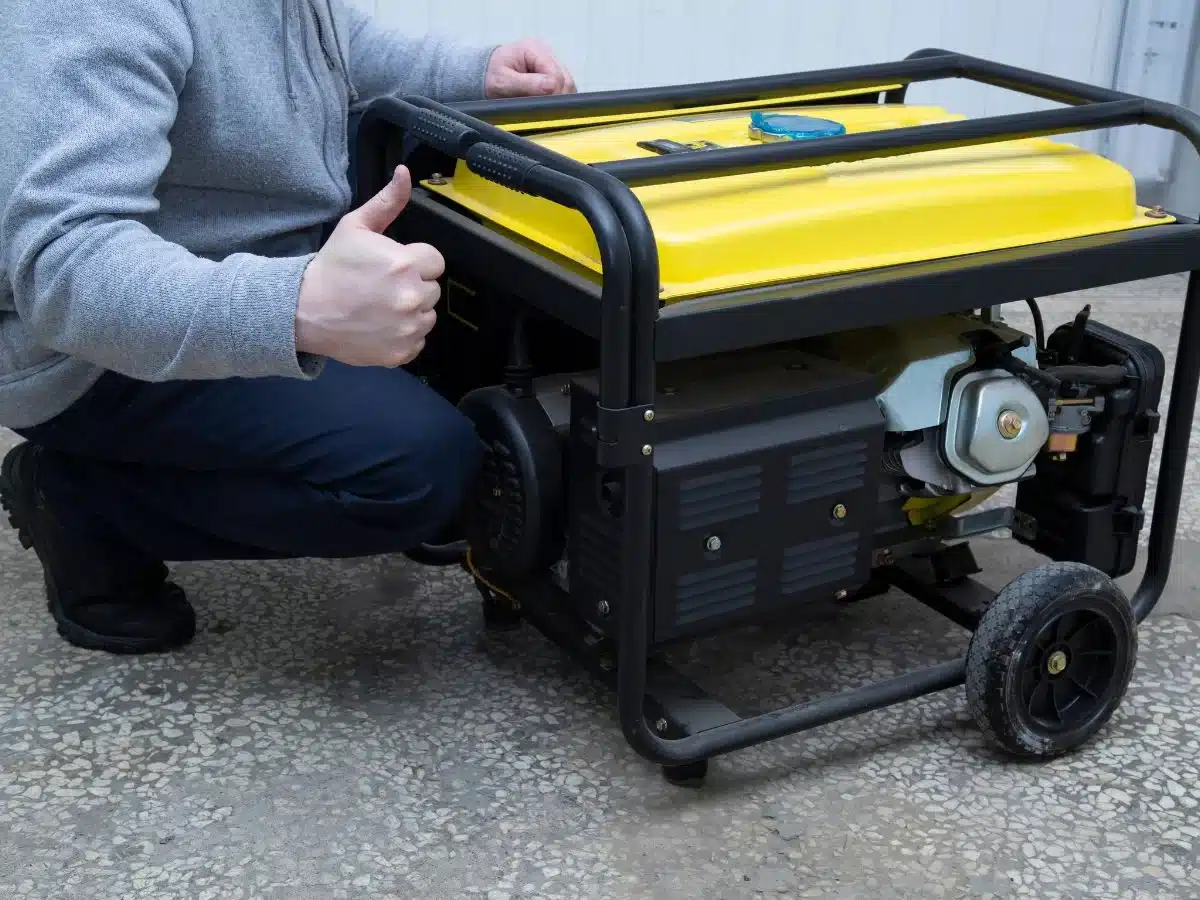
Portable generatorsare small and easy to move. They work well for short power outages. Standby generatorsare larger and fixed outside homes. They start automatically during power cuts.
Many HOAs prefer standby generators because they provide constant power. Portable ones might cause noise or safety concerns.
| Type | Size | Power Supply | Installation | HOA Preference |
|---|---|---|---|---|
| Portable | Small | Manual | None | Less Preferred |
| Standby | Large | Automatic | Fixed Outside | More Preferred |
- Noise limits are often strict in HOAs.
- Generators must meet local emission rules.
- Standby generators usually run quieter than portable ones.
- Proper location and sound barriers help meet noise standards.

Credit: eg-electric.com
Safety And Compliance Requirements
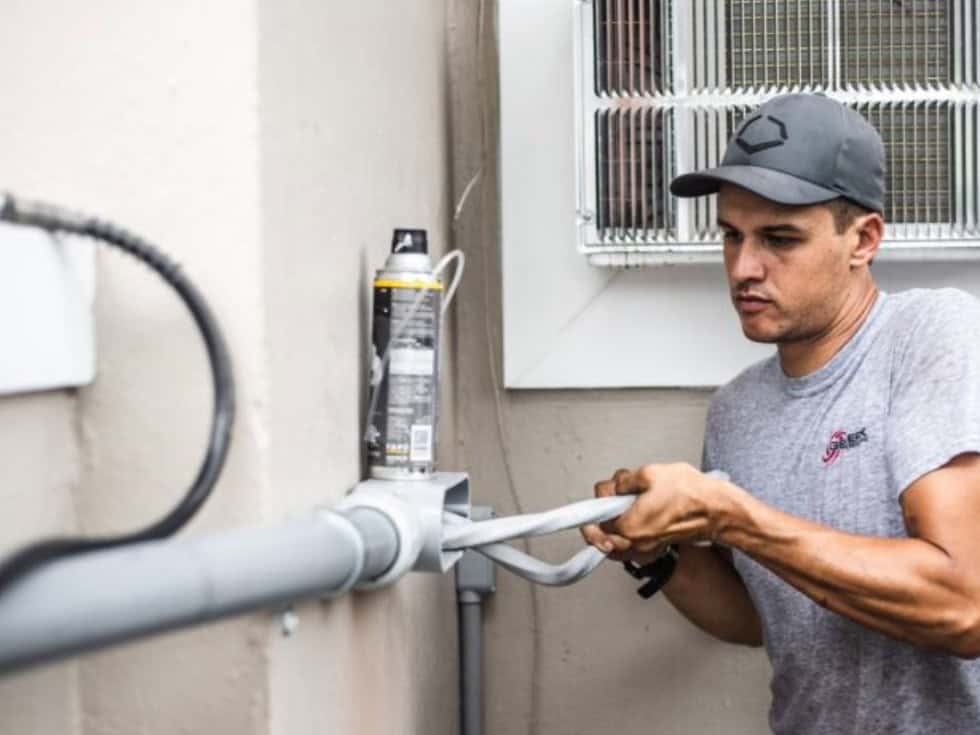
Standby electric generators must meet strict installation standards. These rules ensure safety and proper operation. Generators should be installed by licensed professionals. Proper ventilationis necessary to avoid dangerous gas buildup. The generator must be placed on a stable, non-combustible surface. Clearances from walls and other objects are required for safe use.
Regular inspection and maintenancekeep generators working well. Check fuel lines, batteries, and electrical connections often. Clean or replace filters to maintain efficiency. Testing the system under load ensures it will perform in emergencies. Keep a record of all maintenance activities for complianceand safety checks.
Costs And Financial Considerations
Installing a standby electric generator can involve high upfront costs. These include buying the generator, hiring professionals for installation, and any necessary permits. The size and type of generator affect the price. Larger units cost more, but they provide more power.
HOA feesmay add to the expense. Some HOAs charge extra feesor require deposits for generator installation. There might also be penaltiesif installation rules are not followed.
- Generator cost: varies by size and type
- Installation fees: includes labor and permits
- HOA fees: extra charges or deposits
- Penalties: fines for rule violations
Alternatives To Standby Generators
Battery backup systemsstore power in large batteries. These batteries provide electricity during outages. They are quietand clean, producing no fumes. Installation is often easier than generators. Batteries need charging but can supply power for several hours. They work well for small homesor short outages.
Community power solutionsshare electricity across many homes. These systems use solar panels, wind, or other green energy sources. They reduce the need for individual generators. Power is more reliableand environmentally friendly. This option helps neighborhoods stay powered during blackouts. It often lowers costs for everyone involved.
Frequently Asked Questions
Does Hoa Approval Affect Standby Generator Installation?
Yes, HOA approval is often required before installing a standby generator. Homeowners must comply with HOA rules to avoid fines or removal.
What Factors Do Hoas Consider For Generator Approval?
HOAs evaluate noise levels, placement, and aesthetics to ensure the generator blends with the community’s standards and doesn’t cause disturbance.
How Can Homeowners Get Hoa Approval For Generators?
Homeowners should submit detailed plans and specifications to the HOA board. Clear communication and adherence to guidelines increase approval chances.
Are There Common Hoa Restrictions On Standby Generators?
Yes, restrictions often include generator size, noise limits, and location to maintain neighborhood appearance and peace.
Conclusion
Homeowners should check their HOA rules before installing a standby generator. Many HOAs have specific guidelines to follow. Approval often depends on safety, noise, and appearance concerns. Always ask the HOA board for permission first. Proper installation keeps your community safe and peaceful.
Standby generators can offer power during outages. But respecting HOA rules helps avoid fines or conflicts. Plan carefully and communicate with neighbors. This approach makes the process smooth and stress-free.