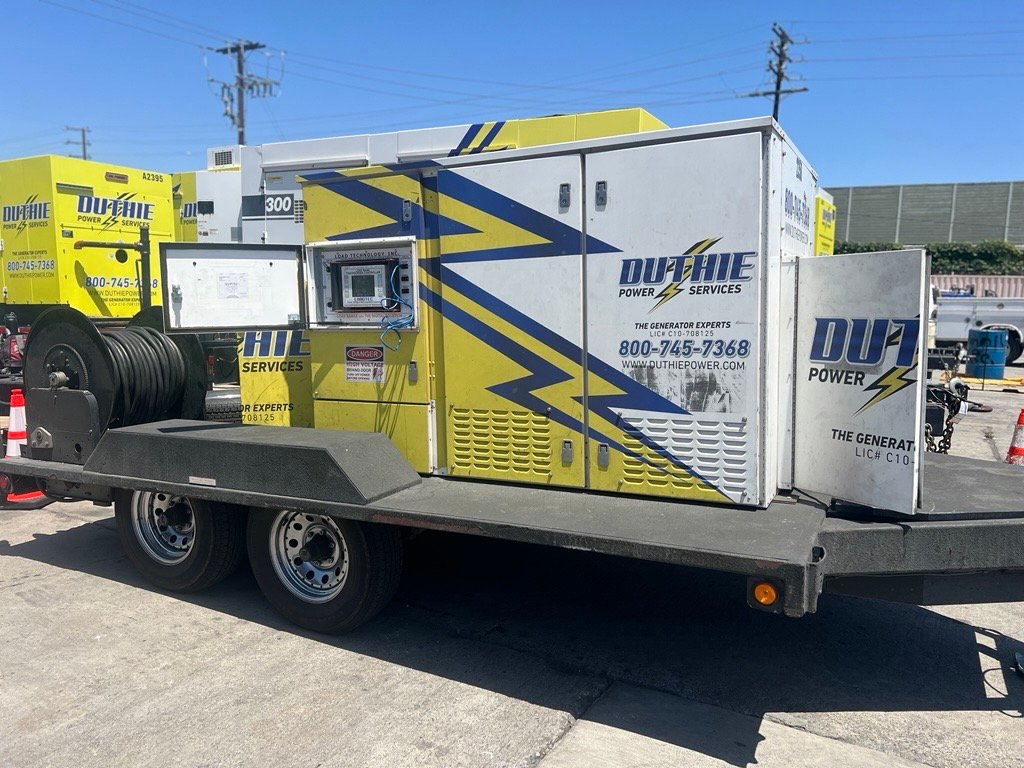
Imagine this: the lights go out, and your home backup generator roars to life, promising to keep your household running smoothly. But how can you be sure it will perform when you need it most?
This is where load testing comes into play. You might wonder, “Do home backup generators need load testing? ” The answer could impact your comfort, safety, and peace of mind during unexpected power outages. Load testing ensures your generator is ready to handle the real-world demands of keeping your home powered up.
Without it, you might face unexpected failures when you least expect them. Dive into this article to discover why load testing is not just a recommendation but a necessity for your home backup generator. Your home’s reliability and your family’s safety might just depend on it.

Credit: www.achrnews.com
Importance Of Load Testing
Load testingchecks how well a generator works under heavy use. It helps find any hidden problemsin the generator. These problems can cause failure during a power outage. Load testing ensures your generator can handle full powerdemands. It gives peace of mind knowing your backup is ready. It keeps your home safe when the lights go out.
A generator may seem fine without load testing. But it could have issues that only show up under full load. These tests help spot wear and tearearly. Fixing these problems can avoid big repairs later.
Regular load testing is a smart choice. It helps keep your generator in top shape. Protect your home with a generator that works when needed.
How Load Testing Works
Load testingchecks how well a generator handles power. It uses tools to measure the load. The generator runs under different conditions. Engine performanceis checked during the test. The test ensures the generator can handle emergencies. It helps find weak spots in the system.
Technicians use special equipment to test the load. They record data for analysis. This helps improve the generator’s reliability. Proper load testing prevents breakdowns. It ensures the generator works when needed most.
Load testing also checks fuel efficiency. It helps save on fuel costs. Testing is important for safety. It keeps the home safe during power outages. Regular testing extends the life of the generator.
Benefits Of Regular Load Testing
Regular load testing makes sure generators work every time. It checks for problems before they happen. This keeps homes safe during power outages. A reliable generator protects your family and home.
Load testing helps find weak parts in generators. Fixing these early stops bigger problems later. This means fewer breakdowns when you need power most. Avoiding failures saves money and stress.
Generators work best with regular checks. Load testing improves their performance. It helps them run smoothly and efficiently. This ensures you get the most power possible. Better performance means longer generator life.
Types Of Load Testing
Home backup generators need load testing to ensure they can handle power demands during outages. Common load testing types include stress testing, which checks performance under extreme conditions, and endurance testing, which evaluates generator reliability over time. Regular testing helps maintain efficiency and readiness.
Capacity Testing
Capacity testing checks how much power a generator can handle. It shows the maximum load your generator can support without issues. This test ensures your generator works well during heavy use. It helps prevent overloading, which can cause damage. Technicians use special tools to measure performance. Testing helps find the limits of your generator safely. It also helps ensure you have enough power during emergencies. Regular testing keeps your generator in top shape.
Stress Testing
Stress testing pushes the generator beyond normal limits. This test helps find weaknesses in the system. It shows how your generator handles extreme conditions. Sometimes, generators may face unexpected demands. Stress testing prepares them for these situations. It identifies potential failures before they happen. Technicians monitor everything carefully during the test. This way, your generator remains reliable and ready when you need it most. Proper testing keeps your power running smoothly.
Steps To Conduct Load Testing
Load testing ensures your home backup generator can handle power outages effectively. Start by assessing the generator’s capacity to meet electrical demands. Gradually increase the load to simulate real-life usage, monitoring performance and efficiency.
Preparation
Gather all necessary tools for the testing process. Ensure the generator is in good condition. Check fuel levels and connections. Safety gear must be worn at all times. Inform everyone nearby about the test. Keep a recording device ready to log data.
Execution
Start the generator at a low load. Gradually increase the load to desired levels. Monitor the generator’s performance closely. Listen for any unusual sounds or vibrations. Note changes in power output. Ensure the generator runs smoothly.
Analysis
Review data collected during the test. Identify any issues or irregularities. Compare performance against expected results. Make adjustments if needed. Document findings for future reference. Ensure the generator meets safety standards.

Credit: www.coopergeneratorservices.com
Common Challenges In Load Testing
Understanding load testing for home backup generators can be tricky. Common challenges include simulating real-world conditions and ensuring accurate load distribution. Proper testing helps maintain reliability during power outages.
Technical Issues
Generators can face complex technical issuesspecial skillsto repair. Everyone wants their generator to work smoothly. Regular checks are important. They can find problems early. This helps keep the generator running well.
Environmental Factors
Weatheraffects generators a lot. Rain can cause problems. Cold can freeze parts. Heat can make generators overheat. Dust can block parts. These things can make the generator fail. It’s important to check for these issues. Keeping the generator clean helps. Protecting it from weather is smart. It can keep the generator working strong.
Choosing The Right Equipment
Home backup generators require regular load testing to ensure reliability during power outages. Load testing simulates actual usage conditions, helping identify potential issues early. Proper equipment selection for load testing is crucial to maintain generator performance and longevity.
Factors To Consider
Home backup generators are important during power outages. They provide electricity when normal power sources fail. Choosing the right equipment is crucial for safety and efficiency. Consider the generator’s capacity. It should handle your home’s electrical load. Look at the fuel type. Common types are diesel, natural gas, and propane. Each has its benefits. Think about the noise level. Quiet generators are better for neighborhoods. Check the generator’s maintenance needs. Easy maintenance saves time and effort. Consider the installation cost. It can vary based on the complexity of setup. Choose a generator that fits your budget.
Recommended Tools
- Load bank testershelp check generator performance.
- Voltage metersmeasure electrical output.
- Fuel gaugesshow fuel levels accurately.
- Maintenance kitskeep generators in good condition.
Professional Vs Diy Load Testing
Home backup generators benefit from load testing to ensure reliability during power outages. Professional testing provides precision and expertise, while DIY testing offers a cost-effective approach. Deciding between the two depends on budget and technical skills.
Advantages Of Professional Testing
Professional testingoffers many benefits for backup generators. Experts use special tools. These tools give accurate results. Trained technicians know what to look for. They can spot problems early. This prevents costly repairs later. Professionals follow safety rules. This keeps everyone safe. They also give detailed reports. You can understand how your generator performs. A professional test can increase the life of your generator. It ensures your generator works during power outages. In the long run, you save time and money.
Diy Testing Tips
Testing your generator at home is possible. Start with a small load. This helps you understand how your generator handles power. Check the voltage and frequency. Make sure they are correct. Listen for strange noises. These can be signs of problems. Always read the manual first. It gives important instructions. Remember to wear safety gear. This protects you from accidents. Keep the area clear. Children and pets should stay away. Use a timer to track how long you test. Stop if you see or hear anything unusual.
Safety Precautions
Before testing, ensure the generator is in a safe location. Keep it away from water and flammable items. Always turn off the main power supply. This prevents any electrical accidents. Use proper protective gearlike gloves and goggles. These items protect against injuries. Ensure the area is well-ventilated. Generators release harmful fumes. Never touch the generator with wet hands. This can lead to electric shocks.
Regularly check all cords and connections. Look for any signs of wear or damage. Keep children and pets away from the testing area. They might accidentally touch dangerous parts. Follow the manufacturer’s instructions carefully. Each generator may have specific guidelines. Double-check everything before starting the test. It’s better to be safe than sorry.

Credit: lj-machine.com
Frequently Asked Questions
How To Load Test A Home Generator?
Load test a home generator by connecting it to the maximum expected load. Run it for a few hours to evaluate performance. Monitor voltage, frequency, and temperature. Ensure the generator handles the load efficiently without overheating or dropping power. Conduct tests regularly to ensure reliability.
What Are The Load Testing Requirements For A Generator?
Generators need load testing to verify their efficiency and reliability. Test under 30%, 50%, 75%, and 100% loads. Ensure proper cooling, fuel, and lubrication systems function. Regular testing helps identify potential issues early. Conduct tests according to manufacturer guidelines for optimal performance.
Do I Need A Load Bank For A Generator?
A load bank tests a generator’s performance by simulating real electrical loads. Regular testing ensures reliability and efficiency. Commercial and industrial applications often require load banks for maintenance and compliance. Regular testing with a load bank can prevent unexpected failures and extend generator lifespan.
How Often Should A Load Bank Test Be Done On A Generator?
A load bank test should be done on a generator annually. Regular testing ensures efficient performance and reliability. It’s crucial for detecting potential issues early. This proactive approach helps maintain optimal functionality, preventing unexpected failures during critical operations. Always follow the manufacturer’s guidelines for specific testing intervals.
Conclusion
Regular load testing keeps your generator reliable. It helps identify issues early. Avoid unexpected power failures. Testing ensures optimal performance during outages. It’s essential for safety too. Prevents overloads and potential hazards. Regular checks extend your generator’s life. Save on costly repairs with proactive testing.
Protect your investment with these tests. Maintain peace of mind during storms. Keep your home powered and secure. Make load testing a routine practice. A small effort for big benefits. Ensure your generator is ready when needed. Stay prepared and powered with proper testing.