Imagine a future where power outages are a thing of the past, and your home is always prepared for the unexpected. This could be your reality with a home backup system.
But here’s the burning question: do these systems qualify for tax credits? The answer could mean saving you a significant amount of money. You might be eligible for financial incentives that make investing in a backup system even more enticing.
As you navigate the complexities of tax credits and home improvements, this article will guide you through the details. Discover how you can potentially reduce your tax bill while safeguarding your home’s power. Ready to find out how to make your home both resilient and cost-effective? Let’s dive in and uncover the possibilities waiting for you.

Credit: canterpowersystems.com
Home Backup Systems Tax Incentives
Various home backup systems may qualify for tax credits. These systems include solar batteries and fuel cells. Solar batteries store energy from the sun. Fuel cells generate electricity using chemical reactions. Both systems help reduce reliance on the power grid. They provide power during outages. Not all systems are eligible for tax credits. It’s important to check the specific requirements.
To qualify for tax credits, systems must meet specific criteria. The system should be installed in a primary or secondary home. It must provide backup power during outages. The system should meet energy efficiency standards. Only new installations qualify for these incentives. Used or previously installed systems do not qualify. Always verify eligibility with local tax authorities.
Federal Tax Credit Programs
Federal programs offer incentives for energy-efficient home systems. These programs help save money on taxes. Installing energy-efficient systems can make homes greener. Homeowners should check if their systems qualify. Certain solar panels and wind turbines might get credits. Tax credits reduce the amount paid in taxes. It helps people save money yearly. Always keep receipts and proof of purchase. These documents are important for claims.
Renewable energy systems help the environment. They use natural resources like the sun. This reduces reliance on fossil fuels. Solar panels are a popular choice for homes. They convert sunlight into electricity. Wind turbines use wind to generate power. Both systems can lower electricity bills. They also make homes more eco-friendly. Investing in renewable energy can be smart. It helps both the planet and your pocket.
State-specific Tax Credits
Home backup systems may qualify for state-specific tax credits, depending on the state’s regulations. Check your state’s guidelines to see if your system is eligible for these financial benefits.
Available Programs
Many states offer tax creditsfor home backup systems. These programs can help save money. Each state has different rules and benefits. Some states provide bigger savings. Others may have smaller credits. Knowing your state’s program is important.
Application Process
Applying for tax credits is usually simple. Gather all necessary documents first. Fill out the forms correctly. Submit the forms to the right office. Keep copies of everything you send. Mistakes can slow down the process.
Cost Savings Analysis
Home backup systems can offer significant financial benefits. They help in reducing electricity bills. During power outages, these systems keep your home running. Tax credits can further decrease the initial cost. This makes the investment more attractive. A smaller electric bill means more savings each month. With less dependency on the grid, your expenses drop.
Investing in a home backup system leads to long-term savings. These systems last for many years. Over time, the savings accumulate. You spend less on repairs and replacements. Tax credits also enhance these savings. The return on investment grows with each year. Backup systems protect your home and save money too.
Steps To Claim Tax Credits
Determining eligibility for tax credits involves checking if your home backup system qualifies. Review current tax laws and guidelines. Gather necessary documentation like receipts and installation details. Complete the required forms accurately. Consult a tax professional if needed for proper filing.
Documentation Requirements
Gather all receipts and proofs of purchase. Ensure every document is valid and up-to-date. Keep records of installation dates and costs. Collect manufacturer certifications and warranties. These prove your system qualifies for tax credits.
Filing Procedures
Complete the tax credit form carefully. Include all required information. Make sure you provide correct details. Attach necessary documents as proof. Double-check your entries for errors. Submit the form before the deadline. This ensures your claim is processed on time.

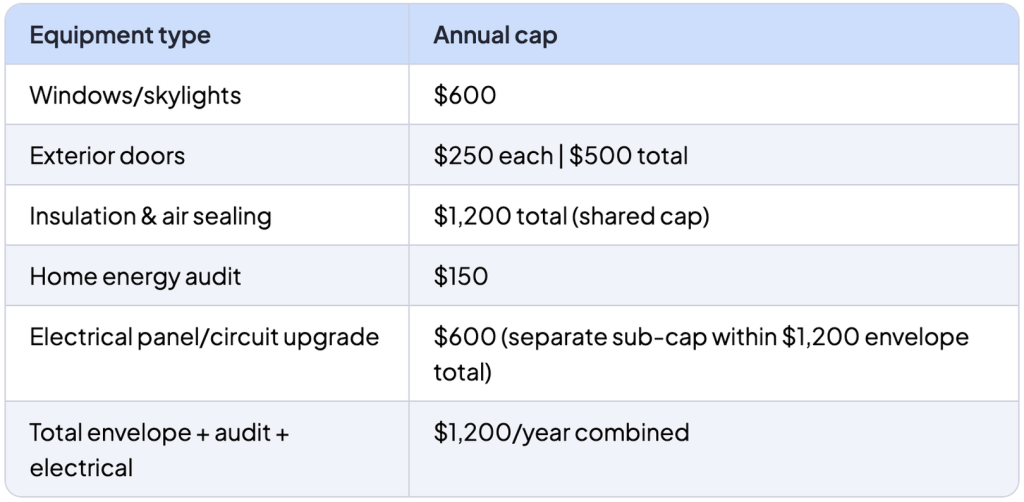
Credit: www.energysage.com
Common Misconceptions
Not all home backup systemsqualify for tax credits. Some systems are excluded because they don’t meet specific requirements. People often assume all systems are eligible, but that’s not true. It’s important to check the criteriabefore buying. Not checking can lead to disappointment later. Always consult the tax guidelines to ensure eligibility. Verifying details helps avoid mistakes. Misunderstandings can cost money if systems are not eligible. Knowing the exclusions is crucial.
Tax terms can be confusing. Many people mix up tax credits and deductions. A tax credit reduces the tax you owe. A deduction reduces your taxable income. Understanding these terms is important. Mistakes can lead to wrong calculations. Simple errors can affect your savings. Read the rules carefully. Knowing the difference helps in planning. It ensures accurate tax filing.
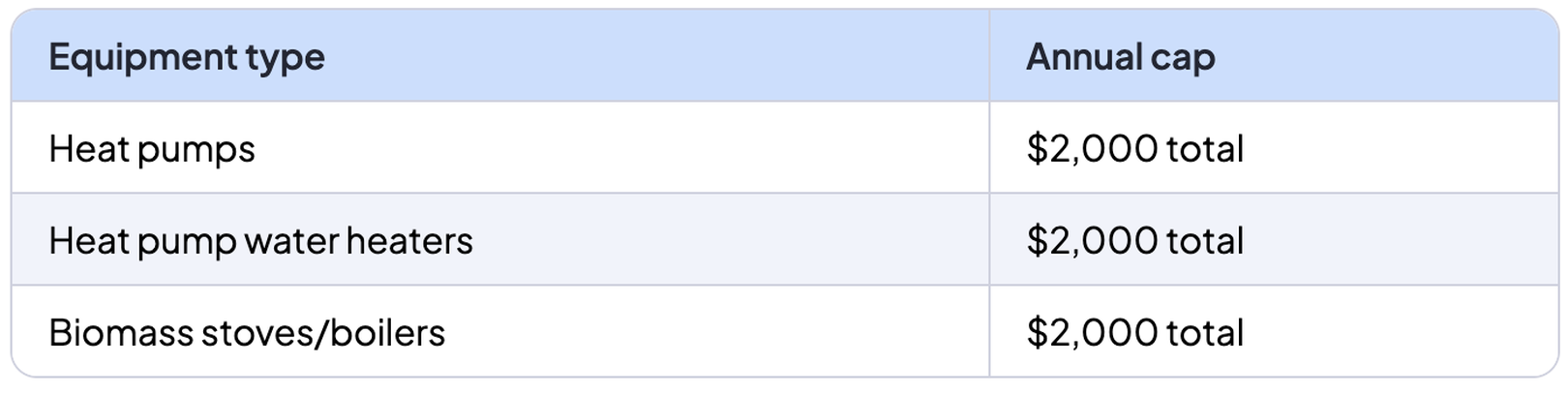
Credit: www.energysage.com
Frequently Asked Questions
What Hvac System Qualifies For Tax Credit 2025?
In 2025, HVAC systems with high energy efficiency ratings may qualify for tax credits. Look for Energy Star-certified systems, which often meet these criteria. Always consult the latest IRS guidelines or a tax professional for specific eligibility details.
Is There A Tax Credit For Home Battery Backup?
Yes, there is a tax credit for home battery backup systems. The federal solar tax credit covers battery installations. This credit can reduce the cost of solar energy storage. Verify eligibility requirements and consult a tax professional. This incentive supports clean energy and battery adoption.
Is There A Tax Credit For A Backup Generator?
Tax credits for backup generators depend on specific legislation and programs. Check IRS guidelines or consult a tax professional for eligibility. Generally, residential energy-efficient systems may qualify for credits under certain conditions. Always verify current tax laws to ensure compliance and potential benefits.
What Disqualifies You From A Solar Tax Credit?
Non-residential properties disqualify you from a solar tax credit. Leasing solar panels or not owning the property also disqualifies you. Previous tax credit claims on the same system disqualify you too. Ensure compliance with installation and purchase dates for eligibility.
Conclusion
Home backup systems offer potential tax savings. Understanding tax credits is vital. Eligibility depends on specific criteria. Research local regulations for clarity. Consult with tax experts if uncertain. Tax benefits may vary by state. Savings can offset initial costs. Keep receipts and documents organized.
Planning ahead makes the process smoother. Consider long-term advantages for your investment. Stay informed on updates to tax laws. This knowledge aids in financial decisions. Backup systems protect homes and provide peace of mind. Investing wisely can lead to better future savings.
Explore options and make an informed choice.