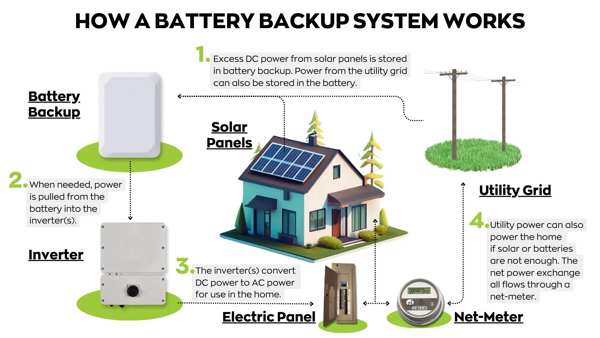
Imagine this: a storm hits, and suddenly, your smart home goes dark. No lights, no internet, and your smart fridge is now just a regular box.
Frustrating, right? But what if there was a way to keep everything running smoothly, even when the power goes out? This is where home backup systems come into play. If you’re wondering whether these systems can seamlessly integrate with your smart home, you’re not alone.
You deserve a home that’s as smart and reliable as you are. Keep reading to discover how home backup systems might just be the key to maintaining your tech-savvy lifestyle without interruptions. Your comfort and convenience are about to get an upgrade.
Integration Of Backup Systems
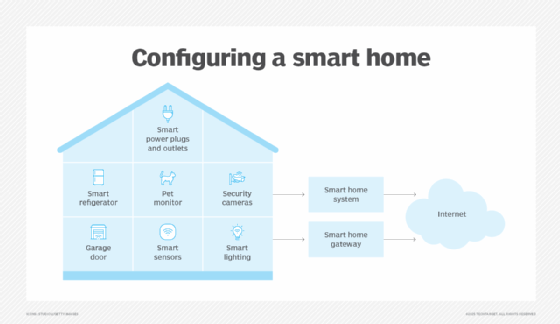
Backup systems must work with smart devices. Smart homes have many devices like lights, thermostats, and locks. It’s important that backup systems connect easily. They need to keep devices running during power outages. Many systems use wireless technology for easy setup. This ensures smart devices stay connected and functional. Proper integration helps make homes safe and efficient.
Backup systems need specific software and hardware. Software must be up-to-date. Some systems require special apps for control. Hardware should be reliable and durable. Devices must fit well with existing smart home tech. This ensures smooth operation and compatibility. Always check requirements before buying a system. This helps avoid issues and ensures seamless integration.
Credit: www.techtarget.com
Types Of Backup Systems
Home backup systems ensure continuous power during outages. These systems integrate seamlessly with smart homes. Compatibility depends on system type and smart devices used.
Battery Backup Options
Battery backups are useful for smart homes. They keep devices running during power cuts. Lithium-ion batteries are popular. They store energy efficiently. Lead-acid batteries are another option. They are cheaper, but heavier. Solar batteries use sunlight. They offer eco-friendly energy storage. Choose the right battery for your needs.
Generator-based Solutions
Generators offer reliable backup power. They can run many home devices. Diesel generators are durable. They work well for large homes. Gas generators are quieter. They suit smaller homes. Portable generators are easy to move. They are handy for emergencies. Generators need fuel and regular checks. Keep them ready for outages.
Benefits Of Backup Systems
Backup systems provide a steady power supplyduring outages. They ensure your home stays lit. You can keep using your devices. No more dark rooms or spoiled food. This is important for safety and comfort.
Backup systems protect your home from power cuts. They keep your smart devices running. You can still use your phone and computer. Important appliances like refrigerators keep working. This prevents food spoilage and other issues.
Challenges And Limitations
Integrating home backup systems with smart homes presents challenges. Compatibility issues can arise between devices. Managing different technologies may complicate the setup process. Additionally, power demands from multiple smart devices can strain backup systems, affecting efficiency and reliability.
Installation Complexity
Setting up a home backup systemin a smart home can be tricky. The wiring can get confusing. Many devices need to connect correctly. A small mistake can cause big issues. Sometimes, professional help is needed. This can make the process slow and difficult.
Cost Considerations
Home backup systems can be expensive. The initial cost might be high. Maintaining the system adds more cost. Some people may find it too costly. Saving money on energy bills can take time. It is important to think about the budget. Plan how much you can spend.
Choosing The Right System
Choosing the right system for home backup ensures smart home compatibility and efficiency. Seamless integration with smart devices enhances convenience and reliability during power outages.
Assessing Home Power Needs
Understanding your home’s power needs is important. Count the appliances and devices you use. Make a list of all your gadgets and machines. Think about how much power each one needs. This helps in choosing the right backup system. Some homes need more power. Others might need less. Check how many hours you need backup. This ensures you have enough power during outages.
Evaluating Smart Home Compatibility
Not all backup systems fit smart homes. Some systems work better with smart gadgets. Check if the system supports smart home technology. Look for systems that connect with your smart devices. Ensure the system is easy to use with your gadgets. Compatibility is key for smooth operation. Choose a system that fits your home’s needs. A good system makes your home smarter.
Credit: gycxsolar.com
Future Trends In Smart Home Power
Home backup systems seamlessly integrate with smart homes, ensuring continuous power during outages. These systems enhance energy efficiency and provide peace of mind, making them a practical choice for modern living.
Advancements In Technology
Smart homes are getting smarter. New gadgets and devices are popping up. Innovative tech makes homes more connected. Voice-activated systems control lights and thermostats. Smart sensors help in monitoring energy use. This helps in saving power. Homes now have automated systems for convenience. Technology is always changing. It brings new ways to manage our homes.
Increased Integration Capabilities
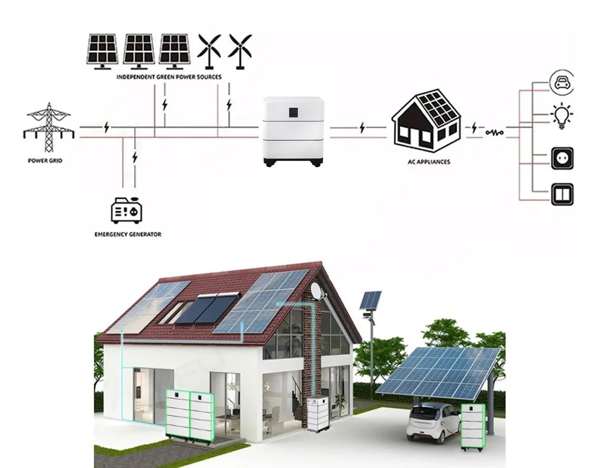
Integration is key for smart homes. Backup systems now work with other devices. They ensure power during outages. Smart homes can connect with solar panels. This helps in generating clean energy. Devices talk to each other through the Internet of Things. This makes homes safer and more efficient. Integration allows for seamless operation. Homes become smarter and more reliable.

Credit: medium.com
Frequently Asked Questions
Are Smart Home Systems Worth It?
Smart home systems enhance convenience, security, and energy efficiency. They offer remote control of devices via smartphones. Initial costs may be high, but long-term savings and improved quality of life often justify the investment. They are increasingly popular among homeowners seeking modern, efficient living solutions.
Can Smart Homes Be Set Up Through Wireless Or Wired Systems?
Smart homes can be set up using both wireless and wired systems. Wireless systems offer flexibility and easy installation. Wired systems provide stability and better security. Choose based on your needs and preferences. Both options enable seamless automation and control of your home environment.
How Much Does It Cost To Turn Your Home Into A Smart Home?
The cost of turning your home into a smart home varies. Basic setups start at around $500. More advanced systems, including security cameras and smart appliances, can cost several thousand dollars. Prices depend on device types, installation fees, and customization.
Plan your budget accordingly for a tailored smart home experience.
Do Smart Home Systems Increase Home Value?
Smart home systems can boost home value. Buyers appreciate modern technology and energy efficiency. Enhanced security features attract interest. Investing in smart technology often leads to higher resale value.
Conclusion
Home backup systems integrate well with smart homes. They offer peace of mind. Power outages can disrupt your smart devices. Backup systems help keep everything running smoothly. This protects your home technology. Reliable power is crucial for smart home efficiency.
Consider investing in a backup system. It ensures your smart home stays functional. Compatibility is key for seamless integration. Research and choose wisely. Smart homes deserve reliable support. Keep your home connected with a robust backup solution. It’s worth the investment for uninterrupted living.
Stay powered, stay smart.