
Are you wondering if home inspectors check your standby generator during an inspection? If you rely on a generator to keep your power running when the grid goes down, knowing whether it gets a thorough look is important.
You want to be sure your generator is safe, working properly, and ready when you need it most. This article will clear up any doubts you have and help you understand exactly what to expect during a home inspection. Keep reading to find out how standby generators fit into the home inspection process and what you should do to protect your investment.
Role Of Home Inspectors
Home inspectors check many parts of a house but often do not inspect standby generators. These generators usually need a special technician for a thorough check. Homebuyers should ask about the generator’s condition separately.
Standard Inspection Scope
Home inspectors check many parts of a house. They look at the roof, walls, floors, plumbing, and electrical systems. Their main goal is to find any problems that can affect safety and function. They do not test every device or appliance. Some special systems may be outside their usual check list.
Limitations In Electrical Systems
Inspectors can see visible wiring and outlets. They check for damage, loose wires, or bad connections. But they do not open panels or test all electrical devices. Complex systems like generators often need a specialist for a full check.
Experience With Generators
Many home inspectors have little training with standby generators. They may note if the generator looks old or damaged. Full operation tests or fuel system checks are usually done by generator experts. Inspectors focus mostly on safety and visible conditions.
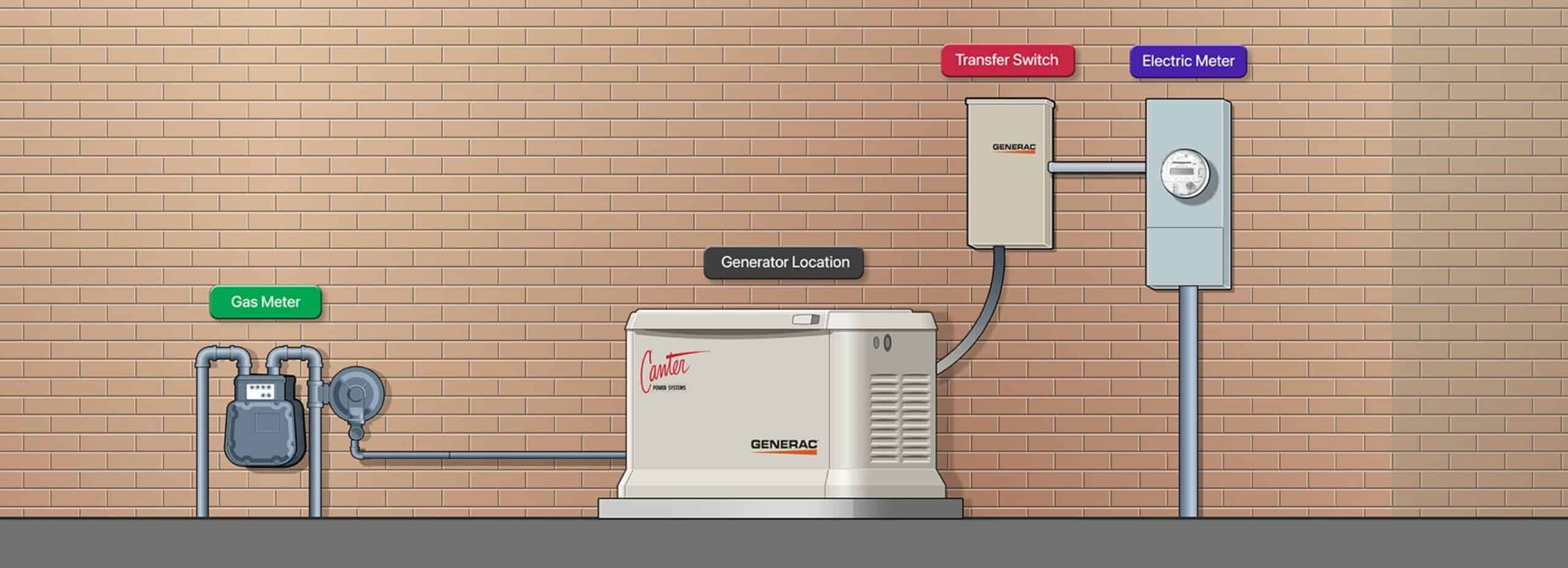
Credit: canterpowersystems.com
Standby Generator Basics
A standby generatorprovides backup power during outages. It turns on automatically when electricity fails. These generators keep homes running safely and comfortably.
There are two main typesof standby generators:
- Natural gasgenerators connect to your gas line for constant fuel.
- Propanegenerators use tanks and work where gas lines are unavailable.
Both types power essential appliances and systems. They ensure lights, refrigerators, and heaters stay on.
Standby generators need proper installation. This means correct placement for safety and easy fuel access. A licensed professional must handle wiring and permits.
Common issues include:
- Fuel leaks or blockages
- Battery problems
- Faulty automatic transfer switches
- Engine wear from lack of use
Inspection Of Standby Generators
Home inspectors check standby generatorsto ensure they work properly during power outages. They look at both electricaland mechanical partsfor any signs of damage or wear.
- Inspect the batteryand connectionsfor corrosion.
- Check the fuel systemfor leaks or blockages.
- Look at the control panelfor error codes or faults.
- Examine the engine oillevel and quality.
- Test the cooling systemand belts.
Testing the generator’s performance is key. Inspectors often run the generator to see if it starts easily and runs smoothly. They check the voltage outputand listen for unusual noises.
When Generators Are Excluded
Home inspectors often exclude standby generatorsfrom their checks. This is because generators need special knowledge and toolsto inspect. Some inspectors are not trained for this task. Insurance rules may also limit their inspection scope.
Skipping generator checks can lead to undetected problems. Faulty generators may fail during power outages. This can cause inconvenience and safety risks. Electrical fires or carbon monoxide leaks are possible dangers.
Homeowners must take extra stepsto keep generators safe. Regular maintenance and testingby qualified technicians is important. Reading the user manual and following manufacturer guidelineshelps prevent issues. Always verify the generator’s operating conditionbefore an emergency.
Specialized Generator Inspections
Standby generators need special checksbeyond regular home inspections. They require expertswith specific skills. These pros know how to test all parts of the generator.
Hiring generator expertsensures a thorough review. They look at the fuel system, battery, and electrical connections. They also test the generator under load to see if it works well.
The inspection processcovers:
- Checking fuel levels and fuel quality
- Testing automatic start-up and shut-down
- Inspecting wiring and circuit breakers
- Examining the cooling system
- Listening for unusual noises
Certificationshows the generator meets safety and performance rules. Regular maintenancekeeps the generator ready for power outages. This includes oil changes, filter replacements, and battery tests.

Credit: crowe-electric.com
Preparing For A Generator Inspection
Gather all manualsand service recordsrelated to the generator. These documents help inspectors understand the unit’s history and maintenance. Include warranty papers if available. Clear access to the generator is crucial for a smooth inspection. Remove any obstacles or debris around the unit. This allows the inspector to check all parts easily.
Prepare a list of questions to ask the inspector. For example:
- How often should the generator be serviced?
- Are there any common issues with this model?
- What signs show the generator needs repair?
- Can you explain the inspection report?
Cost And Frequency Of Inspections
Typical inspection fees for standby generators usually range from $100 to $300. The price depends on the size and type of the generator. Smaller units cost less to inspect than larger, more complex ones.
Recommended inspection intervals vary. Many experts suggest checking the generator once or twice a year. Regular inspections help find problems early and keep the generator ready for use.
Several factors influence costs:
- Generator size:Bigger units need more time and cost more.
- Location:Travel distance can add to the price.
- Inspection depth:Basic checks cost less than detailed tests.
- Service provider:Prices vary by company and region.

Credit: newlondonelectric.com
Frequently Asked Questions
Do Home Inspectors Check Standby Generators?
Home inspectors typically include standby generators in their inspection. They assess visible components for damage, installation, and operation. However, detailed generator evaluation may require a licensed electrician or specialist.
Are Standby Generators Part Of A Home Inspection?
Yes, standby generators are often part of a home inspection. Inspectors ensure they are properly installed and connected to the electrical system for safety.
Can Home Inspectors Test Standby Generator Functionality?
Home inspectors may perform a basic function test on standby generators. Full operational testing usually needs a professional with generator expertise.
Should I Hire A Specialist For Generator Inspection?
Hiring a generator specialist is recommended for detailed inspection. They can assess fuel systems, transfer switches, and electrical output accurately.
Conclusion
Home inspectors play a crucial role in property evaluation. They often examine standby generators. This ensures safety and functionality. Knowing your generator’s condition can prevent unexpected failures. Regular checks by experts help maintain your equipment. A well-functioning generator provides peace of mind during outages.
Understanding inspection processes empowers homeowners. It also aids in making informed decisions. Reliable inspections highlight potential issues early. This can save time and money. Always prioritize expert evaluations for your home’s systems. Your safety and comfort are worth it. Stay informed and prepared.